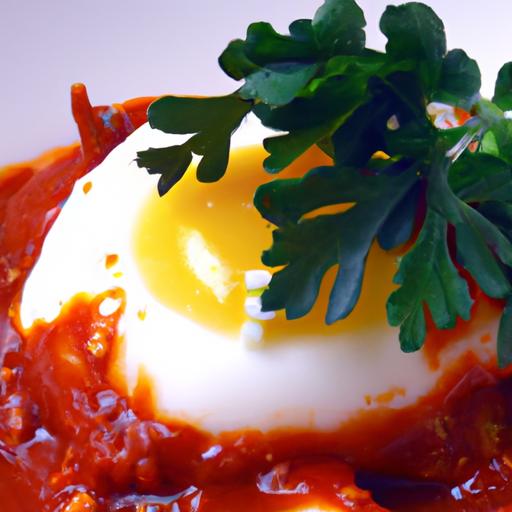





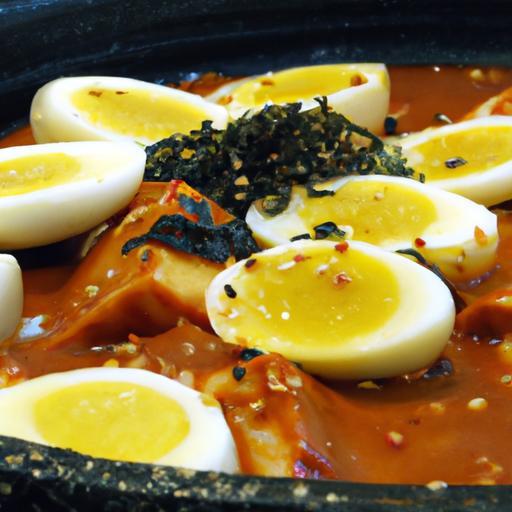

In the vibrant tapestry of Korean cuisine, few dishes capture the soul of home-cooked comfort like jangjorim – those glossy, soy-braised eggs that nestle in a savory symphony of flavors. More than just a side dish, jangjorim is a culinary secret passed down through generations, embodying patience, simplicity, and umami-rich magic. Unlocking the secrets behind this humble yet captivating concoction reveals not only the art of perfect braising but also a glimpse into Korea’s rich food heritage.Join us as we peel back the layers of jangjorim, exploring its history, techniques, and the subtle alchemy that transforms ordinary eggs into irresistible treasures.
Unlocking Jangjorim: The Secrets of braised Korean Eggs offers a culinary journey into a treasured Korean banchan, where tender soy-braised beef and perfectly marinated eggs come together in harmonious balance. Originating centuries ago as a royal court delicacy, Jangjorim’s enduring appeal lies in its rich, umami-soaked flavors and cultural significance as a communal dish, frequently enough gracing family tables during festive gatherings and everyday meals alike. Crafting this dish connects you with Korean heritage through each savory bite, making it not only a treat for the palate but also a gesture of hospitality and tradition.
Prep and Cook Time
- Readiness Time: 20 minutes
- Cooking Time: 1 hour 15 minutes
- Total Time: 1 hour 35 minutes
Yield
Serves 4 as a flavorful side dish
difficulty Level
Medium - requires gentle simmering and timing finesse for ideal texture
Ingredients
- 8 large eggs, at room temperature
- 200 grams lean beef brisket, cut into 1-inch strips
- 1/2 cup soy sauce (preferably Korean soy sauce for depth)
- 2 cups water
- 2 tablespoons dark brown sugar
- 4 cloves garlic, crushed
- 2 dried red chili peppers (optional, for a subtle heat)
- 1 tablespoon rice syrup or honey
- 1 small onion, peeled and halved
- 1 teaspoon Korean sesame oil
- 1 green onion, sliced (for garnish)
- 1 teaspoon toasted sesame seeds (optional garnish)
Instructions
- Soft boil the eggs. Gently place eggs in a pot of boiling water and cook for exactly 7 minutes for slightly jammy centers. Immediately transfer to an ice bath to halt cooking, then peel carefully. Set aside.
- Prepare the beef broth base. In a medium pot, combine lean beef brisket, soy sauce, water, brown sugar, garlic, dried chili peppers, and onion halves. Bring to a boil, then reduce to a low simmer, partially covered.
- Simmer gently for 50 minutes. Maintain a soft simmer to allow the beef to tenderize slowly and infuse the broth with deep, savory notes. Skim any foam that forms on top to clarify the broth.
- Add peeled eggs and rice syrup. gently nestle the eggs into the simmering broth and drizzle rice syrup over the surface. Cover and braise for an additional 15 minutes to absorb vibrant soy-braised flavor.
- Finish with sesame oil. Remove from heat and stir in Korean sesame oil for a luscious, nutty aroma.
- Remove beef and slice thinly. Take out the beef brisket, slice it into delicate strips, and return to the pot for a minute just to rewarm.
- Plate artistically. arrange sliced beef and eggs on a serving dish, spooning over some braising liquid to coat beautifully.
- Garnish and serve. Top with sliced green onions and a sprinkle of toasted sesame seeds for contrast and texture.
Tips for Success: Mastering the Perfect Soy-Braised Flavor Profile
- Precision timing with eggs ensures a glossy, tender bite that contrasts beautifully with the savory meat.
- Choose a lean,well-marbled brisket or beef shank to achieve a balance of tenderness and flavor without greasiness.
- Using dark Korean soy sauce enriches the color and umami depth-avoid lighter soy sauces, which can make the dish pale in flavor.
- Simmer low and slow; high heat will toughen the beef and cloud the broth.
- Remove foam as needed to keep your broth crystal clear and radiant in flavor.
- Marinate leftovers overnight in the braise to deepen the flavor further; Jangjorim tastes even better the next day.
Selecting the Ideal ingredients to Elevate Your Korean Braised Eggs
opting for fresh eggs and the right cut of beef is pivotal. Fresh eggs yield an impeccably smooth shell and white, making peeling effortless and presentation immaculate. Simultaneously occurring, Korean soy sauce varieties add sophisticated umami levels that transform simple ingredients into a symphony of flavor. Incorporate natural sweeteners like rice syrup to balance saltiness without overpowering with sugar. Lastly, aromatic garnishes such as green onions and toasted sesame seeds provide that final touch of authenticity and vibrancy.
Serving Suggestions
Present your Jangjorim in a shallow ceramic bowl or lacquered dish to honor Korean traditional aesthetics.Pair it with steamed white rice and an array of crisp kimchi varieties for a harmonious, textural meal. Add pickled radishes on the side to cut through the richness. For an eye-catching flourish, sprinkle edible chrysanthemum petals or a few thinly sliced fresh chili peppers. This makes the dish not just a flavor sensation but a feast for the eyes.

| Nutrient | Per Serving |
|---|---|
| Calories | 210 kcal |
| Protein | 22 g |
| Carbohydrates | 6 g |
| Fat | 10 g |
For an immersive venture into Korean cuisine, consider exploring this Korean seaweed salad recipe to complement your Jangjorim perfectly. Also, deepen your understanding of soy sauce’s cultural impact from Smithsonian Magazine’s expert insights.
Q&A
Q&A: Unlocking Jangjorim – The Secrets of Braised Korean Eggs
Q1: What is Jangjorim and why is it so beloved in Korean cuisine?
A1: Jangjorim is a classic korean side dish featuring tender braised beef and soy-braised eggs simmered to savory perfection. It’s beloved for its deep umami flavors, delightful chewy texture, and the comforting way it elevates simple ingredients. Frequently enough enjoyed as a banchan (side dish), it pairs beautifully with a bowl of steaming rice, making it a staple in many Korean households.
Q2: How do the eggs get that unique flavor and texture in Jangjorim?
A2: The eggs in Jangjorim absorb the rich,savory braising liquid slowly over time,turning their whites brown and infusing them with a slightly sweet,salty,and earthy flavor. The yolks remain creamy yet firm, creating a perfect balance of taste and texture that sets this dish apart from a simple boiled egg.
Q3: What ingredients make the braising liquid of Jangjorim so distinctive?
A3: The magic lies in a harmonious blend of soy sauce, garlic, ginger, scallions, and a touch of sweetness from sugar or honey. These ingredients combine to create a braising liquid rich in umami, perfectly balancing salty, sweet, and aromatic notes to nurture both the beef and eggs.
Q4: Is the beef an essential component in Jangjorim? Can the dish be made without it?
A4: While the beef adds a hearty depth and extra savoriness to the dish, the star of Jangjorim is truly the soy-braised egg. Variations exist where eggs are braised alone or with mushrooms or tofu to maintain richness.Though, traditional Jangjorim’s soul comes from the interplay of tender beef and flavorful eggs.
Q5: How long should you braise the eggs and beef to achieve the ideal flavor?
A5: Patience is key.Typically, the beef and eggs braise gently for about 1 to 2 hours over low heat, allowing the flavors to deeply penetrate.after cooking, many recommend letting the dish rest in the braising liquid overnight in the refrigerator, intensifying the taste and giving the eggs that signature dark sheen.
Q6: Can Jangjorim be made ahead of time, and how should it be stored?
A6: Absolutely! Jangjorim actually improves with time, making it a perfect make-ahead dish. Store it in an airtight container in the refrigerator for up to a week. Simply warm it slightly before serving, or enjoy it cold as a refreshing banchan.Q7: Are there any creative twists people can try while keeping the authentic spirit of Jangjorim?
A7: For a modern touch, some add shiitake mushrooms or lotus root slices into the braise for extra texture and earthiness. Others play with gentle spice by including slices of mild chili or a splash of sesame oil after cooking. Whatever the twist, the essence of Jangjorim-soft soy-braised eggs with a comforting, savory broth-remains the heart of the dish.
Q8: What are the best ways to enjoy Jangjorim beyond simply eating it with rice?
A8: Jangjorim is surprisingly versatile. Try it as a flavorful topping for bibimbap, tuck the eggs into kimbap rolls, or add the beef and eggs as a hearty side in a lunchbox. Even crumbled into warm noodles, Jangjorim’s deep flavors add an irresistible savory note.
Q9: How does Jangjorim reflect Korean culinary philosophy?
A9: jangjorim embodies the Korean ideals of balance,preservation,and harmony. It transforms humble eggs and beef into a dish rich in flavor and texture, preserving ingredients through braising and soy sauce.its simplicity combined with depth of taste showcases the thoughtful layering that Korean cuisine is celebrated for.
Whether you’re a curious culinary explorer or a devoted fan of Korean flavors, mastering Jangjorim opens a door to rich heritage and flavorful finding-one braised egg at a time.
the Conclusion
As the simmering broth seeps deep into each delicate egg, jangjorim reveals itself not just as a dish, but as a culinary story-one of rich tradition, careful technique, and the simple joy of comforting flavors. Unlocking the secrets behind these braised Korean eggs invites you to experience a bite of Korea’s kitchen heritage, where patience and balance transform humble ingredients into something extraordinary. So next time you savor jangjorim, remember: beneath its glossy exterior lies a tapestry of culture and craft waiting to be savored with every tender mouthful.