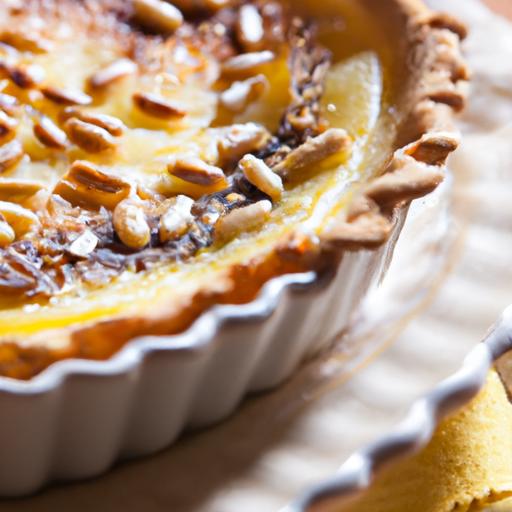



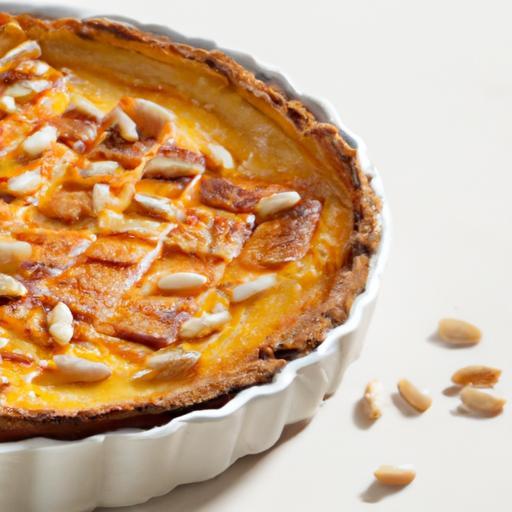

In the heart of Italy’s rich culinary tapestry lies a dessert that whispers tales of family gatherings, sun-drenched kitchens, and timeless tradition: the Torta della Nonna. Translating to “Grandmother’s Cake,” this classic custard tart is more than just a sweet treat-it’s a comforting embrace from generations past. With its golden, flaky crust cradling a velvety custard filling, crowned delicately by a sprinkling of toasted pine nuts and a dusting of powdered sugar, Torta della Nonna is a harmonious blend of textures and flavors that captures the essence of Italian home cooking. Journey with us as we explore the origins, ingredients, and enduring charm of this beloved dessert that continues to grace tables across Italy and beyond.
Torta della Nonna is a beloved Italian custard tart that immediately conjures images of sunny Tuscany and cherished family gatherings. This classic dessert, with its golden, crumbly pastry filled with silky, vanilla-infused custard and crowned with toasty pine nuts, captures the essence of customary Italian homestyle baking. Known for its delicate balance of textures and flavors, this tart is a testament to the art of simple ingredients transformed into unforgettable comfort food.
Prep and Cook Time
- Preparation: 25 minutes
- chilling: 1 hour
- Cooking: 40 minutes
- Total Time: Approximately 2 hours
Yield
Serves 8 generous slices
Difficulty Level
Medium – perfect for home bakers with some experience in pastry and custard making
Ingredients
- For the pastry:
- 1 ¾ cups all-purpose flour, sifted
- ⅓ cup granulated sugar
- 1 large egg
- ½ cup unsalted butter, cold and cubed
- Pinch of salt
- 1 teaspoon pure vanilla extract
- for the custard filling:
- 2 ½ cups whole milk
- 5 large egg yolks
- ⅔ cup granulated sugar
- ⅓ cup all-purpose flour
- 1 vanilla bean, split and scraped (or 2 teaspoons pure vanilla extract)
- Topping:
- ½ cup pine nuts, toasted lightly
- Powdered sugar, for dusting
Instructions
- Prepare the pastry: In a large bowl, combine the sifted flour, sugar, and salt. Add the cold, cubed butter. Using your fingertips or a pastry blender, work the butter into the flour until the mixture resembles coarse crumbs. Add the egg and vanilla extract, mixing gently to form a smooth dough. wrap in plastic and chill for at least 1 hour.
- make the custard: In a medium saucepan, heat the milk with the scraped seeds and pod of the vanilla bean over medium heat until it just begins to simmer. Remove the pod. In a separate bowl, whisk together the egg yolks, sugar, and flour until smooth.
- Temper the eggs: Slowly pour a small amount of the hot milk into the egg mixture while whisking constantly. Gradually incorporate the rest of the milk, then return everything to the saucepan.
- Cook the custard: Cook on low heat, stirring constantly with a wooden spoon or silicone spatula. Continue until the mixture thickens to a pudding-like consistency, about 8-10 minutes.Remove from heat and let it cool slightly, covering with plastic wrap directly on the surface to prevent a skin from forming.
- Assemble the tart: Preheat your oven to 350°F (175°C). roll out two-thirds of the pastry on a lightly floured surface to line a 9-inch tart pan with a removable base. Trim the edges neatly.
- Add the custard: Pour the cooled custard into the pastry shell, smoothing the top with a spatula.
- Top and seal: Roll out the remaining pastry dough and cover the custard, pinching the edges to seal.Prick the top with a fork to allow steam to escape.
- Add pine nuts: Generously sprinkle the toasted pine nuts over the pastry top, gently pressing them in.
- Bake: Place the tart on a middle rack and bake for 35-40 minutes until the crust is golden and the pine nuts are toasted. Rotate halfway through baking for even color.
- Cool and serve: Let the tart cool completely before removing from the pan. Dust with powdered sugar just before serving for a classic touch.
Tips for Success
- Choosing pine nuts: Opt for fresh, light-colored pine nuts that are not bitter. Toast them gently in a dry pan over medium-low heat until golden and fragrant to maximize their flavor without overpowering the custard.
- Pastry precision: Keep the butter very cold when making the dough to ensure a flaky, tender crust. Avoid overworking the dough to prevent toughness.
- custard care: Stir constantly and use low heat to avoid lumps or curdling. If your custard thickens too much, whisk in a splash of milk to loosen it.
- Make-ahead option: The tart can be refrigerated for up to 24 hours before serving; warm slightly before enjoying to enhance the custard’s creaminess.
- Variations: For a subtle twist, add a hint of lemon zest to your custard or substitute half the all-purpose flour with cornstarch for an even silkier texture.
Serving Suggestions
Present your Torta della Nonna with a light dusting of powdered sugar and a small bowl of freshly whipped cream or a dollop of mascarpone on the side. pair with a fresh cup of espresso or a fragrant herbal tea to enhance this delicate experience. Garnish with a few toasted pine nuts and a sprig of fresh mint for an elegant finish.
| Nutritional Info (per slice) | Calories | Protein | Carbs | Fat |
|---|---|---|---|---|
| Torta della Nonna | 320 kcal | 6g | 38g | 15g |
Explore more classic Italian custard desserts for delightful inspiration. For a deeper dive into pine nuts’ culinary uses, visit Britannica’s guide to pine nuts.

Q&A
Q&A: Torta della Nonna – Italy’s Classic Custard Tart with Pine Nuts
Q1: What exactly is Torta della Nonna?
A: torta della Nonna, translating to “Grandmother’s Cake,” is a cherished Italian dessert featuring a crisp, buttery pastry shell filled with rich, velvety custard and topped generously with toasted pine nuts and a dusting of powdered sugar. It’s a nostalgic treat that embodies the warmth of homemade comfort and traditional Italian baking.
Q2: Where does Torta della Nonna originate from in Italy?
A: Although beloved throughout Italy, Torta della Nonna is often associated with Tuscany and central Italy.It’s a dessert steeped in rustic charm, believed to have been perfected in family kitchens where grandmothers handed down their secret custard recipes through generations.
Q3: What makes the custard in Torta della Nonna so special?
A: The custard is the heart of the tart-a silky, sweet blend usually made from eggs, sugar, milk, and flavored with a hint of lemon zest and vanilla. Its creamy texture contrasts beautifully with the crunchy pine nut topping, creating a delightful balance in every bite.
Q4: Why pine nuts? What do they add to the tart?
A: Pine nuts are not just a decorative touch; they lend a subtle nuttiness and a crunchy texture that enhances the custard’s smoothness. Their gentle, buttery flavor complements the sweetness without overpowering it, making pine nuts an essential hallmark of Torta della Nonna.
Q5: Can Torta della Nonna be made ahead of time?
A: Absolutely! This tart benefits from a little resting time to allow the custard to set perfectly. It can be prepared a day in advance and stored in the refrigerator. Just be sure to add the toasted pine nuts and powdered sugar topping shortly before serving to keep that pristine crunch and visual appeal.
Q6: Are there common variations of this traditional tart?
A: While the classic recipe is beloved for its simplicity, some bakers add a layer of lemon marmalade or infuse the custard with a sprinkle of cinnamon to add a unique twist. However, the essence remains the same: a custard-filled tart crowned with pine nuts and powdered sugar.
Q7: What occasion is Torta della Nonna best suited for?
A: This tart suits any occasion – from a cozy family dessert to a centerpiece at festive gatherings. Its comforting flavors and elegant presentation make it perfect for serving after a hearty meal or alongside a cup of freshly brewed Italian coffee.
Q8: Is Torta della Nonna gluten-free or can it be adapted?
A: Traditionally,Torta della nonna uses a wheat-based shortcrust pastry,but gluten-free flour blends can be used to create a similar texture. The custard and pine nuts naturally contain no gluten, making this adaptation possible for those with gluten sensitivities.
Q9: How tough is it to bake torta della Nonna at home?
A: While it requires some patience-mainly waiting for the custard to cool-torta della Nonna is quite approachable for home bakers. Success lies in a well-made shortcrust pastry that holds the luscious custard without sogginess, and the perfect timing to toast pine nuts just before topping.
Q10: What is the best way to serve Torta della Nonna?
A: Serve Torta della Nonna slightly chilled or at room temperature. Pair it with a simple accompaniment such as fresh berries or a light dusting of extra powdered sugar. Its evocative flavors provide all the elegance needed, without any complex additions.
Torta della Nonna remains a timeless symbol of italian home baking-simple ingredients, lovingly combined to create a dessert that’s both humble and exquisite. Its custard softness, golden pine nuts, and flaky crust form a harmonious trio deserving a place on any dessert table. Buon appetito!
Future Outlook
In the tapestry of Italian desserts,Torta della Nonna stands as a timeless thread weaving together simplicity,tradition,and flavor. With its delicate custard nestled beneath a golden crust and crowned by a scattering of toasted pine nuts, this classic tart tells a story as rich as the heritage it comes from. Whether enjoyed in a bustling Roman café or recreated lovingly in your own kitchen, Torta della Nonna invites you to savor a sweet slice of Italy’s culinary heart-proof that sometiems, the most unassuming recipes hold the deepest treasures. So next time you crave a dessert that’s both comforting and classic, let this custard tart be your flavorful passport to la dolce vita.