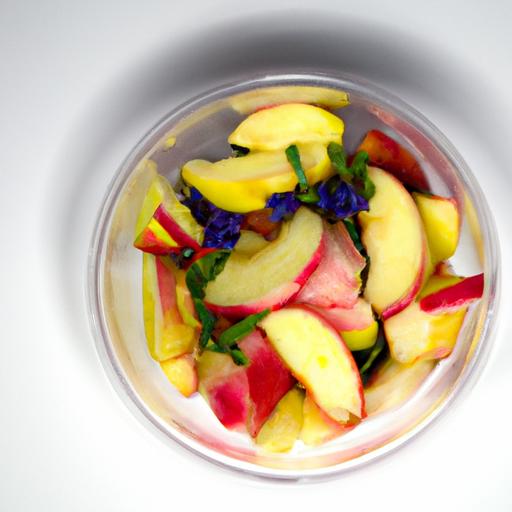





In the world of culinary artistry,the smallest details often make the biggest impact. Enter the vibrant, flavorful world of dehydrated fruit dust-a sprinkle of magic that transforms ordinary dishes into extraordinary creations. More than just a colorful garnish, this fine powder captures the essence of ripe fruits in a concentrated burst, adding not only visual appeal but also layers of nuanced taste and aroma. Whether dusted atop desserts, stirred into beverages, or used to elevate savory plates, dehydrated fruit dust offers chefs and home cooks alike a playful yet powerful finishing touch. Join us as we explore the enchanting possibilities of this natural ingredient and discover how a simple sprinkle can infuse your dishes with a burst of flavor and a dash of artistry.
Choosing the Perfect Fruit Dust for Different Culinary Creations
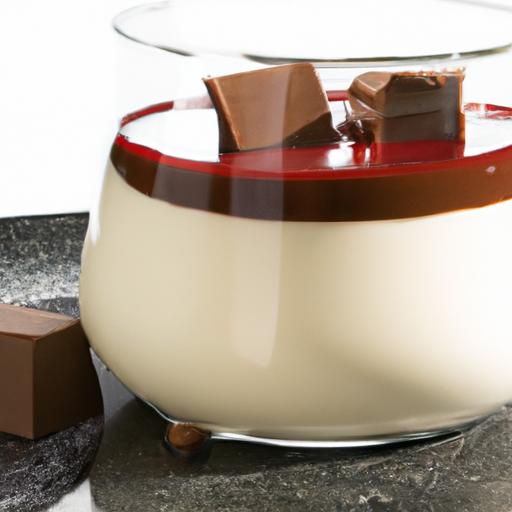
Sprinkle Magic: Using Dehydrated Fruit Dust for Finishing Touches unlocks an extraordinary realm in culinary artistry, where a simple pinch transforms a dish into a masterpiece. Selecting the ideal fruit dust involves harmonizing flavor profiles and visual accents with your creation. For rich chocolate desserts, tangy raspberry or vibrant passion fruit dusts provide a striking contrast both in color and taste. Citrus-based dishes call for zesty lemon or orange dusts that amplify brightness without overpowering subtleties. When working with creamy or mild-flavored delicacies like panna cotta or cheesecake, opt for subtle strawberry or mango dust, adding a playful fruity note and a pop of color.
Prep and Cook Time
- Readiness: 10 minutes
- Cook Time: 0 minutes (fruit dust applications)
- Total Time: 10 minutes
Yield
Enough fruit dust to finish 8-10 plated desserts or savory dishes
Difficulty Level
Easy – Perfect for home cooks and professionals looking to elevate presentation with minimal effort
Ingredients
- 1/4 cup freeze-dried raspberry powder (ground into fine dust)
- 1/4 cup dehydrated mango powder
- 1/4 cup lemon zest powder (finely ground)
- 1/4 cup dried blueberry powder (sifted to avoid clumping)
- Assorted edible flowers and microgreens (for complementary garnish)
Techniques for Applying Fruit dust to Maximize Visual Appeal
- Layered Sprinkling: Use a fine-mesh sieve to dust fruit powders gently over desserts or plated items. This creates an even,delicate veil of color and flavor.
- stencil Artistry: Place custom stencils or doilies over your dish and dust fruit powder to craft exquisite patterns – imagine raspberry dust forming floral shapes on panna cotta.
- Wet Brush Highlighting: Lightly moisten a fine paintbrush with water, dip it into fruit dust, and paint accents or brush strokes onto plates or pastry surfaces for artistic flair.
- Dual-Tone Contrasts: Combine two contrasting fruit dusts-such as lemon and blueberry-applied side-by-side or overlapping to elevate the plating’s vibrancy.
- Edible Smudging: After dusting a line of fruit powder,gently smudge with a damp finger or brush to create a watercolor effect,blending flavors and colors subtly.
Innovative Recipes Showcasing Fruit Dust as a Finishing Touch
- Raspberry-Dusted Dark Chocolate Truffles – Roll hand-formed truffles lightly in raspberry fruit dust for a tangy pop and vivid red hue that electrifies their rich interior.
- Lemon Mango Pavlova – After baking meringue shells, sprinkle lemon zest dust across the peaks, then layer with whipped cream and mango dust for bursts of tropical sunshine.
- Blueberry & Citrus Ricotta Toast – Spread fresh ricotta on toasted sourdough, dust blueberry powder and a pinch of lemon dust, finishing with a drizzle of honey and microgreens for a fresh brunch hit.
- Fruit-Dusted Goat Cheese Salad – Crumble goat cheese over mixed greens and dust with mango and raspberry powders to contrast earthiness with lively sweetness in every bite.
- Exotic Fruit Sorbet Bowls – Scoop sorbets (passion fruit, mango, or lemon) and sprinkle with complementary fruit dust that accentuates their flavor and imparts a dazzling finish.
Instructions for Using Fruit Dust
- Prepare Your Surface: Ensure desserts or dishes are cool and dry to encourage fruit dust adherence.
- Sift Your Dust: Use a fine sieve or tea strainer to evenly distribute the fruit powder over your dish.
- Apply Gently: Hold the sieve 4-6 inches above the item and tap lightly to create an even layer.
- Experiment with Stencils: Place a stencil on the plate or food surface, dust over it, then carefully lift to reveal striking patterns.
- Finish with Garnish: Add edible flowers, fresh herbs, or microgreens nearby to complement the fruit dust colors and textures.
Chef’s Notes & Tips for Success
- Storage: Keep fruit dust in airtight containers away from moisture to maintain vibrancy and prevent clumping.
- Substitution: Try other dehydrated fruits like strawberry, blackberry, or pineapple powders for seasonal variations.
- Make-Ahead: Prepare your stenciled fruit dust designs on parchment and gently transfer them onto plated items for precision service.
- Troubleshooting: If dust clumps, lightly pulse in a dry spice grinder to restore powder consistency.
- Flavor Pairing: Choose fruit dusts that complement your base flavors, avoiding overpowering combinations.
Serving Suggestions
imagine presenting a simple vanilla panna cotta dusted with lively raspberry powder, alongside a drizzle of glossy fruit coulis and scattered edible violet petals. Or a savory goat cheese salad subtly enhanced with mango dust and surprise bursts of tartness from micro-herbs. The key is simple elegance – less is frequently enough more when sprinkling fruit dust. Use it as a vibrant punctuation mark on plating, instantly elevating the sensory experience.

| Nutrient | Per 1 tsp Fruit Dust |
|---|---|
| Calories | 10 kcal |
| Protein | 0.2 g |
| Carbohydrates | 2.3 g |
| Fat | 0 g |
for more creative ways to use dried fruit powders and elevate your dishes, explore our in-depth guide. To learn more about the science and health benefits of dehydrated fruit powders, visit Nutrition.org.
Q&A
Q&A: Sprinkle Magic – Using Dehydrated Fruit Dust for Finishing Touches
Q1: What exactly is dehydrated fruit dust?
A1: Dehydrated fruit dust is the fine,powdery residue made by grinding dried fruits into a vibrant,flavorful powder.It carries the essence and natural sweetness of the fruit without any moisture, making it a versatile and shelf-stable ingredient for finishing dishes.
Q2: How does fruit dust elevate a dish?
A2: Fruit dust adds a burst of pure fruit flavor, concentrated color, and an artistic flair. When sprinkled on top of desserts,salads,or even savory dishes,it creates a visually stunning finish and a subtle layer of complexity,frequently enough introducing unexpected notes of tartness,sweetness,or earthiness.
Q3: Which fruits work best for making dehydrated dust?
A3: Almost any fruit can be transformed into dust, but berries (like raspberry, blueberry, and strawberry), tropical fruits (such as mango and pineapple), and stone fruits (like peach and cherry) are especially popular. Each brings its own unique hue and punch of flavor, making it fun to experiment.
Q4: Can dehydrated fruit dust be used on savory dishes?
A4: Absolutely! While it’s a natural fit for sweets, fruit dust also complements savory creations by adding brightness or a hint of acidity. Try sprinkling a tart cranberry or sour cherry dust on roasted vegetables, creamy cheeses, or grilled chicken for an unexpected, delicious twist.
Q5: how should fruit dust be applied for the best effect?
A5: Lightly sprinkle the dust over your dish just before serving to maintain vibrant color and fresh flavor. Use fine mesh sieves, small shakers, or even your fingertips for controlled application. Layering multiple dusts can create beautiful ombré or speckled effects.
Q6: are there any storage tips to keep fruit dust fresh?
A6: Keep your fruit dust in an airtight container, away from heat and moisture.Stored properly, it can last for months without losing its flavor or color. For best quality, avoid exposure to direct sunlight and consider refrigeration in very humid environments.
Q7: Can fruit dust be mixed into drinks or batters?
A7: Yes! Fruit dust easily dissolves in liquids and can infuse flavor and color in cocktails, smoothies, or frostings. Stir it into pancake or muffin batters for a natural fruity boost and a pop of color that’s more vibrant than extracts or artificial dyes.Q8: what makes dehydrated fruit dust different from fruit powders or freeze-dried fruit?
A8: While these terms are sometimes used interchangeably, dehydrated fruit dust is typically made by finely grinding dried fruit to a silky, free-flowing powder that enhances texture and visual appeal. Freeze-dried fruit retains more of the whole fruit’s shape and crunch, and some fruit powders may have added sugars or fillers.
Q9: Is fruit dust suitable for people with dietary restrictions?
A9: Generally, yes! Fruit dust is naturally gluten-free, vegan, and free from common allergens when pure. Just be sure to check the label if you purchase pre-packaged dusts, as some might include additives or come from facilities handling allergens.
Q10: How can I start making my own fruit dust at home?
A10: Start by drying your favorite fruits using a food dehydrator or oven on low heat until completely crisp. Once dried, blitz them in a spice grinder or high-powered blender until superfine. Sift to remove any larger bits, then store in an airtight container and voilà-your sprinkle magic is ready!
Wrapping Up
As the final flourish on your culinary canvas, dehydrated fruit dust transforms ordinary dishes into vibrant celebrations of flavor and color. Whether dusted atop decadent desserts, woven into cocktails, or sparingly scattered over savory bites, these tiny bursts of concentrated essence elevate your creations with effortless charm. Embracing sprinkle magic with dehydrated fruit dust invites both home cooks and professional chefs alike to explore new dimensions of taste and aesthetics-proving that sometimes, it’s the smallest details that leave the most unforgettable impressions. So next time you seek that perfect finishing touch, reach for a pinch of fruit dust and watch your dishes come alive with a sprinkle of edible enchantment.