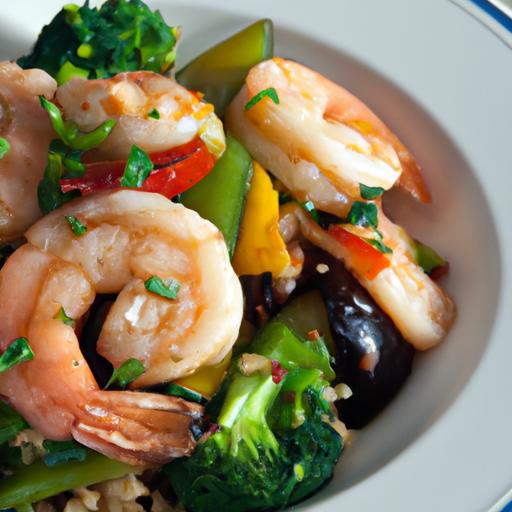


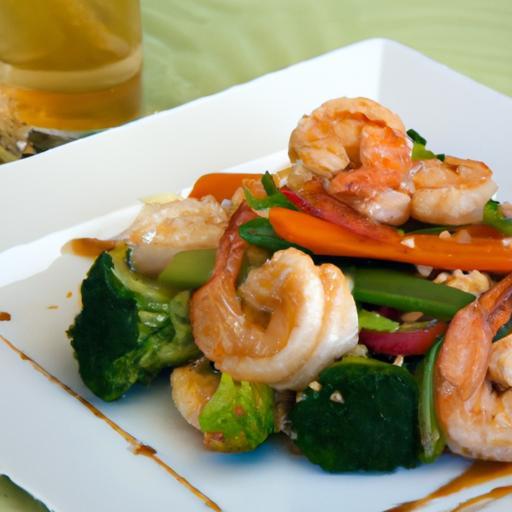

There’s something undeniably captivating about the sizzle of shrimp hitting a hot wok-the burst of aroma, the crackle of high heat, and the vibrant dance of colors as fresh vegetables tumble and mingle. Shrimp stir fry is more than just a rapid weeknight dinner; it’s a culinary art that balances texture, flavor, and technique in a single, harmonious dish. Whether you’re a seasoned cook or a kitchen novice, mastering the art of shrimp stir fry opens the door to endless creativity and effortless elegance. In this article, we’ll dive into the secrets of perfecting this favorite dish-from selecting the freshest shrimp to crafting the ideal sauce-so you can bring restaurant-quality sizzle and flavor straight to your own table.
Choosing the Perfect Shrimp and Fresh Ingredients for Maximum flavor
Mastering the art of shrimp stir fry begins with selecting the freshest shrimp and vibrant ingredients to build a dish bursting with flavor and texture. The ideal shrimp for this recipe are large, wild-caught, deveined, and peeled, allowing their natural sweetness to shine through without overwhelming the delicate balance of your stir fry.Opting for raw shrimp ensures they cook evenly and retain that satisfying bounce after a quick sizzle. Avoid pre-cooked shrimp as they tend to become rubbery when tossed in a hot wok.
Equally meaningful are the vegetables: choose crisp, bright-colored varieties like bell peppers, snap peas, and carrots for a delightful crunch and appealing visual contrast.Fresh green onions,garlic,and ginger form an aromatic foundation,elevating each bite with layers of zest and warmth. Remember, quality ingredients create a symphony of textures and aromas that no heavy sauce can mask – the freshest produce promises maximum flavor.
Essential techniques for Achieving the Perfect Stir Fry Sizzle
The secret to a perfect shrimp stir fry isn’t just the ingredients but the technique. Achieving a signature sizzle requires a super-hot pan-ideally a wok or large skillet-that lets you sear shrimp quickly, locking in moisture and flavor. Begin by heating oil with a high smoke point such as grapeseed or peanut oil until it shimmers. This intense heat creates the mouthwatering “wok hei,” a smoky char that whispers authenticity in every bite.
Manage cooking times carefully: shrimp take only 2-3 minutes to turn opaque and curl tightly, so add them last to avoid overcooking. Stir your vegetables briskly but gently, maintaining their crispness and vibrant color. Keep your spatula moving in quick, steady folds while letting ingredients kiss the pan’s surface, delivering bursts of caramelization and a satisfying crunch.
Balancing Sauces and Spices to Elevate Your Shrimp Stir Fry
Create a harmonious sauce that complements without overpowering. A balanced blend of umami, sweetness, acidity, and heat transforms the dish into a memorable culinary experience. Use tamari or low-sodium soy sauce for depth, balanced by a hint of brown sugar or honey to soften those edges. Brighten the mix with a splash of rice vinegar or fresh lime juice for acidity, while fresh chili flakes or a drizzle of chili garlic sauce add an exciting kick.
Don’t forget the aromatic angle: ginger and garlic must be finely minced and cooked just until fragrant, infusing every morsel with a subtle warmth. For extra dimension, a splash of toasted sesame oil at the end provides a nutty aroma that lingers beautifully.
presentation Tips to Transform Your Dish from Kitchen to Table
The finished dish deserves just as much attention as its creation. Serve your shrimp stir fry on a pristine white plate or a rustic wooden board to let colors pop vibrantly. Garnish with finely sliced green onions, a sprinkle of toasted sesame seeds, or freshly chopped cilantro leaves to add layers of texture and freshness.
For visual appeal, consider arranging the shrimp and vegetables in a semi-circle with a nest of steamed jasmine rice or crunchy quinoa off to the side. A wedge of lime placed on the plate invites guests to add their own zesty brightness. Capture the irresistible sizzle with a final drizzle of sauce and a quick toss right before serving-this keeps everything glistening and alive with flavor and movement.
Prep and Cook Time
- Planning: 15 minutes
- Cooking: 10 minutes
- Total: 25 minutes
Yield
Serves 4 generously.
Difficulty Level
Easy to Medium - perfect for home cooks eager to impress with minimal fuss.
Ingredients
- 1 lb large raw shrimp, peeled and deveined
- 2 tablespoons grapeseed oil (or other high-smoke point oil)
- 1 red bell pepper, thinly sliced
- 1 cup snap peas, trimmed
- 1 medium carrot, julienned
- 3 green onions, thinly sliced (separate white and green parts)
- 3 cloves garlic, minced
- 1 tablespoon fresh ginger, finely grated
- 2 tablespoons low-sodium soy sauce or tamari
- 1 tablespoon rice vinegar
- 1 teaspoon brown sugar or honey
- 1/2 teaspoon crushed red pepper flakes (adjust to taste)
- 1 teaspoon toasted sesame oil
- Toasted sesame seeds, for garnish
- Fresh cilantro, roughly chopped (optional)
- Steamed jasmine rice or quinoa, for serving
Instructions
- Prepare all ingredients by slicing vegetables uniformly to ensure even cooking; pat shrimp dry with paper towels to encourage proper searing.
- Heat grapeseed oil in a wok or large skillet over high heat until shimmering but not smoking.
- Add the white parts of green onions, garlic, and ginger, sauté for about 30 seconds until aromatic but not browned.
- Toss in bell peppers, snap peas, and carrots, stir-frying briskly for 2-3 minutes until they just start to soften but retain vibrant color and crunch.
- push veggies to the side, add the shrimp, spreading in a single layer. Allow shrimp to cook undisturbed for 1 minute until edges begin to turn pink, then toss and stir for another 1-2 minutes until fully opaque and curled.
- Mix soy sauce, rice vinegar, brown sugar, and red pepper flakes in a small bowl; pour over shrimp and vegetables.
- Stir-fry everything together for 30 seconds more, letting sauce cling and caramelize slightly.
- Remove from heat, drizzle toasted sesame oil evenly, and give a final gentle toss.
- Serve promptly with steamed jasmine rice or quinoa, garnished with green parts of onions, toasted sesame seeds, and cilantro if using.
Tips for Success
- Patting shrimp dry prevents steaming and helps develop that coveted crispy edge.
- Prep all ingredients before heating the pan-stir fry moves quickly, and timing is essential.
- If you prefer milder heat, reduce or omit red pepper flakes; for a smoky depth, add a dash of smoked paprika.
- Leftover stir fry keeps well for up to two days in the refrigerator and reheats beautifully in a hot skillet.
- Try swapping snap peas with snow peas or broccoli florets for variation without losing crunch.
serving Suggestions
Pair this vibrant shrimp stir fry with a side of fragrant jasmine rice or quinoa to soak up every last drop of the sauce.For a touch of freshness, offer lime wedges on the table, allowing diners to add a bright citrus zing. A crisp cucumber salad or quick pickled radishes complement the dish’s bold flavors and offer a satisfying contrast.Encourage guests to top their bowls with extra toasted sesame seeds and fresh herbs to personalize each bite visually and texturally.
| nutrient | Per Serving |
|---|---|
| Calories | 280 kcal |
| Protein | 30 g |
| Carbohydrates | 14 g |
| Fat | 9 g |

This dish pairs wonderfully with other Asian-inspired recipes such as our Crispy Tofu Bowl. For more nutritious inspiration and ingredient details, visit Healthline’s Shrimp Nutrition Guide.
Q&A
Q&A: Sizzle and Serve – Mastering the Art of Shrimp Stir Fry
Q1: What makes shrimp stir fry such a popular dish in home cooking?
Shrimp stir fry perfectly balances speed, flavor, and nutrition, making it a go-to for busy cooks. Shrimp cooks quickly,absorbing vibrant sauces and crisp veggies without getting rubbery. The sizzle of fresh ingredients hitting the hot wok adds a sensory thrill that makes cooking as enjoyable as eating.
Q2: How can I prevent shrimp from becoming rubbery or overcooked during stir frying?
Timing is everything! Shrimp only need a few minutes in a hot pan-about 2 to 3 minutes per side, until they turn pink and curl slightly. High heat and constant movement ensure they cook evenly without toughening up. Be sure to add them near the end of your stir fry process to avoid overcooking.
Q3: What vegetables work best with shrimp in a stir fry?
Crisp, colorful veggies add texture and freshness that complement shrimp beautifully. Think bell peppers, snap peas, baby corn, broccoli florets, julienned carrots, and water chestnuts. These vegetables retain a pleasant crunch and soak up the savory sauce, creating a symphony of flavors and textures.
Q4: What sauces and seasonings can elevate a shrimp stir fry?
A masterful stir fry sauce balances salty, sweet, tangy, and umami notes. Classic players include soy sauce, garlic, ginger, a touch of sesame oil, and a hint of sweetness from honey or brown sugar. For a zesty kick,add chili flakes or fresh chili slices. Fresh herbs like cilantro or green onions can finish the dish with an aromatic flourish.
Q5: Can I prepare shrimp stir fry in advance for quick weeknight meals?
While shrimp is best cooked fresh to maintain its tender texture, you can prep your veggies and sauce ahead of time. Keep raw shrimp chilled until ready to cook. When dinnertime arrives, a quick toss in the wok means you’re minutes away from a sizzling, flavorful meal.Q6: What’s the secret to achieving that perfect wok hei-the “breath of the wok”?
Wok hei is the smoky, charred essence that a scorching wok imparts on stir fry ingredients. To capture it, preheat your wok until it’s nearly smoking, use high heat throughout cooking, and avoid overcrowding the pan. This quick, intense heat caramelizes the natural sugars in shrimp and vegetables, unlocking deep, complex flavors.
Q7: Are there any tips for making shrimp stir fry healthier without sacrificing taste?
Absolutely! Opt for fresh, seasonal vegetables to boost fiber and vitamins. Use low-sodium soy sauce to control salt levels and replace refined sugars with natural sweeteners like honey or maple syrup. Incorporating aromatics like garlic and ginger adds punch without calories. Lastly, stir fry in heart-healthy oils such as avocado or light olive oil to keep things nourishing.
Q8: How can I customize shrimp stir fry for different culinary moods?
The beauty of shrimp stir fry lies in its versatility. For a Thai twist, add coconut milk, lime juice, and fresh basil. Craving heat? Amp up the chili and toss in some crushed peanuts for crunch.Prefer a citrus note? splash in orange zest or a squeeze of lemon. Your wok is your canvas-feel free to experiment and create your signature sizzle!
Embrace the dance of fresh shrimp and vibrant veggies sizzling in your pan-mastering this artful stir fry not only delights the palate but transforms weeknight cooking into a joyous celebration of flavor.
In Summary
As the final sizzle settles and the vibrant colors of your shrimp stir fry come together, you’re not just serving a meal-you’re presenting a masterpiece of flavor, texture, and technique. Mastering the art of shrimp stir fry is more than knowing the steps; it’s about embracing the dance of heat and timing, the harmony of fresh ingredients, and the joy of quick, satisfying cooking. So next time you hear that inviting sizzle, remember: you’re not just cooking shrimp-you’re crafting an experience that’s as dynamic and flavorful as the stir fry itself. Now, grab your wok, ignite the flame, and let your culinary creativity take flight!