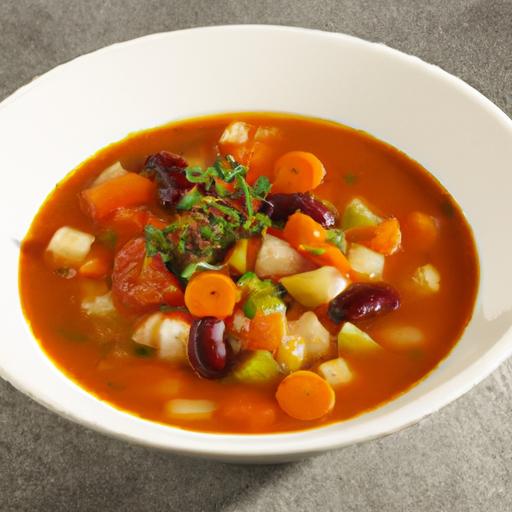






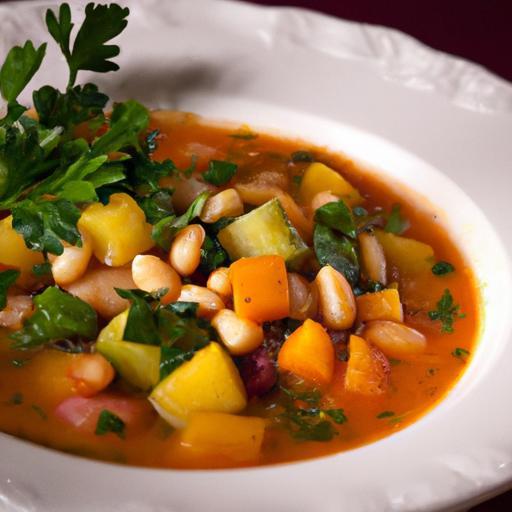

as the seasons change, so do the bounty of fresh ingredients that inspire our cooking. Minestrone,a timeless italian soup,traditionally brims with whatever vegetables are ripe and ready,making it a vibrant reflection of nature’s cycles. In this article, we invite you to rediscover minestrone with a fresh twist-celebrating seasonal produce to elevate the humble soup into a colorful, nourishing masterpiece. Whether it’s the tender greens of spring or the hearty root vegetables of autumn, savoring seasonal minestrone not only delights the palate but also honors the rhythms of the earth, bringing warmth and wellness to your table all year round.
Savor seasonal minestrone begins with a vibrant, wholesome base that champions fresh vegetables bursting with flavor and nutrition. This timeless Italian soup,rooted in countryside tradition,truly comes alive when crafted with the best produce each season offers. From the crunch of just-picked carrots to tender zucchini and jewel-toned tomatoes, selecting the right vegetables sets the stage for a deeply satisfying and colorful meal.
Prep and Cook Time
- Preparation: 20 minutes
- Cooking: 40 minutes
- Total Time: 1 hour
Yield
Serves 6 generous bowls
Difficulty Level
Easy to medium – perfect for home cooks eager to impress with rustic flavors
Ingredients
- 2 tbsp olive oil
- 1 large yellow onion, finely chopped
- 2 cloves garlic, minced
- 2 medium carrots, diced
- 2 celery stalks, diced
- 1 medium zucchini, diced
- 1 cup green beans, trimmed and cut into 1-inch pieces
- 2 medium tomatoes, peeled and chopped
- 1 cup kale, finely chopped
- 1 can (15 oz) cannellini beans, drained and rinsed
- 6 cups vegetable broth
- 1 tsp dried oregano
- 1 tsp dried basil
- 1/2 tsp crushed red pepper flakes (optional)
- salt and freshly ground black pepper, to taste
- 1/4 cup fresh parsley, chopped
- 2 tbsp fresh basil, chiffonade
- Juice of half a lemon (optional, for brightness)
Instructions
- Heat olive oil in a large pot over medium heat. Add the onion and garlic, sautéing until soft and translucent, about 5 minutes.Stir occasionally to avoid browning.
- Add carrots and celery. Continue cooking, stirring frequently, until vegetables begin to soften, about 6-7 minutes. This forms the aromatic base essential to savor seasonal minestrone.
- Mix in zucchini, green beans, and tomatoes. Cook for 5 minutes until the tomatoes release their juices,enriching the stew’s texture.
- Pour in the vegetable broth, then add the dried oregano, dried basil, and optional red pepper flakes. Bring the soup to a gentle boil, then reduce heat to low and simmer uncovered for 20 minutes, allowing the flavors to meld.
- Stir in kale and cannellini beans. Simmer for an additional 10 minutes until the kale is tender but still vibrant and the beans are heated through.
- Season generously with salt and black pepper.Remove from heat and stir in fresh parsley, fresh basil, and lemon juice for a shining finishing touch.
- Let the soup sit for a few minutes before serving,allowing the flavors to harmonize beautifully.
Tips for Success
- Use seasonal vegetables to ensure maximum freshness and nutritional punch. Swap out zucchini for summer squash in warmer months or add diced butternut squash in fall for sweetness.
- For a richer broth, simmer the vegetable stock with parmesan rinds or roasted vegetable scraps before adding to the soup.
- Don’t overcook the kale; it should maintain a bright green color and slight chew for an appetizing texture.
- Make ahead: Minestrone flavors deepen after resting. store in the refrigerator for up to 3 days or freeze portions for easy meals.
- For protein boost, add cooked pasta or grains like farro or quinoa just before serving to maintain texture and avoid mushiness.
Serving Suggestions to Complement Your Rustic Soup
Savor seasonal minestrone by pairing it with crusty artisan bread-ideally a warm baguette rubbed lightly with garlic and drizzled in olive oil. A sprinkle of freshly grated Parmigiano-reggiano or Pecorino Romano over the top adds layers of umami and richness.
For a garden-fresh twist, offer a sprinkling of microgreens or a drizzle of basil-infused olive oil to enhance the aromatic profile. Complement with a crisp white wine or sparkling water with lemon wedges for a refreshing balance.
To elevate presentation, serve the soup in rustic ceramic bowls with a small side of marinated olives or a seasonal green salad tossed in a simple vinaigrette.

| Nutrient | Per serving |
|---|---|
| calories | 210 kcal |
| Protein | 9 g |
| Carbohydrates | 35 g |
| Fat | 4 g |
Discover more appetizing vegetable-forward recipes in our Healthy Vegetable Soups collection and deepen your culinary expertise. For nutritional insights on fresh produce, visit the Nutrition.gov resource.
Q&A
Q&A: Savor Seasonal Minestrone – A Fresh Twist on Classic Soup
Q1: What makes seasonal minestrone different from the conventional recipe?
A1: Seasonal minestrone celebrates the bounty of fresh, in-season vegetables, giving this classic soup a vibrant, ever-changing personality. Unlike the traditional recipe that relies on a fixed set of ingredients, seasonal minestrone adapts to what’s ripe and ready-whether it’s tender spring peas, summer zucchinis, or autumn root vegetables-infusing the soup with unique flavors each time you make it.
Q2: Why is minestrone considered a versatile soup?
A2: Minestrone is a soup chameleon. Its base-broth, beans, pasta, and fresh vegetables-offers endless variations. You can swap out ingredients based on what you have or what’s in season, making it perfect for reducing food waste and exploring new flavor combinations. This adaptability means minestrone can be light and summery or hearty and comforting, depending on your mood and the season.
Q3: How can I choose the right vegetables for my seasonal minestrone?
A3: Start with what’s fresh and local! Visit your farmer’s market or check your garden. Spring might call for asparagus and peas, summer brings in tomatoes and green beans, fall invites squashes and kale, and winter welcomes root veggies and cabbage. The key is to layer flavors and textures-mix crisp with soft, sweet with earthy-to create a harmonious medley.
Q4: Is it necessary to include pasta or rice in minestrone?
A4: Not at all! While traditional minestrone frequently enough features small pasta shapes or rice, you can create a lighter or gluten-free version by skipping them or substituting with alternatives like quinoa, barley, or spiralized veggies. The soup’s heart comes from its vegetables and broth, so feel free to customize according to dietary needs or preferences.
Q5: What herbs and seasoning enhance the fresh flavors in seasonal minestrone?
A5: Fresh herbs like basil, parsley, thyme, and rosemary add bright, aromatic notes that complement seasonal vegetables beautifully.A squeeze of lemon juice or a dash of red pepper flakes can elevate the flavor further. Keep your seasoning balanced-allow the freshness of the produce to shine rather than overpowering it with heavy spices.
Q6: Can seasonal minestrone be prepared ahead of time?
A6: Absolutely! Minestrone benefits from some resting time,allowing flavors to meld and deepen. Make a big batch and refrigerate or freeze portions for fast, nutritious meals later on. Just add delicate greens or fresh herbs right before serving to preserve their texture and freshness.
Q7: How does seasonal minestrone fit into a healthy eating plan?
A7: Minestrone is a nutrient-packed powerhouse-rich in fiber, vitamins, and minerals from its colorful veggies and hearty beans. It’s naturally low in fat and calories, especially when made with a vegetable broth base. By focusing on fresh, seasonal ingredients, you maximize nutrient intake and enjoy a delicious, wholesome meal any time of year.
Q8: What’s the best way to serve seasonal minestrone?
A8: Serve it hot, garnished with a sprinkle of freshly grated Parmesan or a drizzle of good-quality olive oil. Crusty bread or a simple green salad can complete the meal. For a modern twist, try topping your soup with toasted seeds or a dollop of pesto to add texture and an extra flavor punch.
Embrace the changing seasons with every spoonful of your minestrone-an adaptable, comforting classic that always feels fresh and new!
To Wrap It Up
As the seasons turn and fresh harvests arrive, minestrone transforms from a humble classic into a vibrant celebration of nature’s bounty. By embracing seasonal ingredients, this timeless soup not only delights the palate but also nourishes the body with the freshest flavors each time you ladle it up.Whether brightened by spring peas, enriched with summer tomatoes, or warmed with autumn root vegetables, seasonal minestrone invites you to savor the evolving garden in every spoonful. So next time you crave comfort, let this adaptable favorite remind you that great cooking is always in season.