






In the heart of North African cuisine lies a dish that weaves together history, culture, and a symphony of flavors- the vegetable and chickpea tagine. This savory delight is more than just a meal; it’s a fragrant journey simmered slowly in a distinctive earthenware pot, where tender vegetables and hearty chickpeas meld with exotic spices to create a mosaic of taste and texture. Join us as we explore the magic behind this timeless dish,uncovering the secrets of its rich aromas,vibrant colors,and wholesome ingredients that make the vegetable and chickpea tagine a beloved emblem of comfort and culinary artistry.
Savory Delights unfold beautifully in this vegetable and chickpea tagine, a dish that captures the soul of Moroccan cuisine with its luxurious blend of spices and vibrant ingredients. This recipe invites you to delve into layers of cumin, coriander, and cinnamon, lifted by fresh citrus and fragrant herbs, creating a symphony of flavor that comforts as much as it excites. Born from the slow-cooked traditions of North African kitchens, this tagine transforms humble vegetables and protein-rich chickpeas into a party on the plate. Whether you’re new to tagine cooking or seeking to refine your technique, these carefully curated insights will empower you to achieve balance, perfect texture, and rich aroma in every simmering pot.
Prep and Cook Time
- Preparation: 20 minutes
- Cooking: 1 hour 15 minutes
- Total Time: 1 hour 35 minutes
yield
Serves 6 hearty portions, perfect for sharing family-style or savoring leftovers.
Difficulty Level
Medium – beginner cooks with enthusiasm will find this recipe approachable and rewarding.
Ingredients
- 2 tbsp olive oil, plus extra for drizzling
- 1 large onion, thinly sliced
- 3 cloves garlic, finely minced
- 2 medium carrots, sliced into rounds
- 1 red bell pepper, sliced
- 1 medium zucchini, sliced
- 1 large sweet potato, peeled and cubed
- 1 cup cooked chickpeas (or one 15 oz can, drained and rinsed)
- 1 medium tomato, diced
- 1 tbsp tomato paste
- 1 tsp ground cumin
- 1 tsp ground coriander
- 1/2 tsp ground cinnamon
- 1/2 tsp smoked paprika
- 1/4 tsp ground turmeric
- Pinch of saffron threads (optional, soaked in 2 tbsp warm water)
- 2 cups vegetable broth, low sodium
- Juice of 1 lemon
- Salt and freshly ground black pepper, to taste
- Fresh parsley and cilantro, chopped for garnish
- Toasted slivered almonds (optional, for garnish)
Instructions
- Heat olive oil in a heavy-bottomed tagine or large Dutch oven over medium heat.Add the sliced onion and sauté until golden and translucent, about 7 minutes, stirring occasionally to prevent sticking.
- Add garlic and cook for another minute until fragrant,then stir in cumin,coriander,cinnamon,smoked paprika,turmeric,and saffron with its soaking water. toast the spices gently for about 1 minute to awaken their full aroma.
- Stir in the tomato paste and diced tomato, cooking for 3-4 minutes until the mixture thickens slightly, intensifying the rich, savory base.
- Add the carrots, sweet potato, and bell pepper to the tagine, tossing in the spiced tomato mixture to coat evenly. Pour in the vegetable broth, bring to a gentle simmer, and cover.
- Cook over low-medium heat for 30 minutes, stirring occasionally. Add zucchini and chickpeas during the last 15 minutes, ensuring vegetables are tender yet hold their shape, not mushy.
- Finish with lemon juice to brighten the deep, complex flavor.Adjust seasoning with salt and pepper to your preference.
- Garnish with chopped parsley, cilantro, and toasted almonds before serving for added texture and freshness.
Chef’s Notes: Tips for Success
- Balancing the spices is key: start with the suggested amounts, then tweak to suit your palate-add a pinch more cinnamon for subtle warmth or extra paprika for smoky depth.
- You can use a regular heavy pot or slow cooker if you don’t own a conventional tagine. just maintain gentle heat and slow simmering to build flavor.
- Vegetables: choose fresh, firm produce. Carrots and sweet potatoes give sweetness and body, while bell peppers and zucchini provide delicate bites and color.
- Chickpea prep: If using dried chickpeas, soak overnight and cook until tender before adding to the tagine.
- Make ahead: This dish tastes even better the next day as the spices mingle. Reheat gently with a splash of vegetable broth if necessary.
- For a nut-free version, omit almonds or substitute with toasted pumpkin seeds.
Serving Suggestions
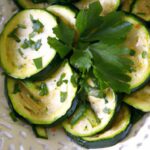
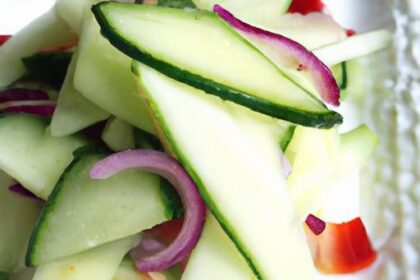
This vegetable and chickpea tagine bursts to life atop fluffy couscous or warm, crusty whole grain bread that soaks up the luscious sauce. For an added layer of texture, scatter pomegranate seeds over the top before serving- their jewel-like crunch is a delightful contrast. Pair with a side of crisp pickled vegetables or a refreshing cucumber salad to balance the warm spices. A drizzle of harissa or preserved lemon wedges on the side will elevate the dining experience.

| Nutrient | Per Serving |
|---|---|
| Calories | 280 kcal |
| Protein | 9 g |
| Carbohydrates | 45 g |
| Fat | 6 g |
For a deeper dive into the culinary traditions behind tagine, check out our Moroccan Spice Guide. To explore the nutritional benefits of chickpeas and vegetables, visit the International Nutrition Society.
Q&A
Q&A: Savory Delights – Exploring Vegetable and Chickpea Tagine Magic
Q1: What is a tagine, and why is it special in North African cooking?
A tagine is both a traditional Moroccan cooking vessel and the name of the dish prepared within it. The unique conical lid of the tagine pot traps steam and channels moisture back into the food, creating tender, flavorful stews with a rich, concentrated taste. This method is perfect for slow-cooking hearty ingredients like vegetables, chickpeas, and fragrant spices, making it a cornerstone of North African cuisine.
Q2: What makes vegetable and chickpea tagine a standout dish for plant-based eaters?
This tagine is a celebration of plant power. Chickpeas provide satisfying protein and a creamy texture, while vegetables like carrots, zucchini, eggplant, and sweet potatoes add layers of sweetness and earthiness. The slow cooking process melds these flavors with aromatic spices, creating a dish that’s hearty and deeply nourishing-without any need for animal products.
Q3: Which spices are most essential to capturing the authentic tagine flavor profile?
A fragrant blend is key! Classic spices include cumin, coriander, cinnamon, ginger, turmeric, and paprika. These, combined with fresh ingredients like garlic, preserved lemon, and fresh herbs like cilantro and parsley, build the tagine’s signature balance of warm, sweet, and savory notes. Each spice plays its part in layering complexity and soulfulness into the dish.
Q4: Can you share tips to make sure the vegetables don’t turn mushy in a slow-cooked tagine?
Absolutely! To maintain texture, layer vegetables based on their cooking times-hardier veggies like carrots and sweet potatoes go in first, followed by softer ones like zucchini and tomatoes later on. Also, avoid overfilling the tagine to allow steam circulation, and keep the cooking temperature low and steady to ensure gentle, even cooking.
Q5: How versatile is the vegetable and chickpea tagine for different meals and occasions?
Incredibly versatile! Serve it as a comforting main dish over fluffy couscous, warm flatbreads, or fragrant rice for a fulfilling meal. It also shines as a vibrant centerpiece at gatherings, offering a warming, colorful option that satisfies vegans and omnivores alike. Leftovers taste even better the next day, as the flavors deepen overnight.
Q6: Are there any creative twists or ingredient substitutions that can elevate a traditional vegetable and chickpea tagine?
Definitely! Add dried fruits like apricots or raisins for a sweet counterpoint to the spices. Toasted nuts such as almonds or pine nuts add a delightful crunch. you can also experiment with seasonal vegetables-like butternut squash in autumn or green beans in summer-to keep the dish fresh and exciting throughout the year.
Q7: What’s the best way to serve and garnish a vegetable and chickpea tagine for an elegant presentation?
Serve it steaming hot right from the tagine pot if you have one-it makes for a stunning and authentic presentation. Garnish with a sprinkle of fresh chopped cilantro or parsley, a few slivers of preserved lemon peel for brightness, and a handful of toasted nuts for contrast. A dollop of cooling yogurt (or a plant-based choice) on the side can add a lovely creamy finish.
Q8: Why has the tagine become a beloved dish beyond Morocco’s borders?
its magic lies in how it transforms simple ingredients into a deeply aromatic, comforting feast with minimal fuss.The blend of spices and slow cooking technique appeals to cooks worldwide, offering a taste adventure that’s both exotic and approachable. The vegetable and chickpea tagine, in particular, embodies global culinary trends that embrace plant-based, wholesome cooking with bold flavors.
Future Outlook
As the aromatic spices settle and the rich, hearty flavors of the vegetable and chickpea tagine linger on your palate, it’s clear that this North African treasure is more than just a meal-it’s a celebration of culture, tradition, and wholesome ingredients coming together in perfect harmony. Whether you’re a seasoned cook or a curious foodie, exploring the magic of tagine invites you to savor not only its comforting warmth but also the stories simmering beneath each bite. So next time you crave a dish that’s both nourishing and enchanting,remember that the humble vegetable and chickpea tagine holds a world of savory delights just waiting to be discovered in your own kitchen.