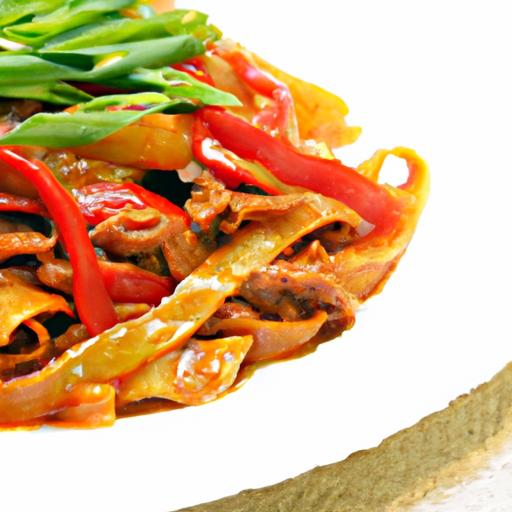




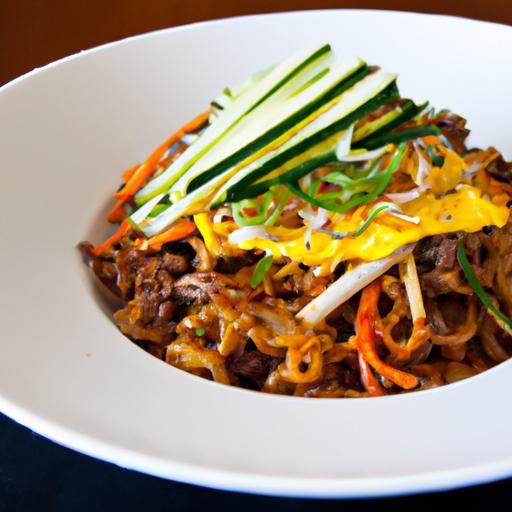

in the vibrant world of culinary fusion, few dishes manage to capture the essence of tradition and innovation quite like savory Bulgogi noodles. This flavorful Korean fusion delight marries the rich, marinated sweetness of classic bulgogi with the comforting, noodle-forward dishes beloved across Asia. Each bite offers a harmonious dance of tender, caramelized beef intertwined with silky noodles, infused with bold spices and fresh vegetables. Whether you’re a seasoned fan of Korean cuisine or a curious foodie eager to explore new tastes, savory bulgogi noodles promise an unforgettable journey through layers of texture and flavor that celebrate both heritage and creativity.
Crafting the Perfect Bulgogi Marinade for Maximum Flavor
Savory Bulgogi Noodles come alive through the magic of a well-balanced marinade that highlights the rich Korean heritage while embracing a vibrant fusion twist. The secret lies in layering sweet, savory, and slightly smoky notes to create a marinade that tenderizes the beef and infuses it with deep umami.
Begin with soy sauce as the salty backbone, balanced by the natural sweetness of brown sugar and the radiant acidity of Asian pear juice-a classic tenderizer. Freshly minced garlic and ginger add pungent warmth, while toasted sesame oil introduces a nutty aroma that signals comfort and depth. For that authentic Korean kick, Gochujang (Korean chili paste) lends subtle heat and complexity without overpowering the dish. A splash of mirin rounds out the flavor profile with a gentle sweetness and gloss.
Selecting the Ideal Noodles to Complement bulgogi
Choosing the right noodles is essential for a harmonious texture and flavor balance. Instead of traditional Korean glass noodles, opt for fresh wheat noodles or egg noodles that soak up the marinade’s sauce without losing their bite. These noodles create a tender chewiness that pairs beautifully with the caramelized edges of the bulgogi beef.For a lighter choice, soba noodles or thin udon provide an earthier dimension, perfect for those who seek a subtle contrast.
Step by Step Guide to Stir-Frying Your Bulgogi Noodles
- Prepare the marinated beef by letting it rest for at least 30 minutes at room temperature to absorb flavor fully.
- Cook the noodles in boiling salted water until just al dente,then rinse under cold water to stop cooking and keep them springy. Drain thoroughly.
- Heat a large wok or non-stick skillet over medium-high heat. Add a tablespoon of neutral oil (such as vegetable or canola).
- Add the marinated bulgogi beef in a single layer; let it caramelize without stirring for 2 minutes, then stir-fry until nearly cooked through, about 3-4 more minutes.
- Remove beef and set aside.Add garlic slices, julienned carrots, and sliced shiitake or button mushrooms; stir-fry until fragrant and tender, about 3 minutes.
- Return the beef to the pan with the vegetables; toss in cooked noodles and a splash of the reserved marinade or soy sauce to bind.
- Stir-fry everything together for 2-3 minutes, allowing the noodles to soak up the rich bulgogi flavors while achieving slight charring on the edges.
- Finish with a drizzle of toasted sesame oil and sprinkle freshly chopped green onions and toasted sesame seeds for freshness and texture.
Tips for Serving and Pairing with Traditional Korean Sides
Present your bulgogi noodles garnished with vibrant julienned cucumbers or a handful of scallions. A scattering of crunchy roasted sesame seeds and a wedge of fresh lime amps up visual appeal and taste contrasts. serving alongside classic Korean banchan such as kimchi, pickled radish, or namul (seasoned vegetable salads) creates an authentic and balanced meal experience.
For a fusion twist, pair with steamed edamame lightly dusted with sea salt or a delicate seaweed salad to brighten the palate. A crisp cucumber and daikon salad dressed in light rice vinegar and a pinch of sugar offers a refreshing counterpoint to the rich, savory noodles.
Enjoy this dish with a chilled barley tea, which delights with its nutty flavor and aids digestion, enhancing the entirety of your culinary journey.
Prep and Cook Time
- Preparation: 40 minutes (including marination time)
- Cook Time: 15 minutes
- Total: 55 minutes
Yield
serves 4 generous portions-perfect for sharing or enjoying as leftovers packed with flavor.
Difficulty Level
Medium – a rewarding dish for cooks comfortable with multiple simultaneous components and stir-fry techniques.
Ingredients
- 500g thinly sliced beef ribeye or sirloin
- 1/4 cup soy sauce (low sodium preferred)
- 2 tbsp brown sugar
- 2 tbsp Asian pear juice (or grated Asian pear)
- 1 tbsp toasted sesame oil
- 2 tsp Gochujang (Korean chili paste)
- 2 garlic cloves, minced
- 1 tsp fresh ginger, minced
- 1 tbsp mirin
- 200g fresh wheat noodles or egg noodles
- 1 tbsp vegetable oil for stir-frying
- 1 small carrot, julienned
- 100g shiitake mushrooms, sliced
- 3 spring onions, finely chopped
- 1 tbsp toasted sesame seeds for garnish
Instructions
- Make the marinade: In a bowl, whisk soy sauce, brown sugar, asian pear juice, toasted sesame oil, Gochujang, garlic, ginger, and mirin until sugar dissolves.
- Marinate the beef: Toss the sliced beef in the marinade. Cover and refrigerate for at least 30 minutes to overnight for deeper flavor infusion.
- Cook the noodles: Boil noodles according to package instructions until al dente.Drain and rinse with cold water to stop cooking. Set aside.
- Stir-fry beef: Heat vegetable oil in a wok over medium-high heat. Add beef in batches; cook undisturbed for 2 minutes, then stir until browned but not fully cooked. Remove beef and set aside.
- Sauté veggies: In the same wok, add garlic slices, carrots, and mushrooms. Stir-fry for 3 minutes or until tender.
- Combine everything: Return beef to wok, toss with veggies and noodles. Add a splash of reserved marinade or soy sauce to coat and bind flavors. Stir-fry for 2-3 minutes.
- Finish and garnish: Drizzle toasted sesame oil and toss. Remove from heat. Sprinkle with spring onions and toasted sesame seeds before serving.
Chef’s Notes
- For a vegetarian version, substitute beef with thinly sliced shiitake mushrooms and firm tofu, marinated in the same bulgogi blend.
- If Asian pear is unavailable, use apple juice or grated apple for sweetness and tenderizing qualities.
- Adjust Gochujang quantity according to your preferred spice level; omit for a milder, kid-amiable version.
- The noodles can be swapped for sweet potato starch noodles for classic Japchae-inspired texture.
- Make-ahead tip: marinate the beef overnight for maximum flavor depth and soak noodles 1 hour in advance for convenience.
Serving Suggestions
Plate the bulgogi noodles in wide bowls, garnished with fresh scallions, toasted sesame seeds, and a side of crisp cucumber ribbons or kimchi for textural contrast. Offer small dishes of pickled radish or seasoned spinach (sigeumchi namul) for authentic Korean banchan. For visual impact, finish with a sprinkle of red chili threads or sliced fresh chili peppers if you desire an elevated heat note.

| Nutrient | Per Serving |
|---|---|
| Calories | 450 kcal |
| Protein | 30 g |
| Carbohydrates | 45 g |
| Fat | 12 g |
For those exploring more Korean-inspired dishes,check our Japchae recipe to complement your culinary repertoire.
Q&A
Q&A: Savory bulgogi Noodles - A Flavorful Korean Fusion Delight
Q1: What exactly are savory bulgogi noodles?
A1: Savory bulgogi noodles are a delicious fusion dish that marries the iconic Korean bulgogi-thinly sliced marinated beef-with tender noodles, typically stir-fried or tossed to absorb the rich, umami-packed flavors. It’s a perfect blend of savory, slightly sweet, and smoky notes wrapped in an easy-to-eat noodle bowl.
Q2: How does bulgogi enhance the flavor profile of the noodles?
A2: Bulgogi’s marinade, often a harmonious mix of soy sauce, garlic, ginger, sesame oil, and a touch of sugar or honey, infuses the beef with layers of depth and caramelized sweetness. When combined with noodles, these flavors coat every strand, creating a harmony of textures and tastes-from the meaty richness to the subtly chewy noodles.
Q3: Are there specific types of noodles that work best in this dish?
A3: while bulgogi noodles can be versatile, chewy and sturdy noodles such as udon, soba, or even fresh wheat noodles work beautifully. They hold up well against the bold, savory sauce and provide a satisfying bite that complements the tender beef slices.
Q4: Can this dish be adapted for vegetarians or those who prefer plant-based meals?
A4: Absolutely! To keep the spirit of bulgogi, marinated mushrooms like shiitake or king oyster can mimic the meaty texture, absorbing the marinade’s rich flavors. Adding tofu or tempeh also creates a hearty, satisfying alternative. Incorporating lots of fresh vegetables boosts both nutrition and texture.
Q5: What aromatics and veggies do you recommend adding for an authentic bulgogi noodle experience?
A5: Classic accompaniments include thinly sliced onions, julienned carrots, scallions, and crisp bell peppers. Garlic and ginger are essential aromatics to deepen the flavor. for an extra Korean touch, topping the dish with toasted sesame seeds and a handful of fresh cilantro or chopped green onions gives brightness and crunch.
Q6: Is this a fast meal to prepare on a weeknight?
A6: Yes! Bulgogi noodles are a fantastic option for a speedy yet dreamy dinner. The marinade can be prepared ahead of time or even made in bulk,then quickly stir-fried with noodles and veggies when ready. The entire process can take as little as 20 to 30 minutes from start to finish.
Q7: How can I balance the flavor if my bulgogi tastes to salty or sweet?
A7: If the dish leans too salty, a splash of water or a pinch of sugar can balance the saltiness. For overly sweet notes, a small squeeze of fresh lemon or a drizzle of rice vinegar can introduce sharp, tangy contrast to tame the sugar.Adjusting sesame oil can also add depth without overpowering the dish.
Q8: What side dishes complement savory bulgogi noodles?
A8: Light and refreshing sides work best to balance the rich noodles. Try serving with kimchi, fresh cucumber salad, or steamed greens like spinach or bok choy. A simple miso soup or a bowl of pickled radishes can round out the meal with complementary textures and flavors.
Q9: Can I make savory bulgogi noodles ahead of time for meal prep?
A9: Yes, bulgogi noodles hold up well in the fridge for up to three days. Store noodles and beef separately if possible to preserve texture. When reheating, add a splash of water or broth to revive the sauce and stir-fry briefly to restore freshness.
Q10: What makes this dish a standout in Korean fusion cuisine?
A10: Bulgogi noodles beautifully encapsulate the heart of Korean flavors in a universally loved form-noodles. This dish crosses cultural boundaries, embracing global palates with its accessible ingredients and bold, comforting taste.It’s a delicious ambassador of Korean cuisine reinvented for the modern, international kitchen.
Concluding Remarks
As the aromatic spices of bulgogi mingle effortlessly with tender noodles, this savory Korean fusion dish invites you to experience a harmonious blend of tradition and innovation. Whether you’re a seasoned foodie or a curious cook, savory bulgogi noodles offer a delicious gateway into Korea’s rich culinary tapestry-one bite at a time. So next time you’re craving something both comforting and exciting, let this flavorful fusion delight transform your meal into a vibrant party of taste and culture.