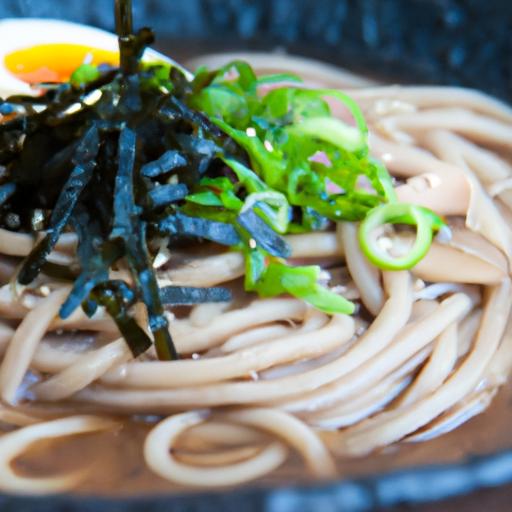




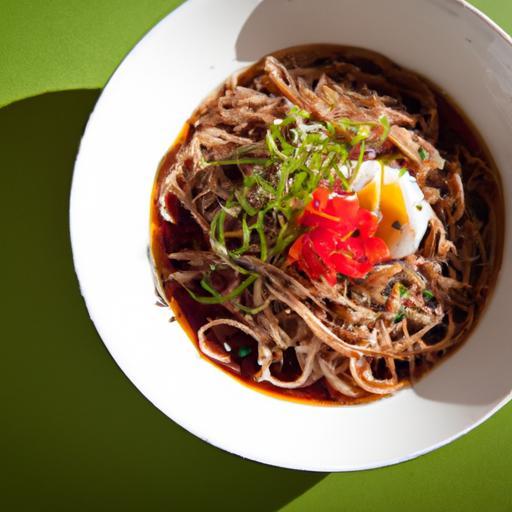

There’s something profoundly comforting about a steaming bowl of soba noodle soup-a culinary embrace that warms both body and soul. Rooted deeply in Japanese tradition, soba noodles made from buckwheat offer not just nutrition but a story woven through centuries of culture and craftsmanship. In this article,we’ll journey beyond the surface of this humble dish to explore its delicate flavors,meticulous preparation,and the artful balance that transforms simple ingredients into a soul-soothing experience. Prepare to savor the warmth and discover why soba noodle soup remains a timeless treasure in the world of gastronomy.
Savor the Warmth: Exploring the Art of Soba Noodle Soup invites you to immerse yourself in a bowl that encapsulates centuries of Japanese tradition and culinary mastery.Originating from Japan’s Edo period, soba noodles crafted from buckwheat have been cherished for thier earthy flavor and nourishing qualities. This humble yet elegant dish transcends mere sustenance-it’s a festivity of balance, seasonality, and mindful eating that soothes the soul, warming both body and spirit with every sip.
Prep and Cook Time
- Preparation: 15 minutes
- Cook Time: 20 minutes
- Total time: 35 minutes
Yield
- Serves 4 generous bowls
Difficulty Level
- Medium
Ingredients
- 200g dried soba noodles
- 6 cups dashi stock (see note on making your own)
- 1/4 cup soy sauce (shoyu)
- 2 tbsp mirin
- 1 tbsp sake (optional but recommended for depth)
- 1 tsp sugar
- 4 green onions, thinly sliced
- 100g shiitake mushrooms, thinly sliced
- 100g firm tofu, cubed
- 1 medium carrot, julienned
- 1 sheet nori seaweed, cut into strips
- Fresh grated ginger (to taste)
- Sesame seeds for garnish
Instructions
- Prepare the dashi stock: If using instant dashi powder, dissolve as per packet instructions. For a more authentic flavor, simmer kombu (seaweed) and dried bonito flakes (or shiitake for vegetarian) in 6 cups water for 10 minutes, then strain.
- Mix the soup base: In a separate pot, combine soy sauce, mirin, sake, and sugar. Warm gently until sugar dissolves, then add to the dashi stock. Keep this broth warm over low heat.
- Cook soba noodles: Bring a large pot of water to a rolling boil. Add soba noodles and cook 4-5 minutes until just tender. Stir occasionally to prevent sticking.Drain and rinse under cold water to remove excess starch and stop cooking. Set aside.
- Sauté toppings: In a dry skillet over medium heat,sauté shiitake mushrooms until just tender (~3 minutes). Add tofu cubes for 2 minutes to warm without browning the delicate exterior. Set aside.
- Reheat broth & serve: Bring soup base back to a gentle simmer. Divide noodles into warmed bowls. Ladle broth over noodles,then artistically arrange toppings-mushrooms,tofu,carrot juliennes,and sliced green onions-on top.
- Garnish & finish: Sprinkle with sesame seeds, add a small strip of nori seaweed and a touch of fresh grated ginger for brightness. Serve instantly for maximum warmth and flavor.
Chef’s Notes
- Make Ahead: Prepare your dashi broth in advance-store refrigerated for up to 3 days or freeze in portions for fast assembly on busy days.
- vegetarian Adaptation: replace bonito-based dashi with shiitake mushroom dashi or kombu-only broth for a fully plant-based version that retains umami depth.
- Noodle Tip: rinse soba under cold water well after boiling to prevent mushiness and preserve the ideal chewy texture.
- Broth Balance: Adjust soy sauce and mirin to taste-if it tastes to salty, add more dashi or a splash of water to mellow the broth.
- Topping Variations: Experiment with tempura vegetables, wakame seaweed, or a soft boiled egg for extra luxe texture contrasts.
Serving Suggestions
Present your bowl with a side of Japanese pickles (tsukemono) or a small dish of wasabi for those who enjoy a touch of heat. Use lacquered wooden bowls to enhance the visual warmth. Pair with green tea or a refreshing cold barley tea to complement the deep umami of the broth. Encourage eating with chopsticks to savor the chew of the noodles, and sip the broth directly from the bowl-a true nod to traditional Japanese soba enjoyment.

| Nutrient | Amount per Serving |
|---|---|
| Calories | 320 kcal |
| Protein | 14 g |
| Carbohydrates | 52 g |
| Fat | 6 g |
Mastering the Broth: Crafting the Perfect Soba Soup Base
Sobbing soba noodles are only as good as the broth they swim in-this liquid gold is a subtle blend of umami treasures. The foundation lies in dashi, traditionally made from kombu seaweed and bonito flakes, which imparts a smoky, oceanic depth. For a plant-based twist, dried shiitake mushrooms create a wonderful woody aroma and richness. Layering soy sauce, mirin, and a hint of sake balances saltiness with gentle sweetness, crafting a harmonious broth that cradles the soba noodles and toppings alike.
Selecting the Ideal Toppings for Flavor and Texture Harmony
Choosing toppings for soba noodle soup is an art that celebrates contrasts and complements. Soft tofu cubes provide creaminess, while sautéed shiitake mushrooms add meaty umami notes. Fresh julienned carrots bring a crisp sweetness and color pop; green onions introduce a sharp bite and freshness. Seaweed strips contribute a briny complexity and textural interest. This balance of flavors and textures enhances every spoonful, inviting both contemplation and delight.
Tips for Enjoying Soba Noodle Soup Like a True Connoisseur
Approach your bowl mindfully: start by slurping the noodles gently to appreciate their tender bite and earthy aroma. Sip the broth between bites to relish its layered umami. Mixing ingredients too early can dilute textures, so savor each component before blending flavors. Serve hot for ultimate coziness but also enjoy chilled versions in summer for a refreshing change.For deeper knowledge and variations on Japanese noodles, visit Japan Guide’s soba overview.
Interested in expanding your culinary journey? Check out our related article on making authentic dashi from scratch to boost your soba soup base skills.
Q&A
Q&A: Savor the Warmth – Exploring the Art of Soba Noodle Soup
Q1: What makes soba noodle soup a truly special dish in Japanese cuisine?
A1: Soba noodle soup is cherished for its simple yet profound harmony of textures and flavors. The buckwheat noodles provide a nutty, earthy base that beautifully complements the light, umami-rich broth. This combination creates a comforting,nourishing bowl that warms both body and soul,embodying the japanese philosophy of balance and seasonality in food.
Q2: How is the broth for soba noodle soup traditionally made?
A2: The essence of soba noodle soup lies in its broth, frequently enough crafted from a dashi base – a clear stock made from kombu (kelp) and katsuobushi (bonito flakes). this umami-packed foundation is gently seasoned with soy sauce and mirin, resulting in a delicate, savory liquid that enhances but never overpowers the subtle flavor of the buckwheat noodles.
Q3: What distinguishes soba noodles from other types of noodles?
A3: Made primarily from buckwheat flour, soba noodles have a unique texture-slightly firm and nutty, with a hint of earthiness that sets them apart from wheat-based noodles. This distinction gives soba noodles an intriguing flavor profile and a satisfying bite, making each slurp an experience that celebrates the natural grain.
Q4: Are there seasonal variations in the way soba noodle soup is served?
A4: Absolutely.Soba noodle soup is a versatile dish that adapts beautifully to the changing seasons. In colder months, it’s served piping hot with ingredients like shiitake mushrooms, green onions, and daikon radish, warming the body thoroughly. during warmer seasons, soba is frequently enough enjoyed chilled with a dipping sauce, allowing its nutty flavor to shine in a refreshing way.
Q5: What are some common toppings that enhance soba noodle soup?
A5: Traditional toppings include sliced green onions, fresh or pickled vegetables, tempura bits (tenkasu), and kamaboko (a type of fish cake). Mushrooms like shiitake or enoki add depth, while a splash of yuzu zest or a sprinkle of shichimi togarashi (seven-spice blend) can add a fragrant touch. Each addition complements the noodles and broth, creating layers of flavor and texture.
Q6: Can soba noodle soup be a vegetarian dish?
A6: Definitely! By focusing on a vegetarian dashi made from kombu and shiitake mushrooms, and choosing plant-based toppings like spinach, carrots, and tofu, soba noodle soup becomes a wholesome, satisfying vegetarian meal. its natural umami flavors flourish without any need for animal-derived ingredients.
Q7: What is the cultural significance of soba noodles in Japan?
A7: Soba noodles hold a deep cultural place especially during New Year’s celebrations, symbolizing longevity and resilience. Eating soba at the end of the year is a cherished tradition known as “Toshikoshi Soba,” believed to bring good luck and cut away the hardships of the past year, guiding diners into a fresh start.
Q8: How can someone new to soba noodle soup best appreciate its flavors?
A8: Approach it with mindfulness-take a moment to inhale the aroma of the broth, then savor the textures of the noodles and toppings together. The key is to enjoy the subtle interplay between the fragrant, savory dashi and the nutty soba, appreciating how each ingredient enhances the harmony of the dish without overwhelming it.
Q9: Are there any tips for cooking soba noodles at home to maintain their texture?
A9: Yes! When boiling soba noodles, use plenty of water and avoid overcooking. Once al dente, immediately rinse the noodles under cold running water to stop cooking and remove excess starch. this helps maintain their firm texture and prevents them from becoming mushy in the soup.
Q10: How does soba noodle soup reflect Japanese culinary philosophy?
A10: Soba noodle soup is a reflection of wabi-sabi-appreciating simplicity and imperfection-and shun, the concept of seasonality. Its unpretentious yet nuanced flavor profile respects natural ingredients and seasonal availability, encouraging mindfulness and gratitude for the humble, everyday pleasure of a warm bowl shared with loved ones.
In Retrospect
As the delicate strands of soba noodles entwine with the soothing broth, we uncover more than just a meal-we discover a timeless ritual that embodies comfort, culture, and craftsmanship. Whether enjoyed in a bustling Tokyo eatery or crafted gently at home, soba noodle soup invites us to savor warmth in every bite and to appreciate the artistry behind simplicity. So next time you cradle a bowl of this humble dish, remember that you’re not just tasting food-you’re embracing a story steeped in tradition and heartfelt warmth.