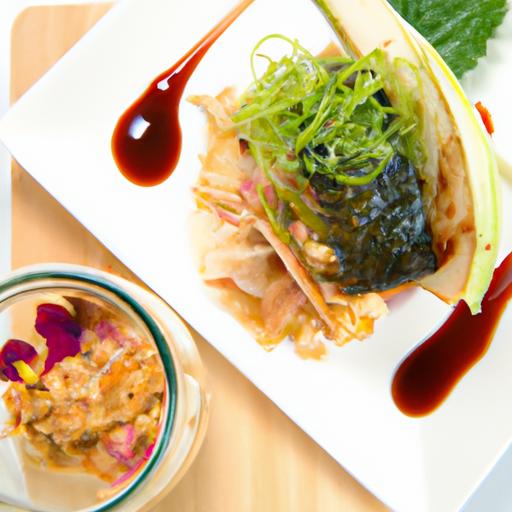
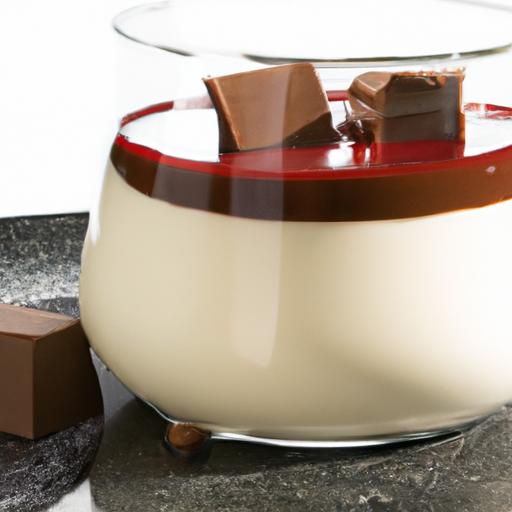




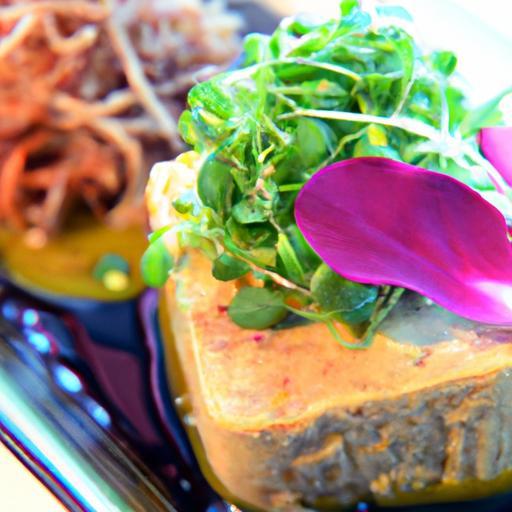

Unlock the savory secrets of umami as we dive into the art of crafting miso-glazed tofu that’s nothing short of perfection. This isn’t just another tofu recipe-it’s a harmonious dance of deep, rich flavors and silky textures that transform a humble block of soybean curd into a culinary masterpiece. Whether you’re a seasoned vegan veteran or simply curious about elevating your taste buds, mastering miso-glazed tofu invites you to savor the subtle complexity of fermented miso paired with the luscious caramelization of a perfectly glazed crust. Join us on this flavorful journey, where science meets tradition, and every bite tells a story of balance, depth, and umami bliss.
Savor the Umami: Mastering Miso-Glazed Tofu Perfection
Savor the umami that emanates from perfectly prepared miso-glazed tofu, a dish that harmoniously balances deep, savory flavors with delicate textures. Rooted in Japanese culinary tradition, this recipe transforms humble tofu into a luscious canvas for the rich complexity of miso paste. From sourcing the ideal tofu to crafting a miso glaze that’s both silky and assertive, you’ll discover how to unlock a flavor spectrum that delights every palate.
Prep and Cook Time
- Readiness: 15 minutes
- Marination: 20 minutes
- cooking: 15 minutes
- Total Time: 50 minutes
Yield
Serves 4 as a main dish or 6 as an appetizer
Difficulty Level
Medium – approachable for cooks familiar with tofu handling and glaze preparation
Ingredients
- 1 block (14 oz) extra-firm tofu, pressed and drained
- 3 tbsp white miso paste (shiro miso, mild and sweet)
- 2 tbsp mirin, for a touch of natural sweetness
- 1 tbsp tamari or soy sauce, gluten-free if preferred
- 1 tbsp maple syrup or agave nectar
- 1 tsp toasted sesame oil, for a nutty aroma
- 1 garlic clove, finely grated
- 1 tsp fresh ginger, grated
- 2 tbsp vegetable oil, for pan-frying
- 1 tbsp toasted white sesame seeds, for garnish
- Chopped scallions, thinly sliced, to finish
- Optional: a pinch of shichimi togarashi for subtle heat
Instructions
- Select and prepare your tofu. Begin by pressing the tofu gently between paper towels or a tofu press for 15-20 minutes to expel excess moisture. This step is crucial for achieving crispy edges and a tender interior that soaks up the miso glaze beautifully.
- Slice the tofu. Cut the pressed tofu into 1-inch thick slabs. Thicker slices help maintain a tender center while the edges crisp up delightfully during cooking.
- Whisk the miso glaze. In a small bowl, combine white miso paste, mirin, tamari, maple syrup, sesame oil, grated garlic, and ginger. Stir until perfectly smooth – this blend embodies the deep flavor spectrum of miso, ready to elevate your tofu.
- Marinate the tofu. Gently coat each tofu slice with the miso glaze and let rest for 20 minutes. This resting time allows the rich umami notes to saturate the tofu for maximum flavor impact.
- Prepare the pan for frying. Heat vegetable oil in a non-stick or cast-iron skillet over medium heat. Onc shimmering, add the tofu slices, carefully placing them to avoid splashes.
- Achieve crispy, golden edges. Cook the tofu for 5-6 minutes on each side without moving them too much; this encourages a caramelized crust while keeping the centers tender. Adjust heat as needed to prevent burning.
- Brush with extra glaze. In the last 2 minutes of cooking, gently brush the tofu with any remaining miso glaze for a glossy, richly layered finish.
- Plate and garnish. Transfer the tofu to a serving dish and sprinkle with toasted sesame seeds and sliced scallions. For a subtle kick, add a light dusting of shichimi togarashi.
Tips for Success
- Pressing is key: The more water you remove from the tofu, the crisper and more absorbent it will be.
- Glaze consistency: If your miso glaze feels too thick, thin it with a teaspoon of water or mirin for easier brushing.
- Pan choice: A cast-iron skillet provides excellent heat retention for even browning, but a good non-stick pan works equally well.
- Make-ahead: prepare the glaze in advance; store in an airtight container refrigerated for up to a week.
- Flavor variations: Experiment with different miso types-red miso offers a deeper, heartier flavor, while yellow miso is milder and earthier.
- Storage: leftovers keep well in the fridge for 2-3 days and are delicious reheated under a broiler to refresh the crispiness.
Serving Suggestions
This miso-glazed tofu shines alongside steamed jasmine rice or nestled atop a bowl of fluffy quinoa and sautéed greens such as bok choy or spinach. For a vibrant textural contrast,add a crunchy cucumber and carrot slaw dressed with rice vinegar and sesame oil. Garnish plates with a sprinkle of toasted seeds and fresh herbs like cilantro or mitsuba to enhance the fresh umami experience.

| Nutrient | Per Serving |
|---|---|
| Calories | 210 kcal |
| Protein | 15 g |
| Carbohydrates | 9 g |
| Fat | 14 g |
For creative variations and broader tofu recipes, explore our comprehensive tofu collection. To deepen your understanding of miso fermentation and its health benefits, visit Healthline’s miso nutrition guide.
Q&A
Q&A: Savor the Umami: mastering Miso-glazed Tofu Perfection
Q1: What makes miso-glazed tofu such a standout dish in vegetarian cooking?
A1: Miso-glazed tofu dazzles with its rich umami depth, transforming simple soybeans into a harmonious blend of savory, slightly sweet, and subtly salty flavors. This glaze – a marriage of fermented miso paste, mirin, and a touch of sweetness – elevates tofu’s mildness, offering a mouthwatering experience that feels indulgent yet wholesome.
Q2: Which type of tofu works best for glazing with miso?
A2: Firm or extra-firm tofu is your best friend here. Its dense texture holds up marvelously under the glaze and heat, preventing it from crumbling while delivering a satisfying chewiness. Silken tofu is too delicate and might dissolve during cooking, while firmer varieties soak up the flavors beautifully without losing shape.
Q3: How can I prepare tofu to achieve the perfect texture before glazing?
A3: Pressing is key! Gently pressing the tofu for at least 30 minutes removes excess moisture, allowing it to absorb the miso glaze more effectively and achieve a delightfully crispy exterior once cooked. Using a tofu press or layering tofu slices between dish towels weighted down by heavy books works wonders.
Q4: What role does umami play in the miso glaze?
A4: Umami is the soulful essence that makes this glaze irresistible – it’s the savory fifth taste that triggers satisfaction beyond the usual sweet,salty,sour,and bitter. Miso, a fermented soybean paste, is naturally rich in glutamates that amplify depth and complexity, turning each bite into a savory masterpiece.
Q5: Are there any tips for balancing flavors in the miso glaze?
A5: Absolutely! achieving balance means taming miso’s bold saltiness with sweetness from maple syrup or honey and brightening the blend with a splash of rice vinegar or citrus juice. This trio of salty, sweet, and acid creates that perfect glaze that clings lovingly to the tofu.
Q6: How should miso-glazed tofu be cooked for maximum flavor and texture?
A6: Pan-searing or broiling tofu after glazing produces a caramelized, slightly charred crust that locks in flavors and contrasts beautifully with the tender interior. Starting with a hot pan and minimal oil ensures crisp edges and a luscious glaze finish without sogginess.
Q7: Can miso-glazed tofu be made ahead of time?
A7: Yes! Marinate the tofu in the miso glaze for a few hours or overnight to let flavors deepen. You can also prepare the glaze in advance and store it refrigerated. Cook just before serving to retain that fresh caramelization and texture.Q8: What kind of dishes pair well with miso-glazed tofu?
A8: Miso-glazed tofu shines alongside steamed jasmine rice or quinoa, fresh vegetable stir-fries, roasted root vegetables, or vibrant Asian-inspired slaws. Its intense umami flavor can also enhance noodle bowls or vibrant grain salads, bringing savory harmony to any plate.
Q9: how can I adjust the miso glaze for different taste preferences?
A9: If you prefer a milder glaze, reduce the amount of miso and add more sweetener or acid to lighten the punch. For a smokier dimension, include a dash of smoked paprika or toasted sesame oil.For those who revel in heat, a pinch of chili flakes or a drizzle of sriracha will invigorate the palate.Q10: What is the best way to store leftover miso-glazed tofu?
A10: store cooled tofu in an airtight container in the refrigerator for up to 3 days. For optimal texture, reheat gently in a skillet or oven to revive its crispy glaze rather than microwaving, which tends to soften the edges.
Unlocking the secrets of miso-glazed tofu invites a festivity of umami-turning humble ingredients into a culinary art that’s both nutritious and soulful. Happy cooking!
In Summary
As the rich, savory layers of miso-glazed tofu melt effortlessly on your palate, you begin to truly understand the magic of umami – that elusive taste that transforms simple ingredients into unforgettable experiences. Mastering this delicate balance isn’t just about following a recipe; it’s about embracing the harmony of flavors, textures, and traditions that miso brings to the table.So the next time you seek a dish that’s both comforting and sophisticated, remember: with a little patience and passion, miso-glazed tofu can become your personal masterpiece, inviting you to savor every bite of umami perfection.