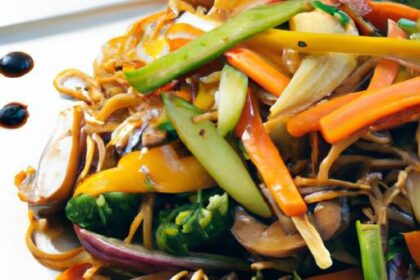







From the sun-drenched markets of Marrakech to the cozy kitchens of home cooks worldwide, the vegetable chickpea tagine stands as a vibrant party of North African culinary heritage. This hearty, aromatic stew marries tender chickpeas with an array of colorful vegetables, simmered gently with warm spices that evoke tales of ancient spice routes and bustling souks. Whether you’re a seasoned foodie or embarking on your first adventure into Moroccan cuisine,this guide invites you to savor the layers of flavor,tradition,and wholesome nourishment nestled within every spoonful of vegetable chickpea tagine. Get ready to transform simple ingredients into a comforting dish that tells a story with every bite.
exploring the Rich History and Cultural Essence of Vegetable Chickpea Tagine
Savor the flavors of vegetable chickpea tagine-a dish steeped in centuries of North African tradition, weaving together the aromatic spices and vibrant produce that define Moroccan cuisine. Originating as a humble slow-cooked stew centered around the tagine pot, this dish captures both the resilience and warmth of communal meals enjoyed across Berber villages and urban centers alike. I remember the first time I tasted a perfectly balanced vegetable chickpea tagine in a bustling Marrakech medina, where fragrant cinnamon, cumin, and preserved lemons mingled with the earthy sweetness of root vegetables, creating a sensory journey that instantly felt like home.
Selecting the Freshest Ingredients for Authentic and Vibrant Flavors
at the heart of an unforgettable vegetable chickpea tagine lies the quality of its ingredients. Freshness is paramount to achieve those authentic and vibrant flavors that dance on your palate. start with bright, firm carrots, zucchini, and sweet potatoes-each bringing their subtle sweetness and texture to the dish. Opt for organic or locally sourced vegetables when possible, as their natural character adds depth beyond the spice blend. For chickpeas, soak overnight or choose canned varieties with no added sodium for convenience. Fresh cilantro and parsley elevate the finished dish’s aroma, while freshly minced garlic and ginger infuse a zesty warmth not matched by powders. don’t overlook the magic of proper spices: earthy cumin, fragrant coriander, sweet cinnamon, and a pinch of smoky paprika form the cornerstone of this recipe’s complexity.
Mastering the Art of Slow Cooking to unlock Deep, Layered Aromas
The true soul of a vegetable chickpea tagine emerges from slow cooking-the process that gently coaxes all the flavors into a harmonious blend. Whether using a conventional earthenware tagine or a heavy-bottomed dutch oven, aim for a low, steady simmer allowing the vegetables and chickpeas to tenderize while absorbing the spice melody.This method unlocks the natural sweetness of the vegetables and mellows the spices, creating deep, layered aromas that fill your kitchen and your heart alike. Stir sparingly and cover the pot to trap steam, which tenderizes legumes without disintegrating them. An optional step includes finishing the dish with a squeeze of fresh lemon juice and chopped herbs to brighten the rich stew just before serving.
Perfect Pairings and Serving Suggestions to Elevate Your Tagine Experiance
To fully savor the flavors of your vegetable chickpea tagine, thoughtful pairings are essential. Serve alongside fluffy Moroccan couscous or warm, crusty whole-grain bread to soak up every luscious drop of the sauce. A side of silky, herbed yogurt or a cooling cucumber and mint salad balances the spices and adds fresh contrast. Garnish your tagine with vibrant pomegranate seeds or toasted slivered almonds for an elegant finish and a delightful textural interplay. For beverages, opt for fragrant mint tea or a light, spiced hibiscus infusion to complement the dish’s complexity without overpowering it.
Prep and Cook Time
- Preparation: 20 minutes
- Cooking: 1 hour 15 minutes
- Total: 1 hour 35 minutes
Yield
Serves 6 hearty portions
Difficulty Level
Medium – Perfect for cooks eager to explore slow-cooked flavors and intricate spice blends
Ingredients
- 2 tbsp olive oil
- 1 large onion, finely chopped
- 3 cloves garlic, minced
- 1 tbsp fresh ginger, grated
- 2 large carrots, peeled and diced
- 1 medium sweet potato, peeled and cubed
- 2 zucchinis, sliced into half-moons
- 1 red bell pepper, chopped
- 1 tsp ground cumin
- 1 tsp ground coriander
- ½ tsp ground cinnamon
- ½ tsp smoked paprika
- 1 tsp turmeric powder
- 1 can (15 oz) chickpeas, rinsed and drained
- 1 can (14 oz) diced tomatoes, with juice
- 2 cups vegetable broth
- Salt and freshly ground black pepper, to taste
- Juice of 1 lemon
- Fresh cilantro and parsley, chopped for garnish
- Toasted slivered almonds or pomegranate seeds (optional garnish)
Instructions
- Heat the olive oil in a tagine or large heavy-bottomed pot over medium heat. Add the chopped onion and sauté untill translucent and soft, about 5 minutes.
- Add the minced garlic and grated ginger; stir for 1 more minute until fragrant but not browned.
- Stir in the cumin, coriander, cinnamon, smoked paprika, and turmeric powders. Cook for 30 seconds to toast the spices and deepen their aroma.
- Add the chopped carrots, sweet potato, zucchini, and red bell pepper. Stir to coat the vegetables evenly with the spices, cooking for 3-4 minutes until they start to soften.
- Pour in the diced tomatoes with their juice, the chickpeas, and vegetable broth. Season with salt and freshly ground black pepper to taste.
- Bring to a gentle simmer, then reduce heat to low and cover tightly. Let simmer for about 1 hour, stirring occasionally. Cook until vegetables are tender and flavors meld beautifully.
- Before serving, stir in the lemon juice and adjust seasoning if needed.
- Garnish with fresh cilantro, parsley, and optional toasted slivered almonds or pomegranate seeds for a pop of color and crunch.
Tips for Success
- Soaking chickpeas: If using dried chickpeas, soak overnight and boil until tender before adding to the tagine for optimal texture.
- Spice variations: Feel free to add a pinch of cayenne or ras el hanout spice blend for subtle heat and complexity.
- Make-ahead: Prepare the tagine a day in advance-the flavors develop even more deeply when reheated gently.
- Vegetable swaps: Seasonal vegetables such as butternut squash or eggplant can be great substitutes based on availability.
- Traditional cookware: Using a tagine pot enhances moisture retention and adds authenticity, but a Dutch oven works perfectly as well.
- Keeping chickpeas intact: Stir carefully during cooking to prevent chickpeas from breaking down into the stew.
Serving Suggestions
Warm your vegetable chickpea tagine alongside fluffy couscous or quinoa to soak up its luscious, spiced sauce. Add a dollop of cooling plain yogurt blended with fresh mint or lemon zest to balance the spices. Crisp, fresh salads featuring cucumber, tomatoes, and radishes dressed lightly in lemon and olive oil provide a refreshing side. finish the presentation with unexpected garnishes like toasted nuts or juicy pomegranate arils to elevate both taste and aesthetics.

| Nutrient | Per Serving |
|---|---|
| Calories | 310 kcal |
| Protein | 12 g |
| Carbohydrates | 48 g |
| Fat | 7 g |
For more inspiration on Moroccan cooking techniques, explore our Moroccan Cooking Basics guide. To delve deeper into the rich spice culture behind dishes like vegetable chickpea tagine, visit Britannica’s Moroccan cuisine overview.
Q&A
Q&A: Savor the Flavors – A Guide to Vegetable Chickpea Tagine
Q1: What exactly is a tagine, and why is it special?
A tagine is both a traditional North African cooking vessel and the name of the slow-cooked stew prepared within it. The conical lid design allows steam to circulate and condense, keeping the dish tender, flavorful, and beautifully aromatic. This method transforms simple ingredients into a harmonious blend of textures and tastes-a truly magical culinary experience.
Q2: What makes the vegetable chickpea tagine a standout dish?
The vegetable chickpea tagine shines because of its vibrant combination of wholesome vegetables, protein-rich chickpeas, and fragrant spices. It’s a comforting, hearty dish that balances sweetness, earthiness, and warmth. Each mouthful reveals layers of saffron, cinnamon, ginger, and turmeric, making it a feast for both the eyes and the palate.Q3: Can I make this dish without an authentic tagine pot?
Absolutely! While cooking in a tagine pot adds authenticity and an enchanting aroma, you can achieve similar results using a heavy-bottomed Dutch oven or a deep, lidded skillet. The key is slow cooking over low heat to allow the flavors to meld and the vegetables to soften delicately.
Q4: Which vegetables work best in a vegetable chickpea tagine?
Root vegetables like carrots, sweet potatoes, and parsnips add sweetness and texture. Zucchini, tomatoes, and bell peppers contribute fresh, juicy notes. Eggplant is another favorite, absorbing spices beautifully. The beauty of this dish is its flexibility-seasonal or leftover veggies can effortlessly find their place in the pot.
Q5: How can one balance the spices to avoid overpowering the dish?
Start with a gentle hand and build complexity gradually. Cinnamon sticks, warm cumin, pungent ginger, and bright turmeric are classic tagine spices, but each should complement rather than dominate. Toasting the spices briefly before adding liquids releases their oils and mellows their intensity, creating a balanced, inviting profile.
Q6: Is the vegetable chickpea tagine suitable for special diets?
Yes! This dish is naturally vegan and gluten-free, packed with fiber and plant-based protein. It’s a nourishing option for vegetarians, vegans, and anyone seeking wholesome, nutritious meals brimming with flavor.
Q7: What’s a good way to serve this tagine?
traditionally, vegetable chickpea tagine is served over fluffy couscous or fragrant rice, which soaks up the luscious sauce. Fresh herbs like cilantro or parsley and a sprinkle of toasted almonds add texture and a fresh finish. A side of warm flatbread invites you to scoop and savor every drop.
Q8: Can leftovers be stored and reheated without losing flavor?
Definitely! Tagines frequently enough taste even better the next day, as the spices deepen and mingle. Store in an airtight container in the refrigerator for up to three days. Reheat gently on the stove, adding a splash of water or broth if the sauce thickens too much.
Q9: how can I personalize my vegetable chickpea tagine to make it my own?
experiment with different spice blends, add a pinch of harissa for heat, a handful of dried apricots or raisins for sweetness, or a squeeze of fresh lemon juice for brightness. Each tweak brings a fresh dimension and turns the dish into a unique culinary signature.
Q10: What’s the most rewarding part of cooking a vegetable chickpea tagine?
Beyond the rich aromas filling your kitchen and the vibrant colors steaming in the pot, it’s the soulful pleasure of sharing a slow-cooked, heartwarming meal with others. Each bite is a journey into North African tradition-a celebration of simple ingredients elevated to art.
The Conclusion
As the aromatic steam of your vegetable chickpea tagine fades, the rich tapestry of spices and wholesome ingredients lingers not just on your palate, but in your culinary memory. This dish, rooted in tradition yet wonderfully adaptable, invites you to explore vibrant flavors and nourishing textures with every simmer. Whether you’re a seasoned chef or a curious cook, embracing the art of the tagine opens a gateway to both culture and comfort. So, next time you seek a meal that’s as nourishing as it is indeed delightful, let the humble chickpea and garden-fresh vegetables lead you on a flavorful journey worth savoring again and again.