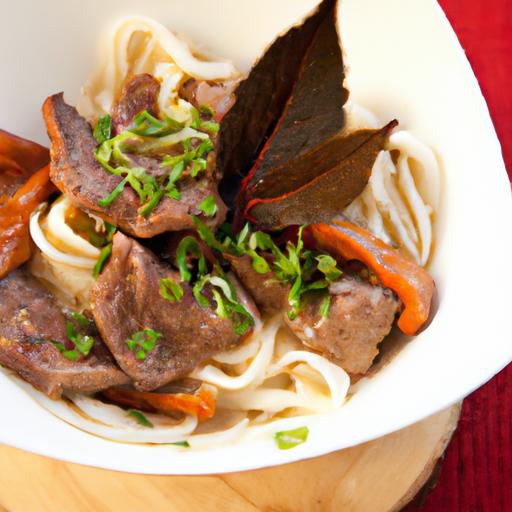


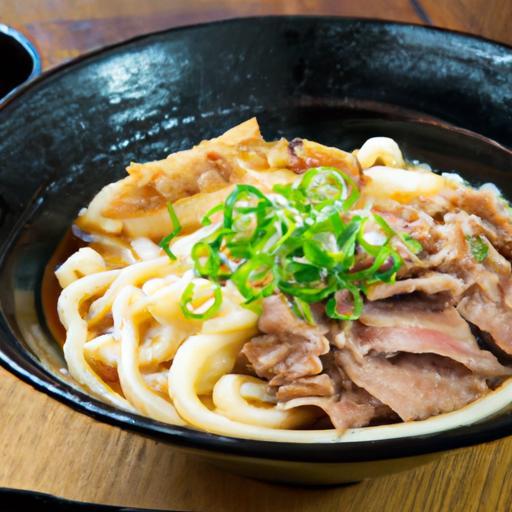

there’s something irresistibly comforting about a steaming bowl of beef udon noodles-the tender, savory slices of beef mingling with thick, chewy noodles in a broth that’s both rich and delicate. Whether you’re a seasoned foodie or a curious kitchen adventurer, mastering the art of beef udon is a culinary journey worth embarking on. In this guide, we’ll unravel the secrets behind creating the perfect bowl: from selecting the ideal cut of beef and crafting a flavorful broth to achieving that perfect noodle texture. Get ready to savor every bite as we dive into the delicious world of beef udon noodles, where tradition meets taste in every slurp.
Choosing the Ideal Beef Cuts for Tender and Flavorful Udon
Savor the flavor by selecting the best cuts of beef that meld tenderness and rich umami, becoming the heart of your udon. For the most luscious results, opt for cuts like ribeye, sirloin, or even chuck eye steak, each delivering unique textures and beefy depth.Ribeye offers marbled, buttery richness that melts on the tongue, while sirloin balances lean meat with subtle fat, creating a clean yet savory bite.
Slice the beef thinly, ideally against the grain, for maximum tenderness. If budget-friendly is key, thinly sliced brisket or shank can still imbue deep flavor when simmered gently in the broth. The key to extraordinary beef udon is marrying the right cut with the cooking style-fast sautés versus slow poaches each have their place.
Crafting the Richest Broth to Elevate Your Beef Udon Experience
At the soul of every memorable bowl lies a broth simmered with intention. Begin with a base of dashi, derived from kombu (kelp) and bonito flakes, fostering that distinct Japanese savoriness. To deepen richness, incorporate beef stock-homemade or quality store-bought-to layer earthy beef nuances beneath the delicate sea flavors.
Balance is everything: add soy sauce, mirin, and a touch of sake to introduce sweetness and complexity.A gentle simmer,rather than a rolling boil,coax flavors to harmonize without bitterness.Infuse fragrance and texture with sliced ginger and whole scallions, removing them before serving to keep the broth clear yet intensely aromatic.
Mastering Noodle Texture: Tips for Perfect Al Dente udon Every Time
Nothing complements tender beef and rich broth like perfectly cooked udon noodles. Purchase fresh or frozen udon for the soft chew and springy bite enthusiasts crave. Boil them in generously salted water until just tender but with a slight firmness-usually 8 to 10 minutes. Avoid overcooking to preserve the signature al dente snap.
After draining, rinse promptly under cold water to halt cooking and wash away surface starch, preventing clumping.For best texture, briefly toss noodles in a splash of neutral oil before adding them to the broth. This technique keeps strands distinct and glossy, inviting slurps full of flavor and bounce.
Enhancing Your Dish with Complementary Toppings and Garnishes
Visual appeal and layered tastes complete a memorable bowl. conventional toppings such as thinly sliced green onions, soft-boiled eggs, and crispy tempura flakes add texture contrast and bursts of flavor.For earthiness, sautéed shiitake mushrooms or fresh spinach bring color and nutrition.
A scattering of shichimi togarashi (Japanese seven-spice) introduces a smoky heat that awakens the palate. To finish,a drizzle of fragrant sesame oil or a sprinkle of toasted sesame seeds adds nutty warmth. each component collectively enriches the sensory experience, turning simple beef udon into an artful, soulful meal.
Prep and Cook Time
- Preparation: 20 minutes
- Cooking: 40 minutes
- Total: 1 hour
Yield
Serves 4 hearty bowls
Difficulty Level
Medium – perfect for cooks ready to embrace layering flavors and textures
Ingredients
- 300g ribeye beef, thinly sliced against the grain
- 400g fresh udon noodles
- 6 cups dashi stock (kombu and bonito-based)
- 2 cups beef broth, homemade or low-sodium store-bought
- 3 tbsp soy sauce
- 2 tbsp mirin
- 1 tbsp sake
- 1-inch piece ginger, sliced
- 2 scallions, halved
- Green onions, thinly sliced (for garnish)
- Soft-boiled eggs, halved (optional)
- Shiitake mushrooms, sliced and sautéed (optional)
- Shichimi togarashi (optional, for a spicy kick)
- Toasted sesame seeds and/or sesame oil, for finishing
Instructions
- Prepare the broth: Combine the dashi stock and beef broth in a large pot. Add sliced ginger and scallions,bringing to a gentle simmer for 15 minutes to infuse flavors. Remove ginger and scallions before serving.
- Season the broth: Stir in soy sauce,mirin,and sake. Taste and adjust seasoning as needed for balance between savory and sweet.
- Cook the noodles: Boil fresh udon in salted water for 8-10 minutes until al dente. Drain and immediatly rinse under cold water. Toss lightly with a splash of sesame oil and set aside.
- Sauté the beef: Heat a skillet over medium-high heat. Quickly sauté the thinly sliced ribeye until just browned, about 1-2 minutes per side, ensuring the beef remains tender and juicy.
- Assemble the bowls: Divide noodles among serving bowls. ladle hot broth over noodles, then arrange sautéed beef slices on top.
- Add toppings: Garnish with sliced green onions, halved soft-boiled eggs, sautéed shiitake mushrooms, and a sprinkle of toasted sesame seeds. Finish with a light dusting of shichimi togarashi if desired.
Chef’s Notes & Tips for Success
- For an even richer broth, simmer beef bones alongside dashi ingredients for 2-3 hours before straining and seasoning.
- Freeze extra broth in portions for speedy future meals – it intensifies in flavor over time.
- If fresh udon isn’t available, high-quality dried udon works well; just follow package instructions carefully to avoid overcooking.
- Try swapping ribeye with thinly sliced brisket for a more rustic take; simmer gently in broth until tender.
- Make soft-boiled eggs ahead by boiling for 6 minutes, cooling in ice water, peeling, and storing in the fridge.
Serving Suggestions
Present your beef udon in deep, wide bowls to showcase the vibrant layers of ingredients. Serve with pickled ginger on the side to refresh the palate, and offer a small dish of soy sauce or ponzu for customized dipping. A crisp, cold glass of Japanese green tea or sake makes an excellent pairing to complete this immersive experience.

| Nutrient | Per Serving |
|---|---|
| Calories | 480 kcal |
| Protein | 35 g |
| Carbohydrates | 50 g |
| Fat | 12 g |
Explore more at Serious Eats’ Udon noodle guide for unlocking deeper noodle mastery, and see how our Japanese Noodle Recipes can inspire your culinary adventures.
Q&A
Q&A: Savor the Flavor – A Guide to Perfect Beef Udon Noodles
Q1: What makes beef udon noodles so special compared to other noodle dishes?
A1: Beef udon noodles marry the hearty, tender flavors of slowly simmered beef with the chewy, comforting texture of udon noodles. this duo creates a perfect balance-a savory broth that’s rich yet clean, combined with noodles that soak up every bit of flavor. It’s a warm, satisfying dish that highlights simplicity enhanced by depth.Q2: What type of beef is best for udon noodles?
A2: For the best results, opt for marbled cuts like ribeye or chuck roast. These cuts become beautifully tender when simmered gently, lending richness without overpowering the broth. Thinly sliced beef, reminiscent of sukiyaki or shabu-shabu style, also works wonders, cooking quickly and infusing the dish with savory goodness.
Q3: How do you achieve the perfect udon noodle texture?
A3: Authentic udon noodles should be thick, chewy, and slightly springy.Fresh or frozen udon is ideal, but dried udon works in a pinch if cooked properly. The key is to boil them until just tender-overcooking leads to mushy noodles while undercooking results in a tough bite. Rinsing noodles under cold water after boiling helps retain that signature chewiness and prevents them from sticking.
Q4: What are the essential ingredients to build the broth?
A4: A classic beef udon broth blends dashi (Japanese soup stock), soy sauce, mirin (sweet rice wine), and a hint of sugar to create a savory, slightly sweet base. The dashi imparts a subtle umami depth, while the soy and mirin enhance flavor complexity. Slow-simmered beef bones or cooking the beef directly in the broth adds richness and body.
Q5: Can I customize beef udon noodles with toppings and sides?
A5: Absolutely! Traditional toppings like thinly sliced green onions, kamaboko (fish cake), shiitake mushrooms, and a sprinkle of shichimi togarashi (seven-spice chili powder) elevate the dish visually and flavor-wise. For added texture, try tempura flakes or a soft-boiled egg. On the side,pickled vegetables or steamed rice can complement the umami symphony in your bowl.
Q6: Is beef udon suitable for quick weeknight dinners?
A6: Yes! While simmering beef slowly yields the richest flavor, quick versions can be whipped up by stir-frying thin beef slices with pre-made broth and noodles. This shortcut keeps the essence alive without sacrificing the comforting taste,making beef udon a perfect weekday delight when time is limited.
Q7: Any pro tips for perfecting beef udon at home?
A7: Don’t rush the broth-it’s the heart of the dish. Letting it simmer gently unlocks layers of flavor. Use quality dashi, whether instant or homemade, and adjust the seasoning gradually. Also, warm your serving bowls beforehand: it keeps your beef udon piping hot and enhances the sensory experience. savor every slurp-beef udon is meant to be enjoyed with gusto!
If you want to turn your kitchen into a haven of rich aromas and tender noodles, mastering beef udon noodles is your delicious gateway. With this guide, your bowl will always be brimming with warmth, flavor, and just the right chew. happy cooking!
In Summary
As you embark on your own culinary journey to perfect beef udon noodles, remember that this dish is more than just a meal-it’s a harmony of textures and flavors that tells a story with every slurp. Whether you favor a rich,savory broth or tender,melt-in-your-mouth beef,the key lies in balance and patience. So, gather your ingredients, embrace the simmer, and let each step guide you closer to udon perfection. savoring each bite isn’t just about satisfying hunger; it’s about celebrating the art of comfort in every bowl. Happy cooking and even happier tasting!