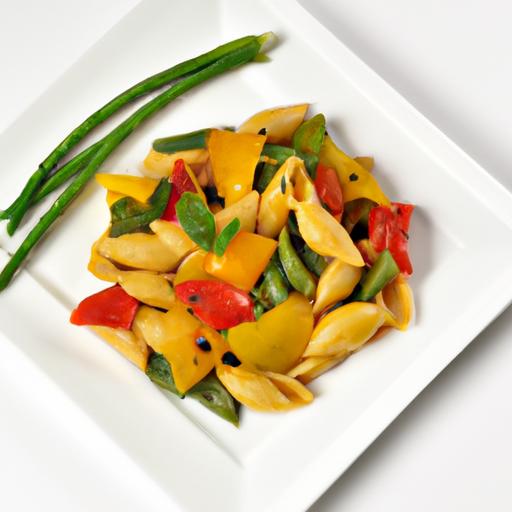


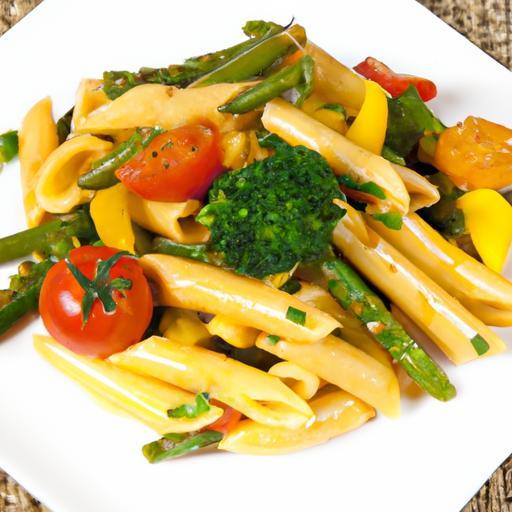

Bursting with colour and brimming with freshness, Pasta Primavera is more than just a dish-it’s a celebration of the seasons on a plate. Originating from the vibrant culinary landscapes of Italy and blossoming into an international favorite,this delightful medley of tender pasta twirls and crisp,garden-fresh vegetables invites both the eye and palate to indulge in nature’s bounty. Whether you’re a seasoned cook or a curious foodie, exploring Pasta Primavera means embracing a vibrant symphony of flavors and textures that change with the seasons, offering a wholesome, flavorful experience that’s as nourishing as it is gorgeous. Join us as we dive into the art and essence of this iconic dish, uncovering tips, variations, and the irresistible charm that makes Pasta Primavera a timeless testament to seasonal goodness.
Pasta Primavera: A Vibrant Plate of Seasonal vegetables celebrates the joyous bounty of fresh garden produce, transforming simple pasta into a colorful, nourishing delight that feels like a warm embrace of spring on your plate. Rooted in Italian-American cuisine, this dish captures the essence of freshness with every forkful-radiant, crisp vegetables harmonize effortlessly with tender pasta, making it a truly uplifting meal perfect for any occasion.
Prep and Cook Time
- readiness: 20 minutes
- Cooking: 15 minutes
- Total Time: 35 minutes
yield
Serves 4 generous portions
Difficulty Level
Easy to Medium – perfect for home cooks eager to explore fresh flavors with confidence
Ingredients
- 12 ounces linguine or fettuccine pasta
- 2 tablespoons extra-virgin olive oil, divided
- 1 medium zucchini, thinly sliced into half-moons
- 1 cup fresh asparagus tips, cut into 1-inch pieces
- 1 cup sugar snap peas, trimmed
- 1 medium red bell pepper, julienned
- 1 cup cherry tomatoes, halved
- 3 cloves garlic, finely minced
- ½ cup fresh basil leaves, chiffonade
- ¼ cup fresh flat-leaf parsley, chopped
- 1 tablespoon fresh lemon juice
- 1 teaspoon lemon zest, finely grated
- Salt and freshly ground black pepper, to taste
- ¼ teaspoon red pepper flakes (optional for a subtle heat)
- Freshly grated Parmesan cheese or Vegan Parmesan substitute, for garnish
Instructions
- Prepare the pasta: Bring a large pot of salted water to a vigorous boil. Add the pasta and cook until just al dente, about 1-2 minutes less than package instructions recommend. This ensures the pasta will finish cooking with the vegetables, retaining a tender but firm bite. Drain, reserving ½ cup of pasta water.
- Sauté the garlic: In a large skillet over medium heat, warm 1 tablespoon of olive oil. Add the minced garlic and cook, stirring frequently until fragrant and just golden, about 1 minute. Be careful to avoid burning, which can impart bitterness.
- add the vegetables: Increase heat to medium-high. add zucchini,asparagus,sugar snap peas,and bell pepper to the skillet. Season lightly with salt and pepper. Sauté, stirring often, until vegetables are crisp-tender and vibrant in color-about 4 to 5 minutes.
- Incorporate tomatoes and herbs: Lower the heat to medium. Stir in the cherry tomatoes, basil, and parsley. Continue to cook for another 2 minutes, allowing tomatoes to soften slightly and release their juices.
- Combine pasta and vegetables: Add the drained pasta to the skillet with the vegetables. Drizzle remaining olive oil, lemon juice, and sprinkle lemon zest and red pepper flakes if using.Toss everything gently to marry the flavors. If the mixture seems dry, stir in reserved pasta water a little at a time to create a light, silky coating.
- Final seasoning: Taste and adjust salt,pepper,and lemon juice. Remove from heat instantly to prevent overcooking the pasta or vegetables, preserving their bright, lively textures.
- Plate and garnish: Serve pasta primavera warm, generously topped with freshly grated Parmesan or vegan substitute. Optionally, add a few fresh basil leaves and a drizzle of extra virgin olive oil for a glossy finish.
Tips for Success
- Seasonal selection matters: Opt for the freshest vegetables available in your region-think tender spring peas, snap peas, baby carrots, or even thin-sliced fennel. Their subtle sweetness and crunch amplify the dish’s freshness.
- Master the al dente: Cooking pasta slightly underripe ensures it won’t become mushy once mixed with the warm vegetables and residual heat.
- Herb balance: Use herbs generously; they brighten the dish and add depth.Basil and parsley create a classic pairing, but try fresh tarragon or chives for an interesting twist.
- Make-ahead options: Prepare the vegetables ahead and store them separately. Cook pasta just before serving and toss everything together for a fresh, lively texture.
- Substitutions: Use gluten-free pasta or whole-grain varieties for dietary preferences. Nutritional yeast makes an excellent stand-in for cheese garnish if vegan.
- Don’t overcook the veggies: Retain their vibrant color and slight crunch by cooking just until tender but still crisp. Overdone vegetables lose brightness and flavor.
Serving Suggestions
Present this colorful symphony on a deep white plate to make the vegetables’ hues pop visually. Garnish with a few extra basil leaves and a sprinkle of lemon zest right before serving. Add a twist of fresh cracked pepper and a light drizzle of extra-virgin olive oil for added sheen and aroma. Pair with a crisp green salad dressed lightly with lemon vinaigrette to complement the dish’s freshness. For a light, weekend brunch vibe, serve alongside herb-infused sparkling water or a refreshing lemonade.
| Nutrient | Per Serving |
|---|---|
| Calories | 350 kcal |
| Protein | 11 g |
| Carbohydrates | 55 g |
| Fat | 8 g |
Related recipe: Explore another vegetable-forward Italian favorite in our Roasted Vegetable Ratatouille. For more about the health benefits of seasonal vegetables, visit ChooseMyPlate.gov.

Q&A
Q&A: Pasta Primavera - A Vibrant Plate of Seasonal Vegetables
Q1: What exactly is Pasta primavera?
A1: Pasta Primavera is a colorful and fresh Italian-inspired dish that celebrates the bounty of seasonal vegetables tossed with pasta. Originating in the 1970s, it’s a vibrant medley where tender pasta meets crisp, lightly sautéed or roasted vegetables, frequently enough finished with fresh herbs and a drizzle of olive oil or a light sauce.
Q2: Which vegetables make Pasta Primavera so special?
A2: The magic of Pasta primavera lies in its variety. Think bell peppers in sunny hues, sweet cherry tomatoes, zucchini ribbons, asparagus spears, tender peas, and fresh spinach leaves. Depending on the season, you might add crunchy carrots, bright green beans, or earthy mushrooms, each bringing texture, color, and a burst of natural flavor.
Q3: What type of pasta works best for Pasta primavera?
A3: Pasta Primavera shines with long, slender noodles like linguine, fettuccine, or spaghetti, which cozy up perfectly to the vegetables. However, farfalle (bow-tie pasta) or penne can also cradle the vibrant veggies nicely, catching bits of sauce and herbs in their curves and edges.
Q4: How do you keep the vegetables crisp and vibrant?
A4: To retain that signature snap and color, vegetables are typically sautéed quickly over medium-high heat or blanched and then shocked in ice water before being combined with the pasta. This approach preserves their freshness and brightens their flavors,giving the dish a lively,spring-like quality.
Q5: Is Pasta Primavera traditionally served with a heavy sauce?
A5: Not at all! Pasta Primavera is celebrated for its lightness. Rather than heavy cream or tomato sauces, it frequently enough features a simple dressing of extra virgin olive oil, freshly squeezed lemon juice, garlic, and fragrant herbs like basil and parsley. Some versions add a sprinkle of grated cheese for richness without overpowering the vegetables.
Q6: Can Pasta Primavera be made vegan or gluten-free?
A6: Absolutely! Swap regular pasta for your favorite gluten-free option such as rice, chickpea, or lentil pasta to make it gluten-free. For a vegan twist, simply omit any cheese or use plant-based cheese substitutes. The fresh vegetables and herbs provide plenty of flavor and satisfaction on their own.
Q7: What makes Pasta Primavera a perfect dish for spring and summer?
A7: The essence of Pasta Primavera is its celebration of what’s fresh and in-season. Spring and summer are prime times for vibrant vegetables bursting with life and flavor. This dish not only tastes like sunshine on a plate but also offers a light, refreshing meal that complements warmer days without feeling heavy.
Q8: Are there any tips for balancing the flavors in Pasta Primavera?
A8: Yes! Season with a pinch of salt during cooking to enhance natural sweetness, add a splash of acid like lemon juice or a touch of vinegar to brighten the dish, and finish with fresh herbs to add layers of aroma and freshness.Toasted nuts or seeds can add an unexpected crunch that elevates the texture.
Q9: How can Pasta primavera be served for gatherings or dinner parties?
A9: for an inviting presentation, serve Pasta Primavera family-style in a large, colorful bowl to showcase the vibrant veggies. Garnish with a scattering of fresh herbs and a light drizzle of olive oil. Pair it with crisp salads or rustic bread to round out the meal, offering guests a wholesome and visually appealing feast.
Wrapping Up
As the colors of spring burst onto your plate, Pasta Primavera invites you to celebrate the bounty of each season with every twirl of the fork.This vibrant medley of fresh, crisp vegetables not only enchants the eyes but also nourishes the body, reminding us that simplicity and seasonality can transform a humble pasta dish into a culinary masterpiece. Whether enjoyed al fresco on a sunlit afternoon or as a comforting dinner at home, Pasta Primavera is more than a recipe-it’s a joyful ode to nature’s palette, blending flavor and freshness in perfect harmony. So next time you crave a meal that’s as lively as the seasons themselves, remember: the beauty of primavera is always just a sauté away.