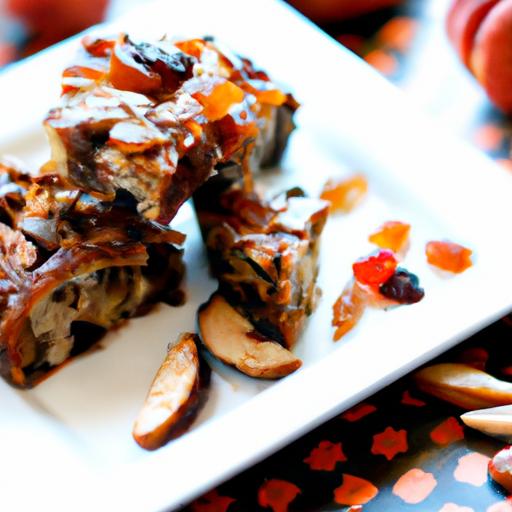





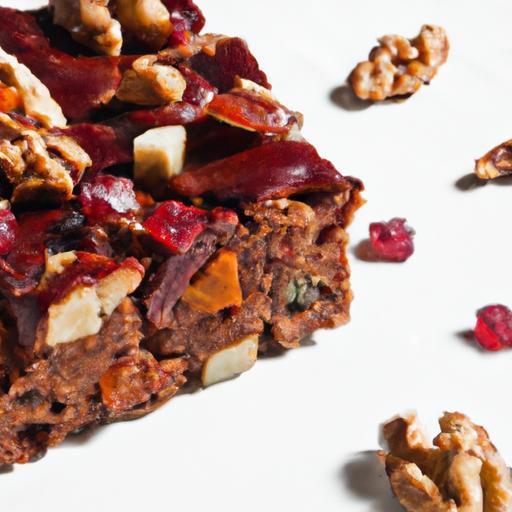

Hidden beneath a dusting of powdered sugar lies a centuries-old treasure from the heart of Italy-Panforte. This dense, chewy cake, bursting with sticky fruits and crunchy nuts, is more than just a holiday treat; it’s a flavorful tapestry woven from tradition, history, and regional artistry.In this article, we unwrap the stories, ingredients, and timeless appeal of Panforte, inviting you to discover why this luscious confection has captivated taste buds and festive tables for generations. Get ready to savor Italy’s rich fruit and nut cake delight like never before.
Discovering the Historical Roots and Cultural importance of Panforte
Panforte Unwrapped: Italy’s Rich Fruit and Nut Cake Delight holds a special place in the heart of Tuscan tradition.Originating from Siena during the Middle ages, this dense, aromatic cake served as both a festive treat and a durable preserved food for long journeys. The name “panforte” literally translates to “strong bread,” indeed capturing its robust flavors and intense sweetness.It embodies centuries of Italian craftsmanship where spices, fruits, and nuts were treasured commodities, making each bite a historic indulgence.
Exploring the Unique Ingredients That Make Panforte Irresistible
The magic behind Panforte lies in its harmonious blend of candied fruits,toasted nuts,fragrant spices,and honey. Unlike many cakes, it boasts a chewy, almost chewy texture with bursts of citrusy brightness and a warming spice profile reminiscent of cinnamon, nutmeg, and cloves. The careful use of pine nuts, almonds, figs, and orange peel gives it an unrivaled depth, while the subtle dusting of powdered sugar on top lends a delicate sweetness and a festive look that beckons to be sliced and savored.
Baking Authentic Panforte at Home: A Step-by-Step Guide
Prep and Cook Time
- Preparation: 30 minutes
- Cooking: 25 minutes
- Cooling: 2 hours
Yield
Serves approximately 8 to 10 people
Difficulty Level
Medium – requires attention to detail and careful temperature control
Ingredients
- 1 cup (140g) all-purpose flour, sifted
- 1 cup (120g) toasted almonds, roughly chopped
- ½ cup (70g) toasted pine nuts
- 1 cup (150g) mixed candied citrus peel, finely chopped
- ½ cup (70g) dried figs, chopped
- 1 teaspoon ground cinnamon
- ½ teaspoon ground nutmeg
- ¼ teaspoon ground cloves
- ¼ teaspoon ground black pepper
- 7 ounces (200g) honey
- ⅔ cup (130g) granulated sugar
- Powdered sugar, for dusting
- Butter, for greasing the pan
Instructions
- Prepare your pan: Generously butter an 8-inch springform pan or a round cake pan lined with parchment paper for easy removal.
- Toast nuts: In a dry skillet over medium heat, toast the almonds and pine nuts until golden and fragrant, about 5 minutes, stirring occasionally to prevent burning.
- Combine dry ingredients: In a large bowl, mix the sifted flour, toasted nuts, candied peel, chopped dried figs, and all the spices until evenly distributed.
- Cook honey and sugar: In a saucepan, heat the honey and granulated sugar over medium heat until the sugar dissolves and the mixture reaches 240°F (soft ball stage). This ensures a perfect chewy consistency.
- Mix wet and dry: Pour the hot honey and sugar mixture over the dry ingredients; quickly but gently fold everything together with a wooden spoon until the mixture thickens and sticks together like a dense dough.
- Transfer to pan: Immediately press the mixture firmly and evenly into the prepared pan using a spatula or your wet hands to prevent sticking.
- Bake: Place the pan in a preheated oven at 300°F (150°C) and bake for about 25 minutes. The panforte should be firm to the touch but not overly dry.
- Cool: Remove from oven and allow to cool completely in the pan, ideally for 2 hours, so the flavors meld and it sets properly.
- Dust and serve: Once cooled, turn the panforte out onto a cutting board, dust the top generously with powdered sugar, and slice thinly to enjoy.
Tips for Success
- For a richer flavor, toast the nuts yourself to avoid the blandness of pre-packaged varieties.
- Keep a candy thermometer handy – the sugar mixture must reach 240°F to achieve the signature chewy texture.
- This cake is best made at least 24 hours ahead; letting it rest wrapped in parchment enhances the flavor.
- Experiment with dried cherries or figs depending on your preference, but avoid candied fruits dripping with syrup, as excess moisture can alter texture.
- Store your panforte in an airtight container at room temperature, where it keeps beautifully for weeks.
Perfect Pairings: Wine and Coffee to Elevate Panforte Enjoyment
To truly savor the richness of this italian specialty, pairing is key.A sweet, fortified wine like Vin Santo or a rich Moscato d’Asti complements Panforte’s dense sweetness, echoing its dried fruit notes. For coffee lovers, a robust espresso or a creamy cappuccino cuts through the cake’s richness, creating a balanced palate interplay. Serve slices alongside a small glass of wine or a fresh espresso shot for an indulgent end to any meal.

| Nutrient | Per Serving (1 slice) |
|---|---|
| Calories | 280 kcal |
| Protein | 5 g |
| Carbohydrates | 38 g |
| Fat | 12 g |
Explore more Italian desserts like Cantucini biscuits to continue your journey through Tuscany’s rich culinary traditions.For a deeper dive into the origins of Panforte and its significance, check out the Encyclopedia Britannica on Panforte.
Q&A
Q&A: Panforte Unwrapped – Italy’s Rich Fruit and Nut Cake Delight
Q1: What exactly is Panforte?
A1: Panforte is a customary Italian dessert hailing from the medieval city of Siena. Imagine a dense, chewy fruitcake packed with fragrant spices, chewy candied fruits, crunchy nuts, and a hint of honey sweetness-it’s like Italy’s edible history wrapped in a slice.
Q2: Where does the name “Panforte” come from?
A2: The name ”Panforte” translates to “strong bread” in Italian. This “strength” refers not to the bread’s toughness but to the robust flavors and richness packed into every bite. It’s a cake that commands attention with its bold spice and nutty intensity.
Q3: What ingredients make Panforte so special?
A3: Panforte’s magic lies in its ingredients: usually a warm blend of cinnamon, cloves, and nutmeg dancing with dried fruits like figs, citrus peel, and apricots, combined with toasted almonds or walnuts. A glistening dusting of powdered sugar on top frequently enough finishes this treasure.Q4: How is Panforte traditionally made?
A4: Traditional Panforte is hand-mixed-candied fruits and nuts are folded into a sweet, spiced batter then baked slowly until dense and chewy.It’s often made in a round shape and dusted in sugar, resembling an edible jewel from tuscany.
Q5: Is Panforte served year-round or just on special occasions?
A5: Historically, Panforte was enjoyed year-round but became especially popular during Christmas and festive seasons. Its rich, warming spice mix and heartiness make it the perfect treat for cozy winter gatherings.
Q6: How does Panforte differ from other fruitcakes?
A6: Unlike the often moist and fluffy fruitcakes known in other cultures, Panforte is drier, denser, and more intensely flavored. It’s a concentrated burst of fruit, spice, and nuts-think less sweet cake, more decadent confection.
Q7: Can panforte be stored or aged like other cakes?
A7: Absolutely! Panforte’s firm, dense texture makes it perfect for aging. Wrapped properly,it can mature over weeks or months,allowing the flavors to meld and deepen,making each slice even more alluring.
Q8: How is Panforte best enjoyed?
A8: Slice thinly and savor with a cup of espresso, a glass of Vin Santo, or a hot tea. its richness means a little goes a long way, making it perfect for sharing among friends or as a special gift from Italy.
Q9: Are there modern twists on Panforte?
A9: Yes, contemporary bakers experiment with variations-adding chocolate chips, experimenting with different nuts like pistachios, or infusing new spices.However,the core essence of Panforte’s fruity,spicy,nutty harmony remains at the heart of every reinterpretation.
Q10: Where can one find authentic Panforte outside Italy?
A10: Many specialty Italian bakeries and gourmet food shops carry Panforte, especially during the holidays. Online artisanal purveyors also offer traditional versions shipped worldwide, so you can unwrap a taste of Italy no matter where you are.
Whether you’re a dessert enthusiast or a curious traveler of flavors, Panforte invites you to unwrap centuries of Italian tradition in every bite-a festive, flavorful journey through Tuscany’s culinary heritage.
In Summary
As the final slice of panforte melts on your tongue, you’re left with more than just the lingering warmth of spices and sweetness-you carry with you a piece of Italy’s deep-rooted culinary heritage. This dense, jewel-like cake, bursting with candied fruits, toasted nuts, and fragrant spices, is much more than a festive treat; it’s a tasty story of tradition, craftsmanship, and festivity wrapped in every bite. Whether you encounter panforte in a bustling Tuscan market or recreate it in your own kitchen, this rich fruit and nut cake invites you to savor the past and share in a timeless Italian delight. So go ahead-unwrap a slice, and let the flavors transport you to a cozy piazza where history and indulgence meet.