






In the bustling world of Korean cuisine,where vibrant flavors and rich traditions intertwine,there exists a humble yet enchanting dish that warms both body and soul: Mu guk,or Korean radish soup. Frequently enough overlooked in favor of more flamboyant staples, this unassuming broth carries the magic of simplicity-a comforting blend of tender radish, savory beef, and subtle aromatics that has been nourishing families for generations. Join us as we uncover the heartwarming story behind Mu Guk, exploring its cultural roots, healthful benefits, and the timeless recipe that transforms everyday ingredients into a bowl of pure, soul-soothing magic.
Mu Guk Magic: This soul-soothing Korean radish soup is a timeless culinary treasure deeply woven into Korean heritage. Steaming bowls of Mu Guk have graced family tables for generations, offering warmth, nourishment, and a gentle simplicity that comforts both body and spirit. Originating as a humble peasant dish, its subtle flavors honor the seasonal bounty and communal gatherings that define Korean dining culture. I still recall my grandmother stirring a pot of Mu Guk on chilly mornings, the fragrant broth filling the kitchen with an inviting aroma that promised comfort and care.
Prep and Cook Time
- Readiness: 15 minutes
- Cooking: 45 minutes
- Total Time: 1 hour
Yield
Serves 4 hearty portions
Difficulty Level
Easy – perfect for both beginners and seasoned home cooks eager to explore authentic Korean flavors.
Key ingredients That Bring Mu Guk to Life
- 1 large Korean radish (mu),about 500g,peeled and cut into 1/2-inch half-moons
- 6 cups water (preferably filtered or spring water for clean broth)
- 150g lean beef brisket or chuck,thinly sliced
- 1 medium yellow onion,thinly sliced
- 3 garlic cloves,minced
- 1 tablespoon soy sauce (use Korean soy sauce,ganjang,if possible)
- 1 teaspoon sesame oil
- 2 green onions,chopped (keep white and green parts separate)
- salt and freshly ground black pepper,to taste
- 1 teaspoon toasted sesame seeds (optional,for garnish)
Step-by-Step Guide to Making authentic Korean Radish Soup
- Prepare the broth base: In a large pot,add the water and sliced lean beef. Bring to a boil over medium-high heat. Skim any foam or impurities that rise to the surface for a clear broth.
- Add the radish and onion: Once the broth is clear, stir in the Korean radish half-moons and yellow onion slices. Reduce heat to medium-low and simmer gently for about 30 minutes, until the radish is tender but retains a slight bite.
- Season the soup: Stir in the minced garlic, soy sauce, and sesame oil. Taste the broth and adjust seasoning with salt and pepper as needed.The goal is a light, harmonious flavor that complements-and does not overpower-the radish’s natural sweetness.
- Add green onion whites: Drop in the white parts of the chopped green onions,simmering for an additional 5 minutes to infuse their mild sharpness.
- Finish and garnish: Remove the pot from heat. Sprinkle the soup with green parts of the green onions and, if you like, a few toasted sesame seeds for nutty aroma and texture contrast.
Tips and Variations to Personalize Your Mu Guk experience
- Beef alternatives: For a leaner or more accessible option, swap beef with thinly sliced chicken breast or omit meat entirely for a vegetarian version, enhancing umami with dried shiitake mushrooms and kelp (dashima) broth.
- Depth of flavor: To deepen the broth, simmer dried anchovies (myeolchi) with water for 10 minutes, strain, then proceed with the beef and radish.
- Making ahead: Mu Guk tastes even better the day after preparation. Store covered in the fridge up to 3 days and reheat gently to preserve delicate flavors.
- Adding texture: For a heartier twist,introduce soft tofu cubes or glass noodles (dangmyeon) during the last 5-7 minutes of simmering.
- Spice it up: If you crave a kick, add a pinch of Korean chili flakes (gochugaru) just before serving to awaken the mild broth.
Serving Suggestions
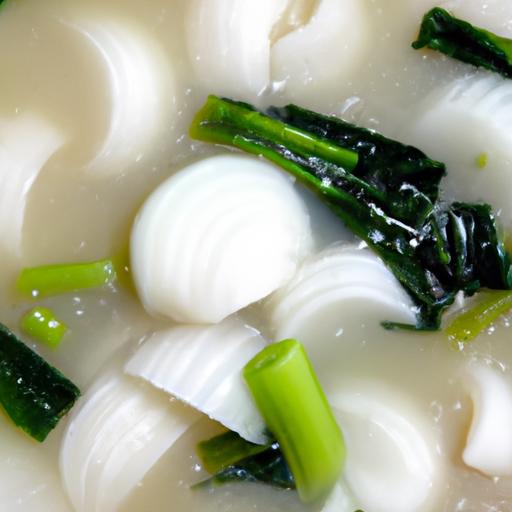
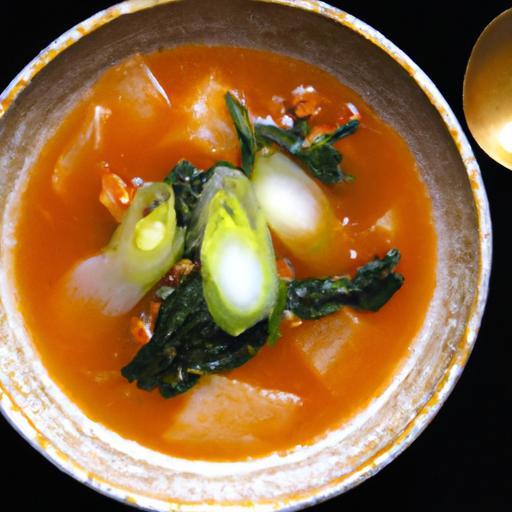
Serve your Mu Guk steaming hot in bowls that highlight its vibrant light golden broth and milky radish slices. Accompany with a bowl of steaming steamed white rice (bap) and classic Korean side dishes (banchan), such as kimchi or spicy cucumber salad, to balance the soup’s mild comfort. Garnish the soup with fresh green onions and a dash of toasted sesame seeds for that signature aroma and eye-catching shimmer.
For a cozy meal setting, pair with Korean pear slices or a simple green salad dressed with sesame oil to create textural contrast and refresh the palate. The gentle warmth of Mu Guk Magic truly shines as the heartwarming centerpiece of any family gathering or solo comfort meal.

| Nutrient | Per Serving |
|---|---|
| Calories | 160 kcal |
| Protein | 14 g |
| Carbohydrates | 12 g |
| Fat | 5 g |
For those eager to explore more Korean classics,don’t miss our detailed guide to bibimbap Traditional Recipe which pairs beautifully with Mu guk Magic. To deepen your understanding of Korean culinary culture, check out this expert piece on Korean food traditions.
Q&A
Q&A: Mu Guk Magic - Discover the Heartwarming Korean Radish Soup
Q1: What is Mu Guk, and why is it so beloved in Korean cuisine?
A1: Mu Guk, or Korean radish soup, is a simple yet soul-soothing dish made primarily from Korean radish (mu), broth, and seasoning. Celebrated for its light, comforting flavor, it’s a staple in Korean households, often enjoyed as a nourishing meal any time of day. Its gentle taste and nourishing qualities make it a go-to soup that warms both body and heart.
Q2: What makes Korean radish special for this soup?
A2: Korean radish is denser and sweeter than many othre varieties,boasting a crisp texture that holds up beautifully when simmered. When cooked slowly in broth, it transforms into tender, translucent morsels bursting with mild sweetness and subtle earthiness, lending Mu guk its signature gentle depth.
Q3: How is Mu Guk traditionally prepared?
A3: The traditional preparation involves simmering diced or sliced Korean radish in a clean, clear broth-often made from anchovies or dried kelp-to infuse the soup with umami. Seasoned simply with garlic, soy sauce, and a touch of green onion, the recipe emphasizes purity and balance, allowing the radish’s natural flavors to shine.
Q4: Can Mu Guk be enjoyed as a standalone dish?
A4: Absolutely! While Mu Guk often accompanies rice and banchan (side dishes), it’s hearty enough to be savored on its own. Its light yet satisfying qualities make it a perfect meal during chilly days, or whenever you crave something gentle and revitalizing.
Q5: Are there variations of Mu Guk that highlight different ingredients?
A5: Yes. While the core remains radish and broth, regional and personal twists may include additions such as tofu, mushrooms, or seaweed. These ingredients complement the radish’s subtle flavor without overpowering the delicate balance, creating a nuanced yet comforting bowl.
Q6: What health benefits does Mu Guk offer?
A6: Mu Guk is incredibly light and rich in vitamins and fiber thanks to radish. Radish supports digestion and detoxification, while the clean, broth-based soup hydrates and nourishes without heaviness. It’s a natural remedy for boosting energy and restoring balance, especially during cold seasons.Q7: How can someone new to Korean cuisine best enjoy Mu Guk?
A7: To truly appreciate Mu Guk, savor it slowly alongside a bowl of steamed white rice and simple side dishes like kimchi or seasoned greens. Its understated flavor acts as a perfect palate cleanser and companion, offering warmth and comfort that transcends cultural boundaries.
Q8: Where does Mu Guk fit in the everyday Korean food experience?
A8: Mu Guk embodies the Korean beliefs of “simple food, deep comfort.” It’s commonly served in family homes, local eateries, and even hospitals for its restorative qualities. It’s a humble yet profound dish that reflects Korean values of health, harmony, and homely nourishment.
Concluding Remarks
As the gentle steam rises from a bowl of Mu Guk, it carries more than just the savory aroma of Korean radish soup-it carries a story of tradition, comfort, and the simple joys found in a humble kitchen. Whether you’re seeking a nourishing meal, a glimpse into Korean culinary heritage, or a heartwarming recipe to share with loved ones, Mu Guk invites you to slow down and savor the warmth of both broth and culture. So next time you crave something wholesome and soul-soothing, remember that sometiems, the most magical flavors come from the simplest ingredients. Dive into a bowl of Mu Guk, and discover the heartwarming spirit simmering within every spoonful.