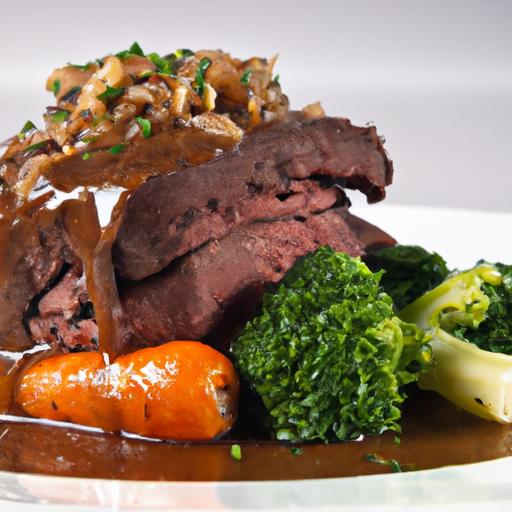






There’s something undeniably magical about slow-braised beef-tender, deeply flavorful, and imbued with a richness that only time can unlock. When it comes to elevating this dish from comforting classic to culinary masterpiece, few names resonate like Gordon Ramsay’s. In this article, we embark on a flavor journey to master Ramsay’s slow-braised beef, exploring the techniques, secrets, and seasonal nuances that transform humble ingredients into a symphony of taste. Whether you’re a seasoned home cook or a curious foodie, prepare to dive deep into the art of slow cooking and discover how patience and precision combine to create a dish that’s as unforgettable as it is indeed delicious.
Mastering Gordon Ramsay’s Slow-Braised Beef technique is an invitation to dive deep into rich, luscious flavors and melt-in-your-mouth textures that transform a humble cut of beef into a culinary masterpiece. This method epitomizes patience and precision, marrying slow, gentle cooking with carefully selected ingredients that layer complexity and heighten every bite.
Prep and Cook Time
- Preparation: 20 minutes
- Cooking: 3 to 4 hours (slow braise)
- Total time: Approximately 4 hours
Yield
- Serves 6 generously
Difficulty Level
- Medium – Requires attention to braising times and layering flavors but accessible to home cooks looking to elevate their technique
Ingredients
- 2.5 lbs (1.1 kg) beef chuck roast, trimmed and cut into 2-inch cubes
- 1 cup all-purpose flour, sifted, for dredging
- 3 tbsp olive oil
- 1 large onion, thinly sliced
- 3 garlic cloves, peeled and lightly crushed
- 2 large carrots, peeled and cut into chunks
- 2 celery stalks, sliced
- 2 sprigs fresh thyme
- 2 sprigs fresh rosemary
- 1 bay leaf
- 4 cups (1 L) rich beef stock, preferably homemade or low-sodium
- 2 tbsp tomato paste
- 1 tbsp Worcestershire sauce
- Salt and cracked black pepper, to taste
Instructions
- Prepare the beef: Pat the beef chunks dry and season generously with salt and pepper. Lightly dredge each piece in the sifted flour, shaking off excess. this step helps to create a beautifully caramelized crust and thickens the braising liquid.
- Brown the beef: Heat 2 tablespoons of olive oil in a heavy-bottomed Dutch oven over medium-high heat. add the beef in batches, ensuring not to crowd the pan, and brown all sides until deep mahogany in color, about 5-7 minutes per batch. Transfer browned beef onto a plate, set aside.
- Sauté the vegetables: In the same pot, add the remaining olive oil. Toss in onions, carrots, celery, and garlic. Sauté gently until the onions are translucent and the vegetables start to soften, roughly 6 minutes. Stir frequently enough to avoid burning.
- build the flavor base: Stir in tomato paste and cook for 2 minutes to deepen its flavor. Then add Worcestershire sauce and mix thoroughly into the vegetables.
- Deglaze the pot: Pour in 1 cup of beef stock and use a wooden spoon to scrape up any browned bits stuck to the bottom – this is flavor gold.
- Combine and simmer: Return the beef to the pot along with the herbs (thyme, rosemary, bay leaf). Pour in remaining beef stock until the beef is nearly submerged.Bring to a gentle simmer, then cover with a tight-fitting lid.
- Slow-braise: Lower the heat to maintain gentle bubbling and braise for 3 to 4 hours, turning the meat and checking liquid levels every hour. The beef is ready when it’s fork-tender, and the sauce has reduced and thickened to a velvety consistency.
- Final seasoning: Remove herbs, adjust salt and pepper.For an extra touch of richness, whisk in a knob of unsalted butter just before serving.
Chef’s Notes & Tips for Success
- Choosing the cut: Beef chuck is ideal for slow braising because its marbled fat melts slowly, infusing the meat with unbeatable tenderness and flavor.
- Patience pays off: Do not rush the braising time; the magic of slow cooking breaks down collagen, producing that signature melt-in-your-mouth texture.
- Make ahead: Slow-braised beef often tastes better the next day – flavors settle beautifully. Reheat gently on low heat, adding a splash of stock if needed.
- Substitutions: If fresh herbs aren’t available, 1 tsp dried thyme and rosemary work well; just add them earlier in the braise.
- Thickening the sauce: If your braising liquid is too thin at the end, stir in a small slurry of cornstarch and water and simmer for 5 minutes to thicken.
- For deeper color: after browning beef, roasting the vegetables for 20 minutes at 375°F (190°C) browns and intensifies flavors before adding to the braise.
Serving Suggestions
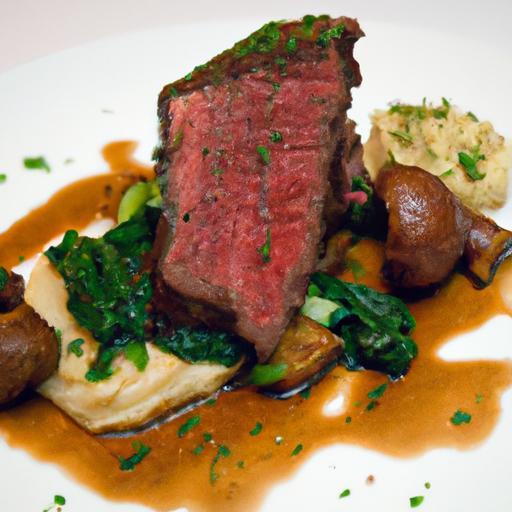
Serve this sumptuous slow-braised beef over creamy mashed potatoes, buttery polenta, or wilted seasonal greens to soak up every drop of the deep, glossy sauce. Garnish with fresh rosemary sprigs or a sprinkle of finely chopped parsley for a burst of freshness and vibrant color. A side of roasted root vegetables or a crisp garden salad complements the rich dish perfectly.

| Nutrient | Per Serving |
|---|---|
| Calories | 450 kcal |
| Protein | 38 g |
| Carbohydrates | 12 g |
| Fat | 25 g |
For more inspiration on robust, slow-cooked beef dishes, check out our Slow Cooked Beef Stew recipe. Also, explore best practices in braising on Bon Appétit’s braising guide, a highly authoritative resource that complements this culinary journey.
Q&A
Q&A: Mastering Gordon Ramsay’s Slow-Braised Beef: A Flavor Journey
Q1: What makes slow-braising Gordon Ramsay’s beef recipe so special?
A1: The magic lies in the gentle, patient cooking process that transforms humble beef cuts into melt-in-your-mouth perfection. Slow-braising breaks down tough fibers, allowing flavors to deeply infuse the meat, resulting in a rich, tender dish packed with complexity and warmth.
Q2: Which cut of beef is ideal for this slow-braising technique?
A2: Opt for tougher cuts like chuck roast, brisket, or shin.These cuts benefit from long, slow cooking that renders connective tissues soft and gelatinous, turning them into luxurious bites bursting with flavor.
Q3: How does the initial searing step contribute to the final dish?
A3: Searing beef creates caramelized, savory crusts through the Maillard reaction, locking in juices and building a deep flavor foundation. This step also adds a visually enticing golden-brown hue, making the dish as appealing to the eye as it is to the palate.
Q4: What aromatics and vegetables enhance the broth in Ramsay’s slow-braised beef?
A4: A classic medley includes onions, garlic, carrots, and celery, providing sweetness and earthiness. Fresh herbs like thyme and bay leaves lend herbal nuances, while a touch of tomato purée adds subtle acidity and richness to the braising liquid.
Q5: Can this dish be made ahead of time? how does it hold up?
A5: Absolutely! Slow-braised beef often tastes even better the next day, as the flavors have more time to meld.Refrigerate and gently reheat, allowing the sauce to thicken – a perfect candidate for make-ahead meals or notable dinner parties.
Q6: What are some creative ways to serve slow-braised beef?
A6: serve it atop creamy mashed potatoes or buttery polenta to soak up the luscious juices. Alternatively, nestle the beef into a crusty artisan bread bowl for a rustic feel, or layer it with roasted root vegetables and fresh greens for a hearty, balanced plate.
Q7: How can I adjust the recipe for dietary preferences without losing flavor?
A7: Enhance the dish with umami-rich ingredients like mushroom broth or roasted vegetables if you want plant-based notes in the braising liquid. Using robust herbs and aromatic spices increases depth without relying on any animal-based flavor boosters beyond the beef itself.
Q8: What’s the biggest tip for ensuring perfectly tender beef every time?
A8: Patience is key. Maintain a gentle simmer, avoid boiling, and cook low and slow until the beef yields easily to a fork.Resist the urge to rush-this slow, loving approach unlocks the dish’s full flavor potential.
Q9: How crucial is the quality of stock in this recipe?
A9: Very important. A well-made beef or vegetable stock elevates the braising liquid, enriching the sauce with savory layers. Using homemade or high-quality store-bought stock will greatly enhance the final taste and texture.
Q10: what kitchen tools help make Gordon Ramsay’s slow-braised beef more approachable?
A10: A heavy-duty Dutch oven or a deep, oven-safe pot with a tight-fitting lid is ideal for even heat distribution and moisture retention. A good chef’s knife for prepping aromatics, and a sturdy spatula or tongs for searing beef, complete the toolkit for this flavor journey.
To Wrap It Up
As the final tender bite melts on your tongue, it becomes clear that mastering Gordon Ramsay’s slow-braised beef is more than just a cooking technique-it’s an invitation to embark on a flavor journey where patience, passion, and precision converge.By embracing the art of slow braising, you unlock the secrets to transforming humble ingredients into a dish that tells a story with every savory note. Whether you’re a seasoned home cook or an adventurous foodie,this recipe offers a delicious reminder: great cooking is as much about the journey as it is the destination. So, roll up your sleeves, ignite your stove, and let each simmering hour draw you closer to a masterpiece worthy of Ramsay himself.