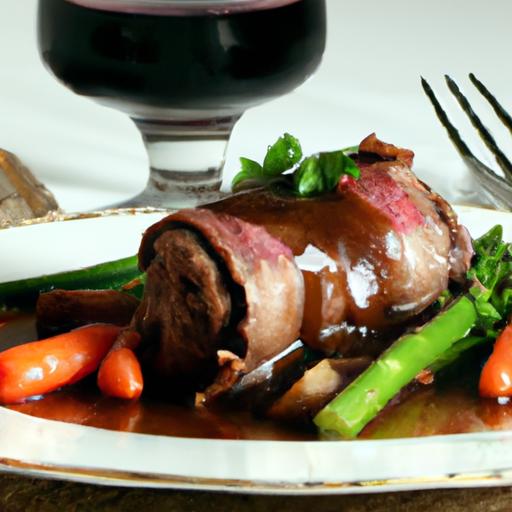



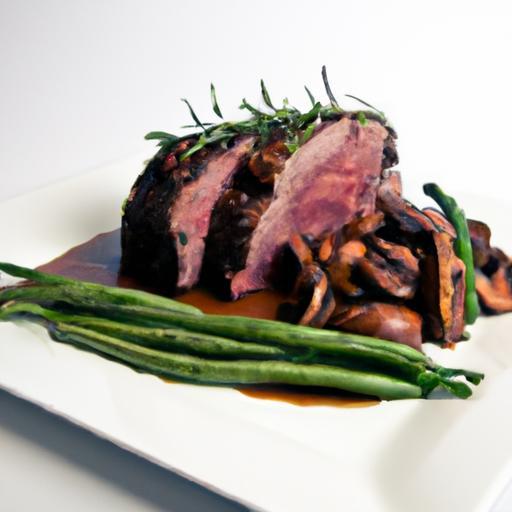

There’s something undeniably magical about slow-braised beef-the way it transforms humble cuts into melt-in-your-mouth perfection, rich with deep, savory flavors. Few chefs embody this culinary alchemy better than Gordon Ramsay, whose recipes elevate slow cooking into an art form. In this tasty guide,we’ll unravel the secrets behind Ramsay’s slow-braised beef,exploring each step that leads too tender,flavorful meat worthy of any fine dining table. Whether you’re a seasoned home cook or an adventurous beginner, mastering this dish promises a rewarding journey into the heart of comfort food done exquisitely well.
Mastering Gordon Ramsay’s slow-Braised Beef: A Delicious Guide
Mastering Gordon Ramsay’s slow-braised beef is an exquisite journey into the heart of British culinary tradition, where patience and premium ingredients unite for remarkable results. This recipe embodies slow cooking magic, transforming humble cuts into melt-in-your-mouth perfection enriched by a deeply aromatic braising liquid. Whether you’re aiming to impress guests or simply savor the comfort of a home-cooked classic, this guide will empower you to create a dish worthy of any fine dining experiance.
Prep and Cook Time
- Readiness: 20 minutes
- Cooking: 3 to 4 hours slow braising
- Total Time: Approximately 4 hours
yield
Serves: 6 generous portions
Difficulty Level
Medium – requires attention but accessible for cooks willing to embrace slow cooking techniques.
Ingredients
- 3 lbs (1.4 kg) beef chuck roast, trimmed and cut into large chunks
- 1 cup all-purpose flour, for dredging
- 3 tbsp vegetable oil or grapeseed oil
- 2 large onions, sliced thinly
- 4 cloves garlic, minced
- 2 large carrots, peeled and chopped into 1-inch pieces
- 2 celery stalks, chopped
- 1 quart (4 cups) beef broth, low sodium
- 1 tbsp tomato paste
- 2 sprigs fresh thyme
- 2 bay leaves
- Salt and freshly ground black pepper, to taste
- Fresh flat-leaf parsley, finely chopped, for garnish
Instructions
- Prepare the beef: Pat the beef chunks dry with paper towels. Generously season with salt and pepper, then dredge each piece in the sifted all-purpose flour, shaking off any excess. This step helps create a rich crust and thickens the braising liquid.
- Brown the beef: Heat vegetable oil in a heavy-bottomed Dutch oven over medium-high heat.Sear the beef in batches, ensuring not to overcrowd the pan. Brown each side until deeply golden, about 3-4 minutes per side. Remove and set aside.
- Sauté the aromatics: In the same pot, reduce heat to medium. Add the sliced onions, chopped carrots, and celery. Cook gently until softened and beginning to caramelize, about 8 minutes. Stir in the minced garlic and cook for 1 minute until fragrant.
- Build the braising liquid: Stir in tomato paste, allowing it to darken slightly for 2 minutes. Pour in the beef broth, scraping the bottom of the pot to release all the flavorful browned bits. Bring the mixture to a gentle simmer.
- Return beef to pot: Nestle the browned beef chunks back into the braising liquid. Add the fresh thyme sprigs and bay leaves. Ensure the beef is partially submerged but not fully drowned-leaving some headroom improves flavor concentration.
- Slow cook: Cover the pot with a tight-fitting lid. Transfer to a preheated oven at 300°F (150°C) and braise for 3 to 4 hours. The beef is ready when it is fork-tender and the sauce is thick and glossy.
- Final touches: Remove the thyme sprigs and bay leaves. Taste and adjust seasoning with salt and fresh black pepper. For a thicker sauce, place the uncovered pot back on the stovetop over medium heat and reduce gently.
- Garnish and serve: Sprinkle with fresh chopped flat-leaf parsley for a vibrant finish just before serving.
Tips for success
- Choosing your cut: Opt for beef chuck or brisket for maximum tenderness and flavor from long slow cooking. Avoid leaner cuts that can dry out.
- Dredging technique: Make sure to evenly coat the beef in flour but shake off excess-this prevents a gummy texture in the braise.
- Don’t rush the browning: Proper caramelization is essential for deep flavor. Patience pays off here.
- Make ahead: This dish tastes even better the next day as flavors meld; simply refrigerate and reheat gently.
- Substitutions: For a gluten-free option, substitute the flour with cornstarch or gluten-free flour blends, adjusting quantities.
- Slow cooker adaptation: After browning, transfer everything to a slow cooker and cook on low for 6-8 hours.
Serving Suggestions
Master the art of plating this slow-braised beef by serving it over creamy mashed potatoes or buttery polenta, which soak up the rich, aromatic sauce beautifully. Roasted root vegetables or a crisp green salad with tangy vinaigrette create the perfect textural contrast. Garnish each plate with a sprinkle of fresh parsley and a few twists of freshly ground black pepper for an inviting and colorful presentation.
For an elevated dining experience, pair with a robust Merlot (for those who do enjoy wine),or a full-bodied non-alcoholic malt beverage to complement the beef’s depth.
| Nutrient | Per Serving |
|---|---|
| Calories | 450 kcal |
| Protein | 38 g |
| Carbohydrates | 18 g |
| Fat | 22 g |

Ready to discover more? Check out our detailed ultimate guide to beef cuts to complement your cooking skills.
Q&A
Q&A: Mastering Gordon Ramsay’s slow-Braised Beef – A delicious Guide
Q1: What makes slow-braising the ideal method for cooking Gordon Ramsay’s beef recipe?
A1: Slow-braising is the secret to transforming a humble cut of beef into a tender, succulent masterpiece. By cooking the meat low and slow in a flavorful liquid, the collagen breaks down gradually, resulting in melt-in-your-mouth textures and deeply infused flavors. Ramsay’s technique ensures every bite is rich, juicy, and comforting.
Q2: Which cut of beef works best for slow-braising in this recipe?
A2: Cuts like chuck roast, brisket, or shin are perfect because they contain enough connective tissue and marbling to become tender during the long cooking process. These affordable,flavorful cuts absorb the braising liquid beautifully,making them ideal candidates for Ramsay’s slow-cooked classic.
Q3: What are the essential aromatics and vegetables to include for enhancing the flavor?
A3: Onion, garlic, carrots, and celery form the aromatic backbone of the braising liquid. Adding fresh herbs such as thyme, rosemary, and bay leaves elevates the dish with earthy, fragrant nuances. These ingredients gently infuse the beef while keeping the flavor profile balanced and vibrant.
Q4: Can I prepare the dish ahead of time?
A4: Absolutely! Slow-braised beef frequently enough tastes even better the next day as the flavors have more time to meld. After cooking, let the beef cool, store it in the refrigerator overnight, and gently reheat before serving. The resting period deepens the complexity and richness of the dish.
Q5: How should I serve the slow-braised beef to highlight its richness?
A5: serve it over creamy mashed potatoes, buttery polenta, or a simple bed of buttered noodles. Steamed greens or roasted root vegetables complement the hearty meat by adding freshness and texture contrast, creating a perfectly balanced plate.
Q6: Are there any tricks to thickening the braising sauce into a luscious gravy?
A6: Yes! After removing the meat and vegetables, simmer the braising liquid uncovered to reduce it and concentrate the flavors.For added silkiness, whisk in a knob of cold butter off the heat. This technique produces a glossy, velvety sauce that beautifully coats each tender slice.
Q7: How important is temperature control during the cooking process?
A7: Maintaining a low, steady temperature is crucial. Braising at gentle heat allows the beef to cook evenly without drying out or toughening. Whether using an oven, stovetop, or slow cooker, aim for a consistent simmer-just below boiling-to unlock the best texture and flavor.
Q8: Can I customize the braising liquid while staying true to Ramsay’s approach?
A8: Feel free to experiment with different broths like beef stock or vegetable stock combined with tomato paste and a splash of balsamic vinegar or soy sauce for umami depth. The key is balancing acidity and sweetness to complement the meat, while not overpowering the natural beefy taste.
Q9: What’s the most common pitfall to avoid when slow-braising beef?
A9: The biggest mistake is rushing the process or cooking at too high a temperature, which can led to tough, dry meat. Patience is essential-embrace the slow simmer and let time work its magic. Also, avoid overcrowding the pot; give the beef enough space to brown well before braising.
Q10: How can I incorporate Gordon Ramsay’s signature flair into this classic dish?
A10: Ramsay’s style shines through in his emphasis on quality ingredients,precise seasoning,and layering flavors.Don’t shy away from searing the beef until deeply caramelized, deglazing the pan with robust broth, and finishing with fresh herbs for brightness. Attention to these details elevates the humble slow-braised beef into an elegant, memorable feast.
To Wrap It Up
As the tender strands of Gordon Ramsay’s slow-braised beef melt effortlessly on your palate, you realize that mastering this dish is more than just following a recipe-it’s an invitation to embrace patience, technique, and the art of slow cooking. With each step carefully demystified and every tip laid out, you now hold the keys to creating a culinary masterpiece that transforms simple ingredients into layers of rich, comforting flavor. So, don your apron with confidence, let the aromas fill your kitchen, and savor the rewarding experience of crafting a dish that’s as comforting as it is impressive. Your journey to mastering ramsay’s slow-braised beef doesn’t end here-it’s only just beginning.