




In the vibrant world of culinary delights, few ingredients ignite the palate quite like gochujang-the bold, fermented Korean chili paste that melds heat, sweetness, and umami into one irresistible spoonful. When transformed into a glaze, gochujang elevates roasted dishes from simple to spectacular, infusing meats, vegetables, and even tofu with a fiery depth that dances on the tongue. This article embarks on a flavorful journey to master the art of gochujang-glazed roasting, uncovering techniques, tips, and recipes that promise to awaken your kitchen with smoky heat and a touch of irresistible Korean flair. Whether you’re a spice aficionado or a curious newcomer, prepare to embrace the rich complexity and vibrant colors of dishes that blaze with every bite.
Exploring the Bold Essence of Gochujang in Roasting Techniques
Fiery flavors: Mastering Gochujang-Glazed Roasted Dishes begins with embracing the vibrant complexity of gochujang-a Korean red chili paste known for its deep umami, smoky heat, and subtle sweetness. This fiery, fermented paste elevates roasting to a new level, fusing caramelized layers with a robust, tangy kick that dances on the palate. Whether you’re roasting tender chicken, hearty vegetables, or succulent pork, gochujang’s boldness withstands and enhances dry heat, creating irresistible glazes that char beautifully without overwhelming.
Balancing heat and sweetness is key when crafting your gochujang glaze: the natural fermented tang works harmoniously with ingredients like soy, honey, and rice vinegar to soften the intensity.Pairing it with aromatics like garlic, ginger, and toasted sesame oil creates a symphony of flavors that complement the roast’s savory character rather than compete with it. Choosing the right cut or vegetables that absorb the glaze-such as bone-in chicken thighs or crisp carrots-helps lock in moisture and flavor.
Prep and cook time
- Readiness: 20 minutes
- Marinating (optional): 1-2 hours
- Roasting: 30-40 minutes
- Total: Approximately 1 hour, 20 minutes (plus marinating)
Yield
Serves 4 hungry guests, perfect for a weeknight dinner or weekend gathering.
Difficulty Level
Medium – Ideal for home cooks familiar with roasting who want to deepen their flavor skills with a bold Asian-inspired twist.
Ingredients
- 1.5 lbs boneless,skin-on chicken thighs (trimmed and patted dry)
- 3 tablespoons gochujang (Korean chili paste)
- 2 tablespoons honey or maple syrup for natural sweetness
- 2 tablespoons soy sauce (low sodium preferred)
- 1 tablespoon rice vinegar to balance richness
- 3 cloves garlic,minced
- 1 teaspoon fresh ginger,grated
- 1 teaspoon toasted sesame oil
- 1 tablespoon vegetable oil for roasting
- Fresh scallions,thinly sliced (for garnish)
- sesame seeds (toasted,for garnish)
- Optional: 1 fresh red chili,thinly sliced,for extra heat
Instructions
- Prepare the Gochujang Glaze: In a medium bowl,combine gochujang,honey,soy sauce,rice vinegar,garlic,ginger,and toasted sesame oil. Whisk thoroughly until smooth and balanced, tasting for sweetness and heat. Adjust honey or vinegar to preference.
- Marinate Chicken: Place chicken thighs in a shallow dish or resealable bag, pour half the glaze over, and coat evenly. Cover and refrigerate for at least 1 hour to develop depth. If short on time, 20 minutes works in a pinch.
- Preheat the Oven: Set to 425°F (220°C) for optimal roasting heat to caramelize the glaze and crisp the skin.
- Prepare the Roasting Pan: Lightly oil a rimmed baking sheet or roasting pan with vegetable oil.Arrange chicken thighs skin-side up, spacing them evenly to encourage airflow and crispiness.
- Roast the Chicken: Roast for 20 minutes uncovered. Then remove from oven and brush with remaining glaze for an intensified flavor coat. Return to oven and roast another 10-15 minutes, or until internal temperature reaches 165°F and skin is deeply caramelized and slightly charred at edges.
- Rest and Garnish: Let chicken rest for 5 minutes to lock in juices. Garnish with sliced scallions, toasted sesame seeds, and optional fresh chili slices for a vibrant, fresh contrast.
- Serve: Pair with steamed jasmine rice or roasted seasonal vegetables for a complete, fiery feast.
Chef’s Notes: Tips for Success
- Balancing sweetness and heat: Gochujang varies from brand to brand in spice level and sweetness. Always taste your glaze before applying. Add more honey if too spicy, or a dash of extra vinegar if too sweet.
- Glaze layering: Applying the glaze twice during roasting-before and midway-creates a luscious, sticky coating that caramelizes beautifully without burning.
- Protein Variations: This glaze excels on pork belly slices, thick-cut salmon fillets, and even firm tofu for vegetarian options.
- Make-ahead: The glaze can be made up to 3 days in advance and refrigerated in an airtight container.Bring to room temperature before use and whisk.
- Roasting tips: Ensure your oven rack is centered for even heat. Use a meat thermometer for perfect doneness without drying out proteins.
Serving Suggestions
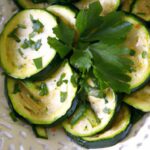
Present the glazed chicken on a rustic wooden board or a sleek ceramic platter, scattering fresh scallions and sesame seeds atop for visual contrast and added aroma. Complement with a side of swift-pickled cucumbers or kimchi to cut through the richness, and a bowl of steamed rice to soak up the vibrant sauce. A crisp green salad dressed in light sesame vinaigrette balances heat and freshness beautifully.

| Nutrient | Per Serving |
|---|---|
| Calories | 360 kcal |
| Protein | 32 g |
| Carbohydrates | 12 g |
| Fat | 18 g |
for further culinary inspiration and to learn about other flavors that complement gochujang, explore our Korean Spices Flavor Profile. To deepen your knowledge of fermented foods and their health benefits, visit the National Center for Complementary and Integrative health.
Q&A
Q&A: Fiery Flavors – Mastering Gochujang-Glazed Roasted Dishes
Q1: What exactly is gochujang, and why is it so special for roasting?
A1: Gochujang is a traditional Korean fermented red chili paste, known for its bold, complex flavor profile-spicy, sweet, savory, and slightly tangy all at once. It’s special for roasting as it caramelizes beautifully under heat, creating a glossy, sticky glaze that locks in moisture and layers each bite with depth and warmth.
Q2: How does gochujang differ from other spicy condiments like sriracha or harissa in cooking?
A2: Unlike sriracha’s straightforward vinegar-infused heat or harissa’s smoky North African spice blend, gochujang offers a fermented richness that builds umami complexity. This fermentation adds a subtle tang and sweetness that balance the fire, making it incredibly versatile-from roasting meats and vegetables to stirring into sauces and dressings.
Q3: What are the best types of dishes or proteins to pair with a gochujang glaze?
A3: Gochujang’s vibrant punch shines on roasted chicken wings, pork belly, salmon, and even roasted root vegetables like sweet potatoes and carrots. Its sweet heat enhances fatty cuts perfectly and adds intrigue to plant-based dishes, making it a go-to for anyone longing for a punch of flavor with a touch of Korean soul.
Q4: Can gochujang glaze be made ahead of time,or is it best applied fresh before roasting?
A4: You can definitely prepare a gochujang glaze ahead-it frequently enough benefits from sitting to meld flavors-but for roasting,it’s best brushed on freshly before the final stage of cooking or midway through roasting. This timing lets the sugars caramelize without burning and forms that crave-worthy sticky crust.Q5: How can beginners control the heat level when using gochujang?
A5: Gochujang can pack a punch, but its heat is incredibly manageable. Start by mixing it with honey,soy sauce,or a mild oil to temper the spice. Taste as you go, and remember, roasting mellows it further. For extra cooling contrast, serve your dish with a cucumber salad or a drizzle of creamy yogurt.
Q6: Any creative tips for elevating traditional roasted dishes with gochujang?
A6: Absolutely! Try mixing gochujang with toasted sesame oil, minced garlic, and a splash of rice vinegar for an irresistible glaze. Or experiment with rubbing it under the skin of a whole bird before roasting for deep, infused heat. Sprinkle finished dishes with toasted sesame seeds and thinly sliced scallions for texture and freshness-the little details that make your gochujang creation sing.
Q7: What’s the cultural significance of gochujang in Korean cuisine,and how does roasting fit into that tradition?
A7: Gochujang is a cornerstone of Korean cooking,reflecting centuries of fermentation expertise and flavor balancing. while traditionally used in stews, bibimbap, and dipping sauces, modern Korean cuisine celebrates roasting as a way to play with texture and depth. using gochujang as a glaze marries tradition with innovation-turning humble roasted dishes into fiery, soulful masterpieces.
Dive into your kitchen with gochujang’s fiery flavors and transform simple roasting into an unforgettable Korean-inspired feast!
in Summary
As the vibrant heat of gochujang continues to captivate taste buds around the world, mastering its use in roasted dishes opens a gateway to bold, unforgettable flavors. Whether you’re glazing tender meats or roasting hearty vegetables, this fiery Korean chili paste transforms simple ingredients into culinary masterpieces bursting with depth and spice. Embrace the art of balancing sweet, savory, and smoky notes, and let gochujang become your secret weapon in the kitchen. With each glaze and roast, you’re not just cooking-you’re crafting an experience that ignites the senses and celebrates the rich tapestry of Korean cuisine. So fire up your oven, grab that gochujang, and let your culinary creativity blaze new trails.