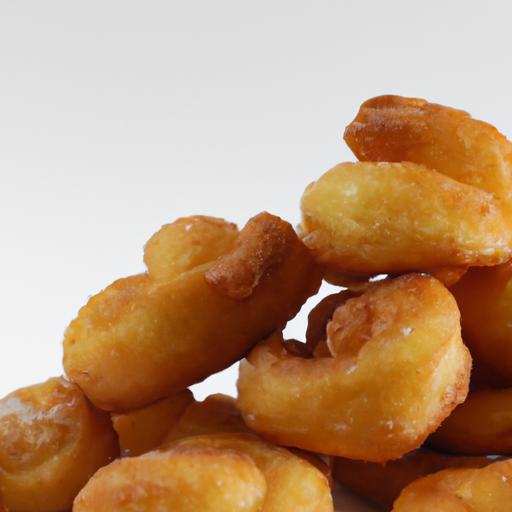



In the heart of North African kitchens, where spices mingle with stories and traditions are baked into every bite, Chebakia cookies emerge as a golden delight cherished across generations. Crispy, honey-glazed, and intricately shaped, these sweet pastries are more than just a treat-they are a symbol of festive times, communal gatherings, and centuries-old culinary artistry. Journey with us into the world of Chebakia, uncovering the rich history, cultural importance, and the meticulous craftsmanship behind these beloved Moroccan treasures that continue to sweeten celebrations and warm hearts around the world.
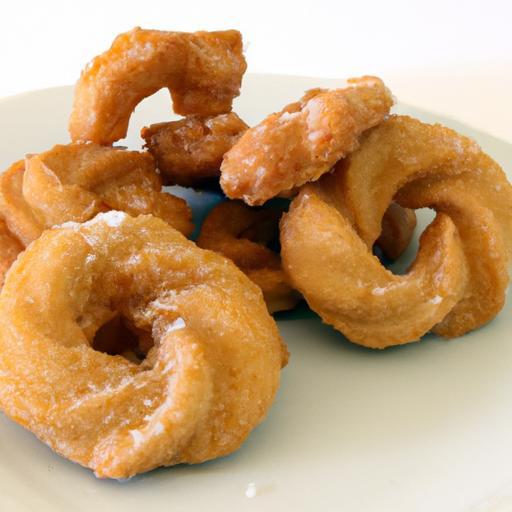
Golden Delight is more than just a cookie; it is indeed a sweet symbol of Moroccan hospitality and party. Chebakia, often lovingly referred to as “the petals of Ramadan,” springs from centuries-old traditions where families gather to craft this intricately shaped treat. It’s deep golden hue and honeyed aroma are instantly recognizable,evoking memories of joyous feasts and the warmth of home. This delight combines fragrant spices, toasted sesame, and the delicate art of frying and soaking in honey-creating a harmony of textures and flavors that is truly unmatched.
Origins and Cultural Significance of Chebakia Cookies
Chebakia’s origins trace back to the Maghreb region, particularly Morocco, where it plays a prominent role during Ramadan and special holidays. Its unique twisted shape is a nod to the beauty of Islamic art and geometric patterns, reflecting the cultural heritage embedded in every bite. Traditionally, mothers and grandmothers pass down the knowledge of making chebakia through generations, making it not just a cookie but a vessel of love and cultural identity. The golden honey glaze symbolizes sweetness in life and the celebration of abundance after a day of fasting.
Traditional Ingredients and the Art of crafting Perfect Chebakia
Each ingredient in this Golden Delight serves a purpose: sesame seeds bring a nutty crunch, while fragrant anise and cinnamon infuse warmth, and orange blossom water imparts a floral subtlety. The dough, enriched with flour, ground almonds, and melted butter, achieves a supple elasticity, essential for the intricate folding and cutting that defines chebakia’s signature shape. Honey, warmed gently with a hint of orange blossom and a sprinkle of sesame, bathes the cookies to lock in moisture and create that irresistible shine.
Prep and Cook Time
- Readiness Time: 30 minutes
- Resting Time: 1 hour
- Cooking Time (Frying & Honey Soaking): 20 minutes
- Total Time: Approximately 1 hour 50 minutes
Yield
Makes approximately 30 chebakia cookies, perfect for sharing with family and friends.
Difficulty level
Medium – Requires some patience and practice to perfect the shaping technique, but the rewarding texture and flavor are well worth it.
Ingredients
- 2 cups all-purpose flour, sifted
- 1/2 cup fine semolina
- 1/4 cup toasted sesame seeds
- 3 tbsp granulated sugar
- 1 tsp ground cinnamon
- 1 tsp ground anise seeds (or crushed fennel seeds)
- 1/4 tsp salt
- 1 tbsp orange blossom water
- 2 tbsp melted unsalted butter
- 1 tbsp walnut oil or vegetable oil
- 1 large egg, lightly beaten
- Warm water (as needed, about 1/4 cup)
- Vegetable oil for frying
- 1 cup honey
- Extra toasted sesame seeds for garnish
Step-by-Step Preparation Tips for Authentic Chebakia Delight
- Combine Dry Ingredients: In a large mixing bowl, whisk together the flour, semolina, toasted sesame seeds, sugar, cinnamon, anise, and salt until evenly blended. This aromatic mixture forms the flavorful base of your dough.
- Add Wet Ingredients: Create a well in the centre, then pour in the orange blossom water, melted butter, walnut oil, and lightly beaten egg. Begin incorporating gently with your fingers or a wooden spoon, gradually adding warm water to form a smooth, pliable dough-soft but not sticky.
- Knead and Rest: Knead the dough on a lightly floured surface for 8-10 minutes until supple and elastic. Cover it with a clean towel and rest for at least one hour to relax the gluten, which aids in rolling and shaping.
- Roll Out and Cut: Divide the dough into smaller portions.Roll each portion thinly with a rolling pin until about 2mm thick. Using a sharp knife or specialized chebakia cutter, cut strips roughly 3 inches long and 1 inch wide. Make 3 to 4 slits in each strip without cutting fully through the ends.
- Shape with Care: To create chebakia’s iconic twisted petal shape,fold the strip over the slits carefully and pinch the center to form a flower-like design. This step is an art-take your time to perfect the technique.
- Heat Oil for Frying: Pour vegetable oil into a deep pan, heating it to medium-high (about 350°F/175°C). Test with a small dough piece – it should sizzle upon contact.
- Fry Until Golden: Fry the shaped chebakia in batches, turning gently for even cooking.Fry until deep golden brown, about 3-4 minutes per batch. Remove with a slotted spoon and drain on paper towels.
- Warm Honey Bath: In a saucepan, gently warm honey with a tablespoon of orange blossom water. Dip each warm chebakia into the honey, allowing the cookie to soak for about 30 seconds to absorb the glaze fully.
- Final Touch: Place each honey-coated cookie on a wire rack and sprinkle with extra toasted sesame seeds for a delicate crunch and visual appeal. Let cool entirely before serving.
Chef’s Notes: Tips for Success
- Temperature Control: Keep your frying oil between 340°F-360°F to ensure an evenly crisp, golden texture without absorbing excess oil.
- Dough Consistency: Adjust the amount of warm water slowly to avoid a sticky dough; the right elasticity makes shaping easier.
- Shaping Practice: If new to chebakia shaping, practice on small dough strips first. Watch tutorial videos for inspiration and technique refinement.
- Make-Ahead: Prepare and fry chebakia in advance, then store in an airtight container at room temperature. Dip in honey just before serving for optimal freshness.
- Ingredient Variations: For a nutty upgrade, finely grind some almonds or walnuts into the dough. Substitute walnut oil with light olive oil if preferred.
Pairing and Serving Suggestions to Elevate Your Chebakia Experience
Serve your Golden Delight alongside traditional Moroccan mint tea steeped with fresh spearmint leaves and lose green tea. The refreshing herbaceousness complements the rich honey sweetness beautifully. For an elegant presentation, layer chebakia on a decorative plate, accented with edible rose petals or a sprinkle of crushed pistachios to add color and texture. Pair with a bowl of fresh dates or dried apricots to enhance the festive mood. This cookie also shines as a delicate companion to a dollop of unsweetened Greek yogurt for those who appreciate balanced contrasts.
| Nutrient | Per Cookie (Approx.) |
|---|---|
| Calories | 160 kcal |
| Protein | 2 g |
| Carbohydrates | 24 g |
| Fat | 6 g |

For more on Moroccan sweets and their cultural roots, visit Ethnic Food Network. to explore another beloved Moroccan treat, check out our Moroccan Almond Briouats recipe.
Q&A
Q&A: Golden delight – The Sweet Tradition of Chebakia Cookies
Q1: What are Chebakia cookies and where do they come from?
A1: Chebakia cookies, also known simply as chebakia, are a traditional Moroccan sweet treat that dazzles with its intricate shape and golden, honey-glazed finish.Originating from Morocco, these cookies are especially popular during Ramadan, where they are served to break the fast, symbolizing hospitality, celebration, and the sweetness of togetherness.
Q2: What makes Chebakia unique compared to other cookies?
A2: Chebakia stands out through its delicate folding technique that creates a flower-like pattern, resembling a golden starburst. The dough is seasoned with fragrant spices like cinnamon and anise, deep-fried to a crisp, then soaked in honey and sprinkled with toasted sesame seeds. this combination creates a perfect harmony of crunchy texture, sticky sweetness, and aromatic warmth.
Q3: What are the key ingredients in Chebakia cookies?
A3: The dough typically includes flour, ground almonds or sesame seeds, anise seeds, cinnamon, orange blossom water, and a pinch of saffron or ground gum arabic for authenticity and flavor depth. Once shaped and fried, the cookies are bathed in honey infused with orange blossom, enhancing their signature taste.
Q4: How is the shaping process done, and why is it meaningful?
A4: Shaping Chebakia is an art form that involves rolling out the dough, cutting it into strips, and then folding and pinching to create a rose or star-like shape. This meticulous process is vital, as it ensures the cookie fries evenly and traps the honey perfectly, resulting in a crispy exterior with a luscious glaze that clings to every fold.
Q5: when are Chebakia traditionally enjoyed?
A5: While Chebakia can be savored year-round, they are most closely associated with Ramadan and Eid celebrations. Offering these sweet cookies during communal gatherings embodies generosity and shared joy. Their rich flavor and celebratory appearance make them a festive highlight in Moroccan households.
Q6: Can chebakia be made vegan or adapted for dietary restrictions?
A6: Traditional Chebakia recipes usually do not include animal products like butter or eggs,as they rely on oil for frying and honey for sweetness. For vegan adaptations, honey can be substituted with agave syrup or date syrup, though purists maintain that honey’s unique texture and flavor are essential to the authentic experience.
Q7: What cultural significance do Chebakia cookies hold?
A7: Chebakia is more than just a cookie-it’s a symbol of Moroccan heritage, hospitality, and the sweetness of life. Preparing Chebakia brings families together, often involving multiple generations passing down the recipes and techniques. Sharing them during Ramadan not only nourishes the body but also strengthens bonds and tradition.
Q8: Are there any modern twists to the traditional Chebakia recipe?
A8: Yes! Some contemporary bakers experiment by adding ingredients like orange zest,ground nuts,or even dipping the cookies in chocolate for an innovative spin. However,the majority hold true to the classic recipe,honoring the delicate balance of spices,shapes,and honey glaze that have enchanted taste buds for centuries.
Q9: How should Chebakia be stored to maintain their freshness?
A9: To enjoy the full crunch and honey glaze, store Chebakia in an airtight container at room temperature. They typically keep well for up to two weeks, making them perfect for preparing in advance during festive seasons. Avoid refrigeration, as moisture can soften their crisp texture.
Q10: Where can one experience authentic Chebakia outside Morocco?
A10: Authentic Chebakia can often be found in Moroccan or North African bakeries and spice markets worldwide, especially in cities with vibrant Moroccan communities. For the adventurous, homemade preparation offers a rewarding way to taste this golden delight and connect with a rich culinary tradition.
Wrapping Up
As the fragrant aroma of honey-drizzled Chebakia lingers in the air, it’s clear that this golden delight is more than just a cookie-it’s a cherished symbol of tradition, celebration, and the sweet bonds shared across generations. Whether enjoyed during festive occasions or as a comforting treat with a cup of mint tea, Chebakia invites us to savor not only its crisp, cinnamon-kissed layers but also the rich cultural heritage it carries. In every bite, the story of time-honored craftsmanship and heartfelt hospitality unfolds, reminding us that sometimes, the simplest sweets hold the deepest significance.