





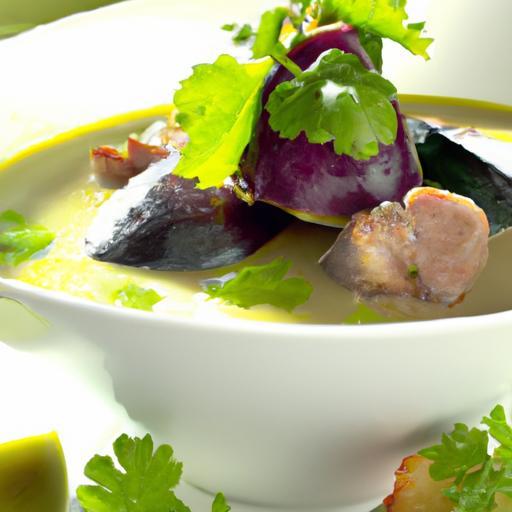

In the vibrant world of culinary exploration, where tradition meets innovation, “Fusion Flavors: Green Curry with Eggplant and Gyeranjjim Delights” invites you on a journey of taste and texture like no other. This article delves into the harmonious marriage of Southeast Asian zest and Korean comfort, blending the aromatic richness of Thai green curry with the silky, steamed goodness of Korean gyeranjjim. Discover how tender eggplant soaks up spicy, herbal notes while fluffy, savory steamed eggs provide a delicate counterpoint, creating a symphony of flavors that celebrate cross-cultural creativity and invite your palate to savor something unexpectedly delightful. Whether you’re a seasoned foodie or an adventurous home cook, these fusion delights promise to inspire your next meal with boldness and balance.
Fusion Flavors: Green Curry with Eggplant and Gyeranjjim Delights
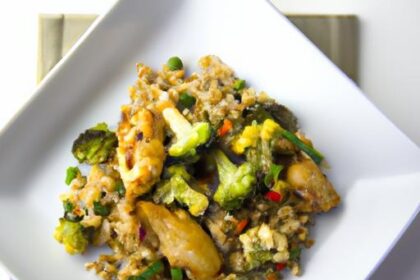
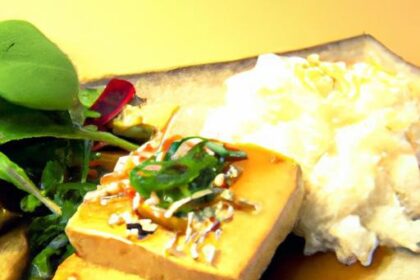
Fusion Flavors: Green Curry with Eggplant and Gyeranjjim Delights beautifully marry the vibrant, aromatic punch of Thai green curry with the delicate, silky texture of Korean steamed egg custard.This recipe journey celebrates the complex layers of spices, fresh herbs, and contrasting textures that inspire confidence and creativity in both seasoned cooks and eager beginners.
prep and Cook Time
- Preparation: 20 minutes
- Cooking: 35 minutes
- Total Time: 55 minutes
Yield
Serves 4 generous portions
Difficulty Level
Medium – Ideal for cooks ready to explore layering flavor and texture with finesse
ingredients
- For the Green Curry with Eggplant:
- 2 tablespoons Thai green curry paste (preferably homemade or high-quality store-bought)
- 1 can (13.5 oz) coconut milk, well-shaken
- 2 medium Japanese eggplants, sliced into 1-inch rounds
- 1 cup bamboo shoots, julienned (optional)
- 200g boneless chicken thighs or firm tofu for a vegetarian option, cubed
- 3 kaffir lime leaves, torn
- 1 tablespoon fish sauce (or soy sauce for vegetarian)
- 1 teaspoon palm sugar or light brown sugar
- 1 small handful Thai basil leaves
- 1 tablespoon vegetable oil
- 1 small red chili, sliced (for garnish)
- For the gyeranjjim (Korean Steamed Egg Custard):
- 4 large eggs
- 1 ½ cups warm water or dashi broth
- ½ teaspoon salt
- 1 teaspoon toasted sesame oil
- Chopped scallions and toasted sesame seeds for garnish
Instructions
- Prepare the Green Curry: Heat 1 tablespoon of vegetable oil in a deep skillet or wok over medium heat. Add the green curry paste and sauté for about 2 minutes until aromatic and slightly darkened, stirring constantly to avoid burning.
- Add Coconut Milk and Aromatics: Slowly pour in the coconut milk, stirring well to incorporate the paste. Bring to a gentle simmer. Tear the kaffir lime leaves and add to the simmering curry for their bright citrus aroma.
- Cook the Protein and Vegetables: Add the chicken or tofu cubes, enjoy the sizzle, and cook gently for 5 minutes. add the sliced eggplant and bamboo shoots, stirring carefully to coat in the sauce. Cover and simmer for 10 minutes until eggplant is tender but not mushy.
- Season the Curry: Season with fish sauce (or soy sauce), and palm sugar, balancing umami, saltiness and sweetness. Adjust seasoning to taste, and stir in Thai basil leaves just before removing from heat for a fresh herbal punch.
- Prepare the Gyeranjjim base: In a medium bowl,beat eggs lightly without frothing. Add warm water or dashi broth and salt, whisk gently until combined. Strain through a fine sieve for a silky texture.
- Cook the Steamed Egg Custard: Pour the egg mixture into a heatproof bowl or earthenware pot. Cover loosely with foil or a lid to trap steam. Bring a pot of water to boil,then place the bowl in a steamer basket. Steam gently over medium-low heat for 15-20 minutes until the custard is just set-jiggly but firm.
- Finish and Garnish: Drizzle sesame oil over the gyeranjjim and sprinkle with chopped scallions and toasted sesame seeds for contrast. Garnish green curry with thinly sliced red chili and fresh Thai basil for vibrant color.
Chef’s Notes: Tips for Success
- eggplant Selection: Opt for Japanese or Thai eggplants as their firmer flesh holds well and absorbs curry flavors beautifully.
- Balancing Spice: Adjust the heat of the curry paste according to your palette. Adding a splash of coconut milk helps mellow intense spice while preserving depth.
- Steaming Technique: Use a gentle simmer for the gyeranjjim to avoid bubbles or curdling. Avoid overheating; slow steaming yields a luscious, velvety custard.
- Make Ahead: Green curry tastes even better after resting for a few hours or overnight. Gyeranjjim is best fresh, but can be gently reheated in a steamer.
- Vegetarian Adaptation: Substitute shrimp or chicken broth for dashi in the egg custard, and replace fish sauce with tamari for a fully vegetarian fusion.
Serving Suggestions
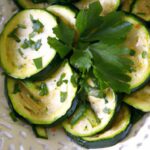
Plate a generous bowl of the vibrant, emerald-hued green curry beside the pure, creamy gyeranjjim for contrast in flavors and textures. Serve with steamed jasmine or sticky rice and a crisp cucumber salad to cool the palate. Garnish with fresh Thai basil, sliced chili, and sesame seeds to enchant eyes and elevate each bite.

| Nutrient | Per Serving |
|---|---|
| Calories | 420 kcal |
| Protein | 28 g |
| Carbohydrates | 12 g |
| Fat | 28 g |
enhance your culinary repertoire by exploring other inspired dishes like Korean Bibimbap with Thai Flavors, a fabulous pairing within the world of fusion cooking.
For a deeper dive into the complex ingredients of thai cuisine, visit Serious Eats’ Green Curry Breakdown for expert insights.
Q&A
Q&A: Fusion Flavors – Green Curry with Eggplant and Gyeranjjim Delights
Q1: What inspired the fusion of Thai green curry with Korean gyeranjjim in this dish?
A1: The inspiration came from a desire to blend the vibrant, aromatic spices of Thai cuisine with the comforting, silky textures of Korean cooking. Green curry’s bold flavors combined with the soft, custardy gyeranjjim create a delightful balance-spicy meets soothing, bold meets delicate.
Q2: How does eggplant contribute to the overall flavor and texture of the green curry?
A2: Eggplant is a superstar in green curry-it soaks up the rich, creamy coconut milk and the tangy, spicy curry paste, becoming tender and luscious. Its slight earthiness grounds the vibrant herbs and chilies, adding depth and a melt-in-your-mouth texture that contrasts beautifully with the silky gyeranjjim.
Q3: Can you explain what gyeranjjim is and why it pairs well with green curry?
A3: Gyeranjjim is a Korean steamed egg custard, light, fluffy, and mildly savory. It acts like a culinary cool-down-a gentle counterpoint to green curry’s heat. When enjoyed together, the gyeranjjim tempers the spice and adds a creamy softness that enhances the overall dining experience.
Q4: what are some tips for achieving the perfect gyeranjjim texture?
A4: Patience and gentle heat are key. Use fresh eggs and whisk them thoroughly with broth for a smooth mixture. Strain the eggs if possible to avoid lumps. Steam gently over low heat or use a double boiler to ensure the custard sets evenly without becoming rubbery-soft,silky,and slightly wobbly is the goal.
Q5: How can home cooks customize this fusion dish to suit their taste preferences?
A5: The beauty of fusion flavors lies in flexibility! Adjust the green curry’s heat by adding more or fewer chilies. Swap eggplant for zucchini or shiitake mushrooms for a different twist. Add fresh herbs like Thai basil or cilantro to brighten the dish.For gyeranjjim, mixing in finely chopped vegetables or seafood can add an exciting textural element.
Q6: Is this dish suitable for vegetarians or vegans?
A6: Absolutely! It’s easy to keep this dish vegetarian by using vegetable broth in both the curry and the gyeranjjim. For vegans, replace eggs with silken tofu or a chickpea flour batter to create a similar custard texture, and ensure the curry paste is free of shrimp paste or fish sauce, opting for plant-based alternatives.
Q7: What makes fusion dishes like this exciting for adventurous eaters?
A7: Fusion dishes invite adventurous eaters to explore new flavor landscapes by bridging culinary traditions. Combining the bold spices of Thai green curry with the soothing charm of Korean gyeranjjim creates a playful dialog on the plate-a chance to savor familiar tastes in unexpected harmony.Q8: What beverage would you recommend pairing with Fusion flavors: Green Curry with Eggplant and Gyeranjjim?
A8: A light, crisp drink works wonders here. Think chilled jasmine tea or a sparkling yuzu soda to refresh the palate between bites. If you prefer wine,a slightly off-dry Riesling or a bright,citrusy Sauvignon Blanc complements the aromatic spice and creamy textures beautifully.
This fusion dish is a culinary love letter to cross-cultural creativity-a harmony of spice, silkiness, and soulful comfort that invites you to take your taste buds on an unforgettable journey.
In Retrospect
As the vibrant aromas of green curry mingle harmoniously with the silky warmth of gyeranjjim, this fusion feast invites you to explore a delightful crossroads of culture and cuisine. By blending the bold, herbaceous notes of Southeast Asia with the comforting, custardy charm of Korean steamed eggs, “Fusion Flavors: Green Curry with Eggplant and Gyeranjjim Delights” not only satisfies the palate but also celebrates the gorgeous possibilities that arise when culinary traditions intertwine. Whether you’re a seasoned foodie or an adventurous home cook, this dish promises a memorable journey-one spoonful at a time. So go ahead, embrace the fusion, and let your taste buds travel to new, tasty destinations.