






In the vibrant world of culinary fusion, where traditions intertwine and flavors embark on adventurous journeys, a delightful new pairing emerges: “Flavors United: Japanese Curry Meets Veggie Japchae Delight.” This inventive dish marries the rich, comforting warmth of Japanese curry with the colorful, healthful elegance of Korean veggie japchae. as spices mingle and textures harmonize, it offers food lovers a unique taste experience that bridges cultures and celebrates the art of flavor blending. Join us as we explore the story,ingredients,and irresistible appeal behind this cross-cultural culinary creation.
Flavors United: Japanese Curry Meets Veggie Japchae delight is an inspired culinary adventure that fuses the rich, aromatic warmth of Japanese curry with the vibrant, textural elegance of vegetable japchae. This dish harmonizes bold spices and delicate textures, inviting you on a flavorful journey that’s as visually stunning as it is palate-pleasing. Originating from two beloved Asian staples-Japan’s comfort curry and Korea’s celebrated japchae-this recipe marries them into an unforgettable experience celebrating spices, vegetables, and noodles in perfect balance.
Prep and Cook Time
- Preparation: 20 minutes
- Cooking: 30 minutes
- Total Time: 50 minutes
Yield
Serves 4 generous portions
Difficulty Level
Medium – perfect for home cooks ready to explore fusion flavors without complexity
Ingredients
- For Japanese Curry:
- 2 tbsp vegetable oil
- 1 medium onion, thinly sliced
- 2 cloves garlic, minced
- 1-inch fresh ginger, grated
- 2 medium carrots, cut into bite-size chunks
- 2 medium potatoes, peeled and cubed
- 1 small apple, grated (adds natural sweetness)
- 3 cups vegetable broth
- 100g Japanese curry roux (store-bought or homemade)
- For Veggie Japchae:
- 150g sweet potato starch noodles (dangmyeon), soaked for 30 minutes and drained
- 1 small carrot, julienned
- 1 red bell pepper, thinly sliced
- 1 cup fresh spinach leaves, washed
- 1 cup shiitake mushrooms, thinly sliced
- 2 scallions, sliced thin
- 3 tbsp soy sauce
- 1 tbsp toasted sesame oil
- 1 tbsp sesame seeds, toasted
- 2 cloves garlic, minced
- Salt and freshly ground black pepper, to taste
Instructions
- Prepare the Japanese curry base: Heat vegetable oil in a large saucepan over medium heat. Add sliced onions and sauté until translucent and lightly golden, about 7 minutes. Stir in garlic and ginger, cooking for 1 minute until fragrant.
- Add carrots,potatoes,and grated apple: cook for 3 to 4 minutes,stirring occasionally to develop sweetness and aroma.
- Pour in vegetable broth: Bring to a simmer, cover, and cook for 15 minutes or until the vegetables are tender.
- Stir in the curry roux: Break the blocks into pieces and add gradually, stirring well until the sauce thickens and coats the vegetables beautifully. Keep warm on low heat.
- Cook the japchae noodles: Bring a large pot of water to boil.Add soaked noodles and cook 6 to 8 minutes until tender but slightly chewy. Drain and rinse under cold water; set aside.
- sauté the japchae vegetables: Heat 1 tbsp sesame oil in a large skillet over medium-high heat.Add garlic and stir briefly to release aroma. Add mushrooms,carrots,and bell peppers; sauté until crisp-tender,about 4 minutes.
- Wilt the spinach and add scallions: Toss in spinach and scallions, cooking just until wilted to preserve color and texture.
- Combine noodles and veggies: Add noodles to the skillet with vegetables.Pour in soy sauce and toss thoroughly so everything is evenly coated.
- Finish with seasoning: Adjust salt and pepper to taste, then sprinkle with toasted sesame seeds just before serving.
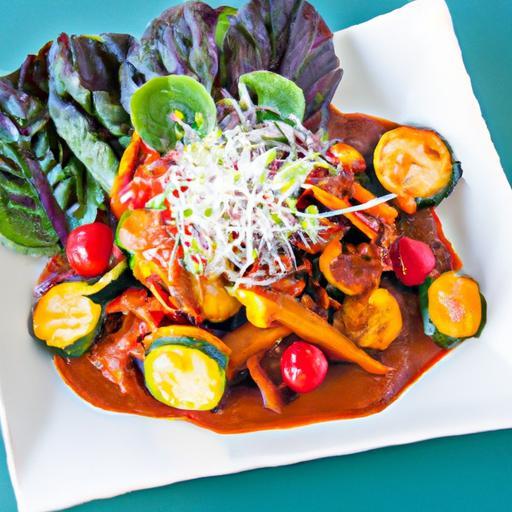
- Plate with care: Spoon a generous bed of the veggie japchae onto each plate, then ladle hot Japanese curry on the side or lightly over the noodles, allowing each bite to reveal layers of flavor and textures.
Tips for Success
- Use fresh, high-quality vegetables for vibrant color and optimal texture in both the curry and japchae.
- If Japanese curry roux is unavailable, you can make a simple roux with butter, flour, curry powder, and garam masala for a custom spice blend.
- do not overcook japchae noodles; they should remain slightly chewy to provide contrast against the soft curry vegetables.
- For a protein boost, add sautéed tofu cubes or edamame alongside the vegetables.
- Make the curry base a day ahead; flavors deepen beautifully overnight.
Serving Suggestions
Plate this fusion feast with a garnish of fresh cilantro or finely sliced scallions for a fragrant lift. Add a small sprinkle of toasted sesame seeds over the curry side to visually tie in the japchae components. For a refreshing contrast, serve with a crisp cucumber salad dressed lightly in rice vinegar and sesame oil. A side of pickled ginger or kimchi also beautifully amplifies the flavors and adds a vibrant tangy crunch.

Nutritional Information (Per Serving)
| Calories | Protein | Carbohydrates | Fat |
|---|---|---|---|
| 420 kcal | 9 g | 65 g | 10 g |
Explore more fusion wonders in our fusion recipes collection and broaden your culinary horizons today.
For deeper insights into the rich spice history of Japanese curry, visit Britannica’s overview on Curry.
Q&A
Q&A: Flavors United - Japanese Curry Meets Veggie Japchae Delight
Q1: What inspired the fusion of Japanese curry with Korean veggie japchae?
A: The idea sprouted from a love of bold, comforting flavors and vibrant textures. Japanese curry’s rich, mellow spice plays beautifully alongside the light, sweet-savory notes of japchae’s stir-fried glass noodles and fresh vegetables. This fusion brings the best of both worlds-warmth and freshness-onto one plate.
Q2: How does the combination of these two dishes enhance the dining experience?
A: Each dish highlights contrasting but complementary qualities. The curry offers a thick,savory sauce that enrobes rice and ingredients with hearty depth,while the japchae adds a chewy,slippery texture balanced by crisp veggies and subtle sweetness. Together, they create a dynamic, layered meal full of intriguing sensations.
Q3: What vegetables work best in this veggie japchae?
A: A colorful medley is key. Think tender spinach, julienned carrots, shiitake mushrooms, bell peppers, and scallions. These vegetables give japchae its signature vibrant appearance and diverse crunch while infusing it with fresh earthiness.
Q4: Can the Japanese curry be made vegan or vegetarian-kind?
A: Absolutely! Traditional Japanese curry roux can be adapted to plant-based versions by using vegetable broth and vegetarian-friendly curry powders or blocks. Adding hearty vegetables like potatoes,onions,and carrots ensures the dish remains deeply satisfying without animal products.
Q5: How should one serve this fusion dish for the best presentation?
A: For a feast to the eyes, serve a bed of fluffy steamed rice partially covered with a ladle of rich Japanese curry.Arrange a vibrant mound of veggie japchae neatly to the side or on top. Garnish with a sprinkle of toasted sesame seeds and thinly sliced green onions to add extra color and aroma.
Q6: What makes Japanese curry distinct from other curry varieties?
A: Japanese curry is known for its mildly sweet,umami-rich flavor with a velvety,thick sauce. Unlike the fiery spices of Indian or Southeast Asian curries, japanese curry focuses on comforting warmth, frequently enough built on a base of sautéed onions, grated apples, and curry powder blended with roux for smooth consistency.
Q7: Is this dish suitable for those new to korean or Japanese cuisine?
A: Definitely! The fusion balances familiarity and novelty. Japanese curry offers cozy, well-rounded flavors that many find approachable, while japchae introduces gentle sweetness and chewy noodles without overwhelming spice, making the combination a delightful introduction to both culinary traditions.
Q8: Are there any tips to perfectly cook the japchae noodles for this recipe?
A: Yes, soak or boil sweet potato starch noodles until just tender but still a bit firm-al dente is ideal. Rinse with cold water to stop cooking and toss with a small amount of sesame oil to prevent sticking. This ensures they maintain the characteristic chewiness japchae is known for.
Q9: How can one customize this fusion dish to suit different dietary preferences?
A: The beauty of this combo is its flexibility. For extra protein, add marinated tofu, tempeh, or even a soft-boiled egg atop the curry. Those avoiding gluten can choose gluten-free curry roux and tamari rather of soy sauce for japchae. Adjust vegetable choices seasonally for freshness and variety.
Q10: What is the best beverage pairing to enjoy alongside this flavorful fusion?
A: Luminous, refreshing non-alcoholic options work wonderfully-think iced green tea with a hint of citrus or a sparkling yuzu soda. Their crispness and light fruitiness invigorate the palate and complement the rich curry and sweet japchae without overpowering the flavors.
This creative Q&A offers a tasty exploration of how Japanese curry and veggie japchae come together to create a harmonious, vibrant dish that celebrates cross-cultural culinary artistry.
The Conclusion
As the enchanting aromas of Japanese curry blend seamlessly with the vibrant textures of veggie japchae, we’re reminded that culinary borders are meant to be crossed and celebrated. “Flavors United” isn’t just a fusion of dishes-its a joyful dialogue between two rich traditions, inviting us to explore new tastes while honoring heritage. Whether you’re a seasoned foodie or a curious cook, this harmonious pairing encourages creativity on the plate and opens the door to endless possibilities. So next time you crave something comforting yet adventurous, let Japanese curry and veggie japchae lead the way to a delightful new chapter in your culinary journey.