





There’s something truly magical about the humble crepe – delicate, thin, and irresistibly versatile. But what if you could elevate this classic treat to new heights of lightness and nutrition without sacrificing flavor? Enter coconut flour, the gluten-free, fiber-packed superstar that’s transforming crepes from ordinary to unusual. In this article, we’ll guide you through the art and science of mastering coconut flour crepes at home, unlocking deliciously light recipes that satisfy both your taste buds and your wellness goals. Ready to flip your crepe game? let’s dive into this tropical twist on a beloved favorite.
Deliciously Light: Mastering Coconut Flour Crepes at Home begins by selecting the ideal coconut flour, which is the cornerstone for achieving tender, delicate crepes with a vibrant hint of natural sweetness. Unlike customary wheat flour, coconut flour absorbs liquid differently and demands careful balancing with eggs and liquids to create the perfect batter.This gluten-free, fiber-rich alternative lends a lovely crumb and subtle tropical aroma that transforms these crepes from simple to stunning.
Prep and Cook Time
- Preparation: 10 minutes
- Cooking: 15 minutes
- Total: 25 minutes
Yield
Makes approximately 8-10 medium crepes
Difficulty Level
Medium: Requires attention to batter consistency and cooking technique for best results.
Ingredients
- 1/2 cup coconut flour, finely sifted for smooth texture
- 4 large eggs, room temperature
- 1 cup unsweetened almond milk (or any plant-based milk)
- 2 tablespoons melted coconut oil, plus extra for the pan
- 1 tablespoon honey or maple syrup (optional, for mild sweetness)
- 1/4 teaspoon salt
- 1/2 teaspoon vanilla extract (optional, for aromatic depth)
Instructions
- Mix Dry Ingredients: In a medium bowl, whisk together the coconut flour and salt. This prevents clumping and ensures even distribution.
- Blend Wet Ingredients: In a separate bowl,beat the eggs thoroughly. Add the almond milk, melted coconut oil, honey, and vanilla extract. Whisk until smoothly combined.
- Combine and Rest Batter: Gradually add the wet ingredients to the dry, stirring continuously to prevent lumps. The batter will be thicker than traditional crepe batter but should still pour easily. Let it rest for 5 minutes to hydrate the coconut flour fully.
- heat Your Pan: Preheat a non-stick skillet or crepe pan over medium heat. Lightly grease with coconut oil using a paper towel to create a thin, even layer.
- Cook the Crepes: Pour about 1/4 cup of batter into the pan, promptly tilting and swirling it to spread evenly into a thin round. Cook for 1-2 minutes until the edges lift easily and the bottom is lightly golden.
- Flip with Care: Using a thin spatula, gently flip the crepe. Cook the other side for an additional 30 seconds to 1 minute, maintaining adaptability without overcooking.
- Keep Warm: Stack cooked crepes on a plate and cover loosely with foil to retain softness as you finish the batch.
Tips for Success
- Select a finely ground coconut flour: Brands vary in texture; finer flour yields smoother crepes.
- Balance is key: Coconut flour’s absorbency means the batter must be more liquid than typical crepe batter-trust the resting period for hydration.
- Cook on medium heat: Too hot and crepes will brown quickly but become brittle, too low and they won’t set properly.
- Use eggs as a binder: They ensure flexibility and structure-avoid egg substitutes unless you experiment for texture.
- Make-ahead batter: Prepare batter and refrigerate for up to 24 hours; stir gently before cooking.
- Troubleshooting: If batter is too thick, add a splash more almond milk; if too thin, sprinkle in a teaspoon of coconut flour at a time.
Creative Filling Ideas to Elevate Your Coconut Flour Crepes
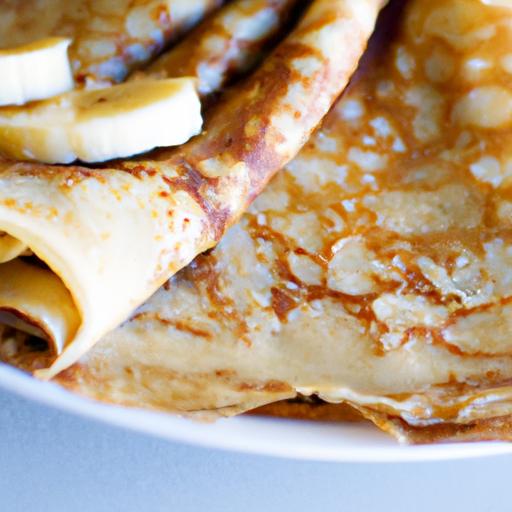
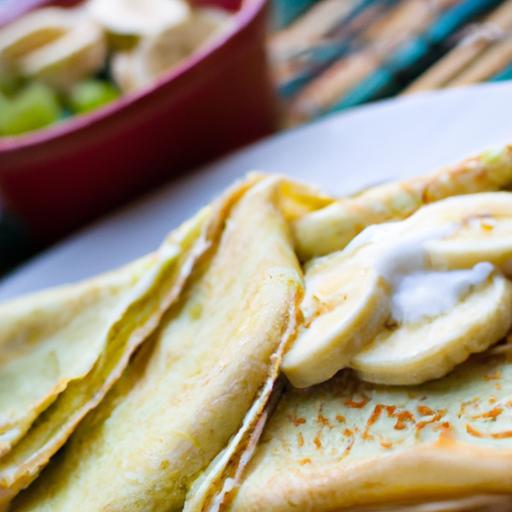
Turning your coconut flour crepes into culinary masterpieces is all about the fillings. For a delicate balance of flavor and texture, try layering fresh berries and a dollop of whipped coconut cream for a refreshing, dairy-free treat. Alternatively, fill crepes with creamy avocado mashed with lime and chili flakes for a savory twist.For something richer, blend ricotta-style almond cheese with lemon zest and honey, then finish with toasted coconut flakes for crunch. Each filling can be paired with vibrant herbs, spices, or a drizzle of natural syrups to heighten contrast and harmony.
Serving Suggestions
- Stack crepes with alternating fillings for a colorful layered presentation.
- Garnish with fresh mint leaves,edible flowers,or a dusting of powdered sugar alternative such as coconut sugar.
- Serve alongside a small bowl of coconut yogurt or homemade fruit compote to add moisture and tang.
- Roll or fold the crepes neatly; tie with a ribbon or skewer with fresh fruit for elegant plating.

| Nutrient | Per Crepe (approx.) |
|---|---|
| Calories | 110 kcal |
| protein | 5 g |
| Carbohydrates | 7 g |
| Fat | 7 g |
For more tips on gluten-free flours, check out our related Gluten-Free Flour Guide. To dive deeper into the benefits of coconut flour and its nutritional profile, consult Healthline’s expert overview.
Q&A
Q&A: Deliciously Light – Mastering Coconut Flour Crepes at Home
Q1: Why choose coconut flour for crepes instead of regular wheat flour?
A1: Coconut flour offers a beautifully light, slightly sweet flavor that elevates the humble crepe to a delightful treat. It’s also naturally gluten-free and rich in fiber, making your crepes not only appetizing but also easier on digestion. Perfect for those seeking a nourishing twist on a classic favorite!
Q2: Coconut flour behaves differently from traditional flours. What should I keep in mind when making crepes?
A2: Absolutely! Coconut flour is highly absorbent, so you need less of it and more liquid than with wheat flour. Expect thicker batter initially, but with enough eggs or milk, it will loosen to a smooth, pourable consistency. Patience is key-you might need to experiment with the ratios to find your perfect balance.Q3: Can I make savory crepes with coconut flour,or are they best suited for sweet dishes?
A3: Coconut flour’s subtle sweetness is wonderfully versatile-you can easily shift from sweet to savory by adjusting your fillings and seasoning. Try a filling of sautéed mushrooms and spinach with a hint of garlic, or a vibrant avocado and tomato medley. The lightness of the crepes ensures the fillings shine without overpowering them.
Q4: How do I prevent my coconut flour crepes from sticking to the pan?
A4: A well-seasoned non-stick skillet or cast iron pan is your best friend here. Start with medium heat and add a touch of coconut oil or butter before each crepe. Pour the batter gently, swirling it quickly to create an even, thin layer. With practise, you’ll develop a feel for the perfect flip-when the edges look set and lightly golden.Q5: any tips for achieving that delicate, lacy texture unique to classic crepes?
A5: Achieving the quintessential delicate crepe texture with coconut flour can be a bit of an adventure! Whisk your batter vigorously to incorporate some air, and let it rest for 10-15 minutes to allow the flour to hydrate fully. Cook on a slightly lower heat than wheat-based crepes to avoid browning too fast and to let that lovely texture emerge.
Q6: Are there particular liquids that work best with coconut flour crepe batter?
A6: Coconut milk is a fantastic choice to enhance the tropical notes, lending extra creaminess.Almond milk or oat milk are lovely plant-based alternatives that keep the batter light without interfering with flavor. For a richer touch, a splash of coconut cream can add silkiness without heaviness.
Q7: How should I store leftover coconut flour crepes?
A7: Stack cooled crepes with parchment paper between each layer to prevent sticking, then wrap tightly in plastic wrap or place in an airtight container.They keep well in the fridge for up to 3 days. When ready to enjoy, warm them gently in a skillet or microwave with a damp paper towel to keep them tender and flexible.
Q8: Can I make the batter ahead of time?
A8: Yes! As coconut flour absorbs moisture as it sits, the batter will thicken over time. If preparing ahead, cover it tightly and refrigerate. Before cooking, stir in a bit more liquid (milk or water) to restore the perfect pouring consistency.
Q9: What creative toppings or fillings complement coconut flour crepes?
A9: The possibilities are endless! Think fresh tropical fruits like mango and pineapple with a drizzle of honey, creamy nut butters with sliced bananas, or a sprinkle of toasted coconut flakes for crunch. For savory cravings, roasted vegetables with creamy avocado or tangy tomato salsa make superb partners.
Q10: Is mastering coconut flour crepes suitable for beginners?
A10: Absolutely! While there’s a slight learning curve as you get to know coconut flour’s unique characteristics,the process is rewarding and straightforward.With a bit of experimentation and patience, you’ll be flipping light, flavorful crepes that impress friends and family alike-no fancy skills required!
the Conclusion
As you wrap your taste buds around these delightfully delicate coconut flour crepes, you’ll discover that lightness doesn’t mean compromising on flavor or fun. Mastering this simple yet extraordinary recipe opens up a world of wholesome creativity in your kitchen, where every fold holds a promise of healthful indulgence. So next time you crave something sweet or savory, reach for coconut flour and let your culinary creativity take flight-because deliciously light can also be utterly unforgettable.