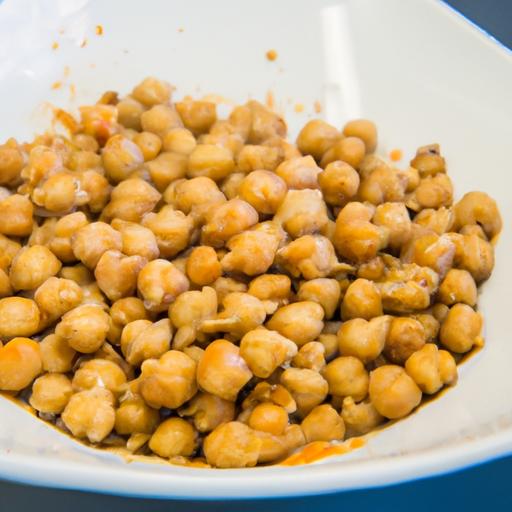

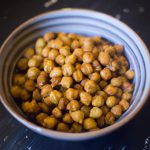

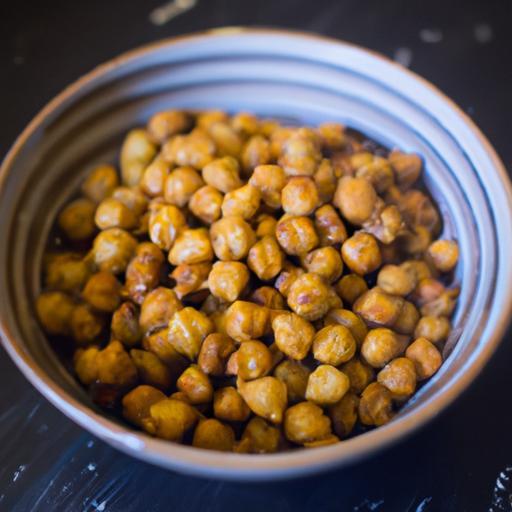

Hidden within the humble legume lies a world of endless potential-transforming from soft and unassuming to irresistibly crispy,golden morsels that tantalize taste buds and ignite the imagination. Fried chickpeas, frequently enough overshadowed by their roasted or boiled counterparts, are a testament to the alchemy of heat, oil, and timing. In “Crunchy Bliss: The Science and Art of Fried chickpeas,” we embark on a flavorful journey exploring how simple ingredients undergo a remarkable change. From the chemistry that creates that perfect crunch to culinary techniques honed across cultures, this article unpacks the secrets behind every crackling bite. Prepare to discover how science meets artistry in a snack that’s as nourishing as it is delightful-a crunchy bliss worth savoring.
Unlocking the Secrets of Crunchy Bliss: Selecting, Frying, and Flavoring Chickpeas
crunchy Bliss begins with understanding the science of texture and flavor transformation that happens when chickpeas meet hot oil. From choosing the perfect variety to mastering heat control and elevating taste with bold seasonings, every step invites you to create irresistibly crispy bites bursting with vibrant flavor. This guide will empower you to fry chickpeas like a seasoned culinary artist and enjoy a snack that’s as elegant as it is satisfying.
Prep and Cook Time
- Preparation: 15 minutes (plus soaking time if using dried chickpeas)
- Cooking: 10-15 minutes
- total time: Approximately 30 minutes (excluding chickpea soaking)
yield
Serves 4 as a snack or appetizer
Difficulty Level
Easy to Medium – Perfect for home cooks ready to experiment with frying techniques and seasoning blends
Ingredients
- 1 ½ cups dried chickpeas (or 3 cups cooked/canned, well-drained and patted dry)
- 2 cups vegetable oil (for frying, peanut or canola oil recommended)
- 1 teaspoon baking soda (optional, for soaking to soften skins)
- 1 ½ teaspoons kosher salt (plus extra for seasoning)
- 1 teaspoon smoked paprika
- ½ teaspoon ground cumin
- ½ teaspoon cayenne pepper (adjust to taste)
- Freshly cracked black pepper to finish
Instructions
- Soak the Chickpeas: Rinse dried chickpeas thoroughly. Place them in a large bowl with cold water, add baking soda, and soak overnight (8-12 hours). This softens the chickpeas and aids in even frying.
- Drain and Dry: After soaking, drain the chickpeas and pat them completely dry using clean kitchen towels or paper towels. Moisture is the enemy of crispiness-ensure they’re bone dry before frying.
- Heat the Oil: Pour vegetable oil into a heavy-bottomed skillet or deep fryer to a depth of 2-3 inches. Heat over medium-high until it reaches 350°F (175°C). Use a reliable thermometer for precise temperature control.
- First Frying Stage: Carefully add chickpeas in batches to avoid overcrowding, which lowers oil temperature. Fry for 3-4 minutes until they begin to get tender but are not yet golden.
- Drain and Cool: Remove chickpeas with a slotted spoon and place them on a wire rack or paper towels to drain excess oil. Let them rest for 10 minutes as they cool down slightly.
- Second Frying Stage: Return chickpeas to the hot oil in batches. Fry for another 2-3 minutes until golden brown and crackling with perfect crunch.
- Season Immediately: While still hot, transfer the chickpeas to a large bowl. Sprinkle with salt, smoked paprika, cumin, cayenne, and freshly cracked pepper. Toss gently to coat evenly for optimum flavor absorption.
- Serve: Present immediately to enjoy the full impact of the crunchy texture and vibrant flavors.
Tips for Success: Embrace the Chemistry for Crunchy Bliss
- choose the Right Chickpeas: Smaller, cream-colored kabuli chickpeas provide a tender interior with a thin skin that crisps beautifully. avoid overly large or old chickpeas, which may yield a dry or tough bite.
- Dry Thoroughly: Even the slightest moisture causes oil splatter and sogginess. After soaking and rinsing, give chickpeas ample drying time to maximize crispiness.
- Double Fry Technique: The two-stage frying process seals moisture inside and creates an evenly crunchy exterior-a method borrowed from classic fried snacks like french fries and tempura.
- Temperature Matters: Keep oil between 340-360°F. Cooler oil leads to greasy chickpeas; hotter oil risks burning before the center cooks.
- season While Hot: Spices stick best when the chickpeas are warm.Experiment with aromatic blends-try za’atar, curry powder, or even a hint of cinnamon and sugar for sweet-savory profiles.
- Make Ahead & Storage: Cooked chickpeas are best enjoyed fresh the same day. To store, cool completely, then keep in an airtight container. Re-crisp in a 350°F oven for 5 minutes before serving.
Serving suggestions: elevate Your Crunchy Bliss Experience
Fried chickpeas make a fantastic standalone snack or a vibrant topping. Sprinkle them over leafy green salads for texture contrast, or add to grain bowls for a protein-packed crunch. Garnish with fresh herbs like chopped parsley or cilantro and a squeeze of lemon juice to brighten the palate. For excited guests, present an array of dipping sauces: creamy tahini, zesty harissa aioli, or cooling cucumber raita. The bold spices and crackling crunch complement everything from Mediterranean fare to casual bar snacks,bringing an irresistible burst of flavor to every bite.

| Nutrient | Per 1/4 cup serving |
|---|---|
| Calories | 160 |
| Protein | 7g |
| Carbohydrates | 20g |
| Fat | 7g |
For a deeper dive into complementary Mediterranean spices, check out our Mediterranean Spice Blends Guide. To understand more about the science of frying oil, ScienceDaily offers excellent insights on oil behavior at high temperatures.
Q&A
Q&A: Crunchy Bliss – The Science and Art of Fried Chickpeas
Q1: What makes fried chickpeas so addictively crunchy and flavorful?
A1: The crunch of fried chickpeas is a delightful interplay of moisture loss and Maillard reaction magic. When chickpeas are fried, their surface moisture evaporates rapidly, creating a crispy outer shell. Concurrently, the Maillard reaction-a chemical process between amino acids and sugars-develops rich golden hues and complex, nutty flavors that transform humble legumes into irresistible snacks.Q2: Can anyone easily fry chickpeas at home, or is it a culinary challenge?
A2: Absolutely! Frying chickpeas at home is both approachable and rewarding. The key lies in drying the chickpeas thoroughly before frying to avoid oil splatters and ensure maximum crispness. Whether using canned or soaked dried chickpeas,seasoning after frying helps preserve the crunch and allows for an artful harmony of spices.
Q3: What types of chickpeas work best for frying?
A3: Both dried and canned chickpeas can be fried successfully, but each yields a different texture. Dried chickpeas, once soaked and dried, offer a firmer, less soggy crunch. canned chickpeas are convenient and faster, but they need to be patted dry thoroughly to prevent oil spitting and sogginess. Choosing a smaller, rounder variety frequently enough leads to more uniformly crispy results.
Q4: Is frying the only way to achieve that perfect crunchy texture?
A4: While frying is the classic method for instant crunch, roasting chickpeas in an oven with a drizzle of oil can also produce a delightful crispness with less oil involved. The difference lies in the texture: frying typically results in a shinier,more blistered crust,while roasting often brings a drier,nuttier bite. Both methods celebrate the versatile crunch of chickpeas in different ways.
Q5: How do spices and seasonings interact with fried chickpeas?
A5: Spices cling beautifully to fried chickpeas because their tiny, crispy surfaces offer just enough toothiness to hold powders and granules. From smoky paprika and cumin to fiery chili powder or tangy sumac, seasoning elevates the snacking experience into a canvas of cultural flavors. Adding seasoning immediately after frying, while the chickpeas are still warm and lightly oiled, ensures each bite bursts with character.Q6: What are some creative uses for fried chickpeas beyond snacking?
A6: Fried chickpeas are incredibly versatile-they make crunchy salad toppers, add texture to grain bowls, and provide a protein-packed garnish for soups or stews. Scatter them over roasted vegetables for an unexpected crunch or blend them into spicy chutneys and relishes. Their resilience and flavor complexity inspire both casual munching and gourmet experimentation.
Q7: Why are chickpeas such a popular choice for frying compared to othre legumes or nuts?
A7: Chickpeas offer a delightful balance of size, shape, and flavor that make them ideal for frying. Their natural nuttiness amplifies with heat, and their firm structure holds up well to intense cooking without turning mushy. Unlike some nuts that can burn easily, chickpeas tend to brown more evenly, delivering consistent crunch with a wholesome legume twist.
Q8: What scientific tips ensure perfectly crunchy fried chickpeas every time?
A8: For foolproof crunch, start with thoroughly dried chickpeas; moisture is the enemy of crispness.Maintain medium-high oil temperature (around 350°F/175°C) to prevent greasy absorption but avoid burning. Fry in small batches to keep oil temperature stable, and drain on a wire rack rather than paper towels to maintain crispness. Lastly,seasoning while warm helps spices adhere and enhances flavor retention.
Q9: Can fried chickpeas be stored, or do they lose their crunch quickly?
A9: Fried chickpeas keep best stored in airtight containers at room temperature, away from humidity. They can stay crisp for several days, but exposure to air and moisture will eventually soften them. To revive a little lost crunch, a speedy zap in a hot oven or toaster oven can crisp them up again, preserving that addictive texture.
Q10: What inspires the “art” side of frying chickpeas?
A10: Beyond the science, frying chickpeas is a sensory art-selecting vibrant spices, experimenting with infused oils, and balancing textures. It invites creativity in layering flavors, from sweet and spicy blends to herbaceous and tangy twists. The art lies in transforming simple legumes into a vibrant, crunchy expression of culture, taste, and heartfelt craftsmanship.
Final Thoughts
From the first tantalizing crunch to the subtle warmth of toasted spices, fried chickpeas embody a perfect marriage of science and art. Behind their irresistible texture lies a precise dance of heat, timing, and technique-a culinary alchemy that transforms humble legumes into crunchy bliss. Whether enjoyed as a snack, salad topper, or flavor-packed garnish, these golden nuggets remind us that even the simplest ingredients can yield exceptional pleasures when approached with curiosity and care. So next time you savor that satisfying pop of fried chickpea, remember: it’s not just a bite, but a celebration of nature and craft coming together in perfect harmony.