



In the art of plating, texture is the secret ingredient that transforms a dish from simply delicious to unforgettable. Enter the crispy tuile garnish-a delicate, golden lace of crunch that adds both visual elegance and a satisfying snap to any culinary creation. These thin, wafer-like crisps, often kissed with subtle hints of sweetness or savory spices, are more than just decorative accents; they are flavor conveyors and textural champions. In this article, we’ll explore how mastering the craft of tuile-making can elevate your dishes, turning ordinary plates into culinary masterpieces brimming with crunchy flair.
Crispy tuile garnishes are the quintessential way to add delicate crunch and artistic flair to any plate, transforming a simple presentation into an edible masterpiece. Originating from French patisserie, tuiles-named after their resemblance to roof tiles-strike a perfect balance between art and science. Mastering these thin,wafer-like crisps requires not only precision in ingredient selection but also a keen understanding of shaping and baking techniques that elevate your culinary creations thru texture and elegance.
Prep and Cook Time
- Planning: 10 minutes
- Cooking: 8-10 minutes per batch
- Total Time: Approximately 30 minutes
Yield
- About 12-15 tuiles, depending on size and thickness
difficulty Level
- Medium: Requires attention to timing and shaping but suitable for confident beginners and seasoned cooks alike
Ingredients
- 1/2 cup all-purpose flour, sifted
- 1/2 cup granulated sugar
- 1/4 teaspoon fine sea salt
- 2 large egg whites, at room temperature
- 4 tablespoons unsalted butter, melted and cooled
- 1 teaspoon pure vanilla extract
- Zest of 1 lemon (optional, for a fresh citrus note)
Instructions
- Preheat your oven to 350°F (175°C). Line a baking sheet with a silicone baking mat or parchment paper for even cooking and easy removal.
- in a medium bowl, combine the sifted flour, granulated sugar, and sea salt. Stir until evenly mixed.
- In another bowl, gently whisk egg whites just until frothy-no peaks needed.
- Slowly pour melted butter and vanilla extract into the egg whites, whisking continuously to incorporate without cooking the eggs.
- Fold the dry ingredients into the wet mixture, then add lemon zest if using. Stir gently to form a smooth, spreadable batter.
- Spoon about a tablespoon of batter per tuile onto the lined baking sheet, spacing them 2-3 inches apart to allow spreading.
- Using the back of a spoon or offset spatula, quickly spread each drop into a thin, even oval or circle, about 3 inches wide.
- Bake for 8-10 minutes or until the edges turn golden brown but not burnt. Keep a close eye during the final minutes to avoid overcooking.
- Remove the baking sheet from the oven, working quickly while tuiles are pliable. Use a rolling pin, wine bottle, or curved surface to shape tuiles as desired (e.g., curved over a bowl for a whimsical cup or folded into arches).
- Allow shaped tuiles to cool completely on a wire rack to firm up and achieve that signature crisp texture.
Tips for Success
- Ensure your butter is fully cooled but still liquid when mixing to prevent scrambling the egg whites.
- work fast when shaping to mold the tuiles while warm and flexible; they harden quickly once cooled.
- For a nutty twist, try folding in finely chopped toasted almonds or sesame seeds after making the batter.
- If your tuiles crack during shaping, reduce thickness slightly or adjust oven time to avoid overbaking.
- Tuile batter can be refrigerated for up to 24 hours; stir gently before using for best results.
Creative Pairings and Presentation Tips for Crispy Tuile Garnishes
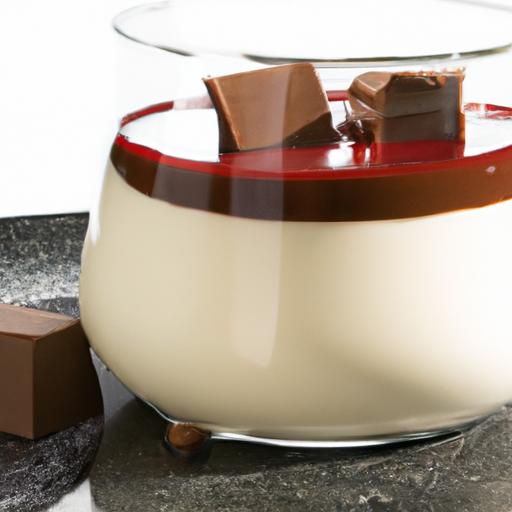
The allure of crispy tuile garnishes extends far beyond their texture. They add a graceful touch to desserts such as panna cotta, mousse, or sorbet, providing a contrast that delights the palate. Consider pairing lemon-zested tuiles with fresh berries and whipped cream for a vibrant summer presentation. For savory twists, create herb-infused tuile batters with rosemary or thyme to complement roasted vegetables or mild cheeses.
Use tuiles as edible spoons for light dips or as delicate canapés bases. Play with their shapes-roll them into cones to hold mousses or cut into elegant shards for a refined centerpiece. Their golden hue and crisp texture provide a stunning visual and textural counterpoint on both minimalist plates and lavish spreads.
| Nutrient | Per Tuile (approx.) |
|---|---|
| Calories | 45 kcal |
| Protein | 1 g |
| Carbohydrates | 6 g |
| Fat | 2.5 g |
Elevate your culinary artistry by incorporating crispy tuile garnishes to enrich the sensory experience of your dishes. For detailed techniques on shaping and creative plating ideas, visit our Creative Plating Techniques article.
Learn more about the science of baking and browning reactions at Science of Cooking, a trusted resource to deepen your understanding of culinary chemistry.

Q&A
Q&A: Crispy Tuile Garnishes – Elevate Plates with Crunchy Flair
Q1: What exactly is a tuile, and why is it considered a garnish rather than a main component?
A1: A tuile is a thin, crisp, delicate biscuit or wafer often shaped while warm, lending an elegant crunch to dishes.It’s a garnish because it’s designed to complement and enhance the main elements on the plate-adding texture, visual interest, and a subtle flavor accent without overwhelming the primary ingredients.
Q2: What types of ingredients are typically used to make a tuile?
A2: customary tuiles start with a simple batter of flour,sugar,butter,and egg whites,creating a neutral canvas. From there, culinary creativity shines through with additions like finely ground nuts (almonds, hazelnuts), seeds (sesame, poppy), spices (cinnamon, cardamom), citrus zest, or even cheese powders-each choice lending a unique crunch and flavor profile.
Q3: How do you achieve that signature thin and perfectly crispy texture in a tuile?
A3: The secret lies in spreading the batter paper-thin on a silicone mat or parchment-lined baking sheet before baking at a moderate temperature. Timing is key-overbake, and it turns bitter and crumbly; underbake, and it remains chewy. Cooling is just as important-once out of the oven, the tuile crisps up as it cools, locking in that satisfying snap.
Q4: Can tuiles be shaped into forms beyond flat discs? How?
A4: Absolutely! While still warm and pliable, tuiles can be gently molded over rolling pins, curved molds, or even laid into small cups to create elegant waves, curls, or bowls. This molding adds a sculptural element to plating, instantly transforming a simple garnish into a captivating centerpiece.
Q5: What types of dishes benefit most from the addition of a crispy tuile garnish?
A5: Tuiles are wonderfully versatile. They bring crunch to smooth elements like creamy soups, velvety purees, or soft desserts such as panna cotta and mousse. On savory plates, their delicate crispness contrasts beautifully with tender proteins or vegetables, creating a layered eating experience that surprises and delights.
Q6: How can you customize tuiles to suit sweet or savory dishes without changing the basic technique?
A6: The beauty of tuile batter is its flexibility. For savory bites, incorporate finely grated hard cheeses like Parmesan or herbs such as thyme and black pepper. For sweet creations, add vanilla, citrus zest, or a dusting of cinnamon and sugar. Experimenting with mix-ins is easy since the fundamental method-thin spreading and baking-remains unchanged.
Q7: Are there practical tips for storing leftover tuiles to maintain their crispness?
A7: Definitely! Store tuiles in an airtight container at room temperature to prevent moisture absorption, which can make them soggy. Layer them between sheets of parchment paper if stacking to avoid breakage. They’re best enjoyed fresh but can keep their snap for a few days when properly stored.
Q8: Can tuiles be made ahead for event plating or busy dinner services?
A8: Yes, and it’s a smart move! Preparing tuiles in advance allows for stress-free plating during service. just keep them airtight and crisp, and when ready, quickly warm gently if needed to refresh their aroma-but avoid reheating in high heat to prevent burning.
Q9: Beyond traditional sweet tastes, what unexpected flavor combinations can inspire innovative tuile garnishes?
A9: Think bold and playful: rosemary with sea salt, black sesame with a hint of chili, or coconut with lime zest. Even incorporating finely ground roasted vegetables or grains can add an earthy dimension, making tuiles a versatile partner for modern, adventurous cuisine.
Q10: How does incorporating tuiles into plating influence the diner’s sensory experience?
A10: Tuiles engage the senses beyond taste-they provide a striking visual accent with their delicate, frequently enough artistic shapes, a satisfying crunch that contrasts other textures, and subtle aromatic hints reflecting their ingredients.This multi-sensory impact makes each bite memorable and elevates even the simplest dishes into refined culinary art.
Elevate your plates one crisp bite at a time-tuiles transform textures, add artistry, and bring a delicate crunch that dances on the palate and the eye alike.
The Conclusion
In the world of culinary artistry, crispy tuile garnishes are more than just decorative accents-they’re a symphony of texture and elegance that transform every dish into a multisensory experience. Whether delicately perched atop a velvety dessert or framing a savory plate, these golden, lace-like crisps bring a delightful crunch that captivates both the eye and palate. By mastering the art of tuile-making, chefs and home cooks alike can elevate their presentations, adding that elusive touch of sophistication and whimsy. So next time you seek to impress with flair and texture, remember: a simple tuile might just be the crunchy crown your creation deserves.