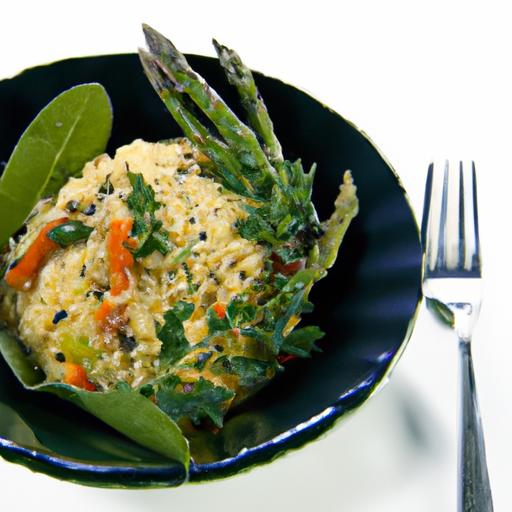






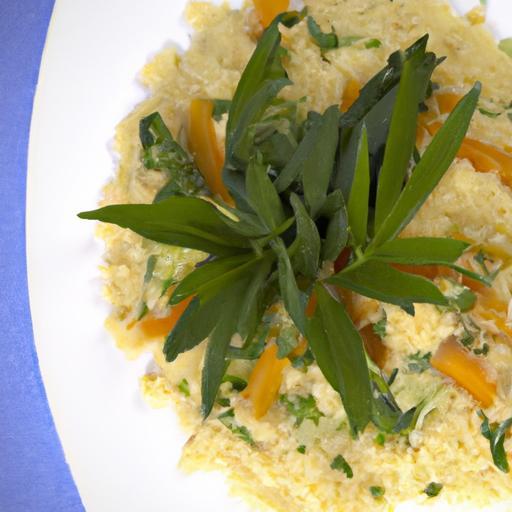

In the vibrant world of culinary traditions,few dishes embody harmony and celebration quite like couscous. But when paired with a medley of seven distinct vegetables,this humble grain transforms into a symphony of flavors,colors,and textures that tell a story of culture,nutrition,and creativity. Welcome to the enchanting realm of “Couscous Harmony: Exploring the Magic of Seven Vegetables,” where each vegetable plays its part, weaving together a tapestry of taste that delights the senses and nourishes the soul. Join us as we unravel the secrets behind this iconic dish, discovering how seven simple ingredients come together to create a culinary masterpiece celebrated across generations and continents.
Couscous Harmony: Exploring the Magic of Seven Vegetables
Couscous harmony begins with the vibrant dance of seven fresh vegetables, each bringing its unique colour, texture, and nutrition to this beloved North African dish. Originating from the bustling markets of Morocco and Tunisia, this recipe celebrates the art of blending wholesome ingredients in perfect balance, transforming simple couscous into an unforgettable feast for the senses. As a Culinary Content Creator and food Stylist, I’ve always been enamored by how these vegetables harmonize-both visually and gastronomically-to create a dish that’s as nourishing as it is visually stunning.
Prep and Cook Time
- Planning: 20 minutes
- Cooking: 30 minutes
- Total Time: 50 minutes
Yield
Serves 4 generous portions
Difficulty Level
Medium – approachable for any confident home cook with a bit of spice blending practice
Ingredients
- 1 cup couscous (medium-grain, preferably Moroccan)
- 1 1/4 cups vegetable broth (warm)
- 1 medium zucchini, diced
- 1 medium carrot, sliced into thin rounds
- 1 small eggplant, cubed
- 1 red bell pepper, chopped
- 1 yellow bell pepper, chopped
- 1 cup cherry tomatoes, halved
- 1/2 cup chickpeas, cooked or canned, drained
- 3 tbsp olive oil
- 1 tsp ground cumin
- 1 tsp ground coriander
- 1/2 tsp smoked paprika
- 1/4 tsp cinnamon
- 1/2 tsp turmeric
- 1 clove garlic, minced
- Salt and freshly ground black pepper, to taste
- Fresh parsley and mint, chopped for garnish
- Juice of half a lemon
Instructions
- Prepare the couscous base: pour the warm vegetable broth over the couscous in a large bowl, stir once, then cover tightly with a lid or plastic wrap. Let it steam for 10 minutes until fluffy. Fluff gently with a fork to separate grains.
- Sauté the vegetables: Heat 2 tablespoons of olive oil in a large skillet over medium heat. Add the minced garlic and sauté for 30 seconds until fragrant.
- Add the firmer vegetables: Toss in the diced carrot,eggplant,and bell peppers. cook for about 8 minutes, stirring occasionally, until they begin to soften and achieve a delicate caramelization.
- Incorporate the spices: sprinkle cumin, coriander, smoked paprika, cinnamon, turmeric, salt, and pepper over the vegetables. Stir well to coat evenly, allowing the spices to bloom for 2 minutes.
- Add zucchini and tomatoes: Toss in the zucchini and cherry tomatoes along with the chickpeas. Continue to cook for another 5-7 minutes until all vegetables are tender but still retain some bite. Adjust seasoning as needed.
- Combine couscous and veggies: Transfer the cooked vegetables into the bowl with the fluffed couscous. Drizzle remaining tablespoon of olive oil and fresh lemon juice over the mixture. Gently fold everything together to meld flavors without crushing the couscous.
- garnish and serve: Sprinkle chopped parsley and mint over the top for a burst of freshness and visual vibrancy. Serve warm or at room temperature.
Tips for Success: Perfecting Your Couscous Harmony
- vegetable selection: Choose firm, vibrant vegetables with varying textures to create contrast. Freshness is key for both flavor and nutrition.
- Spice balance: Toast whole spices lightly before grinding for an even deeper flavor profile if preferred.
- moisture control: Avoid overcooking vegetables to prevent them from becoming mushy while keeping couscous light and fluffy.
- Make ahead: Prepare couscous and veggies separately in advance; combine just before serving for optimal texture.
- Variations: Swap chickpeas for tender lentils or add a handful of toasted almonds or pine nuts for crunch and richness.
Creative Serving Suggestions to Elevate Your Seven Vegetable Couscous Experience
Offering a vibrant feast on your plate, presentation complements the dish’s complex flavors perfectly. For an elegant touch, serve the couscous harmony nestled inside halved roasted bell peppers or atop a bed of tender arugula leaves.Garnish with edible flowers or a drizzle of harissa-infused olive oil for a gentle kick. Pair with a side of creamy hummus or a refreshing cucumber-yogurt raita to balance the spices and add a cool contrast. This colorful dish shines beautifully on rustic ceramic plates, accentuating its earthy warmth and inviting all to share in its enchanting flavors.
| Nutrient | Per Serving |
|---|---|
| Calories | 320 kcal |
| Protein | 9 g |
| Carbohydrates | 52 g |
| Fat | 7 g |
| Fiber | 8 g |
Discover more wholesome couscous recipes in our Mediterranean Couscous Salads collection. For an in-depth look at couscous varieties and history, explore this Britannica article.

Q&A
Q&A: Couscous Harmony – Exploring the Magic of Seven Vegetables
Q1: What inspired the concept of “Couscous Harmony” featuring seven vegetables?
A1: The idea behind “Couscous Harmony” is rooted in celebrating the vibrant symphony of colors, textures, and flavors that a medley of seven carefully chosen vegetables can bring to this beloved North African dish. Each vegetable plays a unique role, contributing to a balanced melody of taste and nutrition that transforms couscous into a feast for the senses.
Q2: Which seven vegetables are commonly featured in this couscous harmony, and why?
A2: The traditional seven-vegetable ensemble typically includes carrots, zucchini, turnips, pumpkin, tomatoes, onions, and chickpeas. These vegetables not only offer a gorgeous visual palette but also create layers of sweetness, earthiness, and subtle spice.Their varied cooking times and textures, from tender zucchini to hearty chickpeas, build a complex yet harmonious dish.
Q3: How do these vegetables affect the overall flavor profile of couscous?
A3: Each vegetable contributes its own note: carrots bring natural sweetness; turnips add a slight peppery bite; pumpkin offers a mellow richness; tomatoes infuse acidity and brightness; onions provide depth and caramelized warmth; zucchini adds a gentle freshness; and chickpeas lend a creamy, nutty dimension. Together, they create a balanced flavor symphony that is deeply satisfying.
Q4: What cooking techniques enhance the harmony of these vegetables in couscous?
A4: The magic unfolds through layering and timing. Vegetables are often sautéed or gently steamed separately to preserve their textures, then simmered together in spiced broth to infuse flavor. Slow cooking allows the ingredients to mingle while retaining their integrity. fluffy couscous is steamed to light perfection and combined with the vibrant vegetable stew for an unforgettable union.
Q5: How can someone add their personal touch to the traditional seven-vegetable couscous?
A5: Creativity thrives in the kitchen! Herbs like cilantro or parsley can add brightness, while a dash of spices such as cumin, coriander, or smoked paprika can deepen the flavor. For an extra crunch, toasted almonds or pine nuts can be sprinkled on top.Swapping one vegetable for a seasonal choice, like sweet potato or eggplant, also personalizes the dish while staying true to its harmonious spirit.
Q6: What cultural significance does the seven-vegetable couscous hold?
A6: In many North African cultures, couscous is more than a meal-it’s a communal celebration of abundance and togetherness.The seven vegetables symbolize balance, health, and tradition, reflecting a respect for nature’s bounty. Sharing this dish connects people through heritage, storytelling, and the joy of collective nourishment.
Q7: Is couscous harmony suitable for various dietary preferences?
A7: Absolutely! This vegetable-centered couscous is naturally vegetarian and vegan, making it inclusive and nourishing for many lifestyles. It’s also gluten-kind if prepared with gluten-free couscous alternatives like millet or quinoa. Its versatility allows it to shine in both casual family dinners and festive gatherings.Q8: What are some tips for preparing couscous harmony to ensure maximum flavor and texture?
A8: start by selecting fresh, high-quality vegetables for vibrant taste. Don’t rush the cooking process-allow each vegetable to soften just enough to release its essence without turning mushy. Use rich, fragrant stock or broth to elevate the dish. fluff the couscous with a fork and allow it to steam fully before mixing, ensuring lightness that contrasts beautifully with the hearty vegetable stew.
Concluding Remarks
As we close the chapter on the vibrant world of couscous and its enchanting dance with seven vegetables, it becomes clear that this dish is more than just a meal-it’s a celebration of nature’s bounty and culinary harmony.Each vegetable brings its own color,texture,and story,weaving together a tapestry of flavors that invite you to savor every bite. Whether enjoyed at a festive gathering or a quiet family dinner, couscous with seven vegetables reminds us that magic often lies in the simple blending of wholesome ingredients. So next time you prepare this timeless dish, take a moment to appreciate the subtle symphony playing on your palate-a true tribute to the beauty of balance and the joy of shared tradition.