





There’s a quiet elegance in the way colors intertwine, textures merge, and flavors unfold within a single slice of vegetable terrine. This culinary masterpiece, often overlooked amidst more flamboyant dishes, is a vibrant festivity of nature’s bounty transformed into edible art. The vegetable terrine is more than just a dish-it’s a layered symphony where each vegetable plays it’s own note, creating a harmonious balance that delights both the eyes and the palate. In this article, we will explore the history, techniques, and creative possibilities behind crafting these colorful layers of delight, revealing how simple vegetables can be elevated into a stunning centerpiece of flavor and beauty.
Colorful Layers of Delight: The Art of Vegetable Terrine
Colorful Layers of Delight: The Art of Vegetable Terrine invites you into a culinary journey where fresh vegetables meet vibrant hues and intricate textures,transforming simple ingredients into an edible masterpiece. This dish, rooted in French charcuterie traditions, has been lovingly reinterpreted to spotlight the beauty and bounty of seasonal vegetables-making it both a feast for the eyes and a celebration of natural flavors. I remember first encountering a vegetable terrine on a summer holiday in Provence, where the luminous layers and harmonious textures seemed to capture the very essence of the sun-drenched countryside.
Prep and Cook Time
- Preparation: 45 minutes
- Cooking: 1 hour 15 minutes
- Cooling/Setting: 6 hours (preferably overnight)
Yield
Serves 6-8 elegantly sliced portions
Difficulty Level
Medium – requires careful layering and patience, but the results are stunningly rewarding
Ingredients
- 1 large red bell pepper, roasted, peeled, and sliced into thin strips
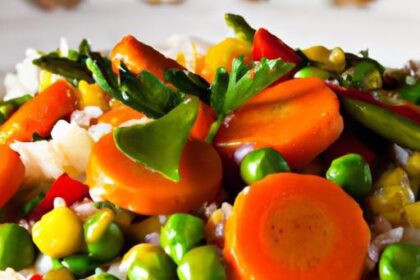
- 2 medium carrots, peeled and julienned
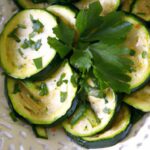
- 1 large zucchini, thinly sliced lengthwise
- 1 medium eggplant, sliced into ¼ inch rounds, salted and rinsed
- 1 cup fresh spinach leaves, lightly sautéed
- 200g ricotta cheese, drained
- 100g cream cheese, softened
- 2 garlic cloves, minced
- 1 tbsp fresh thyme leaves, chopped
- 1 tbsp fresh basil, chiffonade
- Salt and freshly ground black pepper, to taste
- 2 tbsp olive oil, for roasting and sautéing
- 1 tbsp lemon juice
- 4 sheets of parchment paper or plastic wrap
Instructions
- Prepare the vegetables: preheat your oven to 400°F (200°C). Toss the red bell pepper in 1 tbsp olive oil, roast on a baking tray until skin chars, about 20 minutes. Once cool, peel and slice into even strips.
- Sauté the carrots and spinach: In a medium pan, heat 1 tbsp olive oil and sauté carrots for 3-4 minutes until tender but still crisp. Add spinach last, cook just until wilted, season lightly with salt, and squeeze a little lemon juice to brighten flavors.
- Prepare eggplant and zucchini: salt the eggplant slices and let drain in a colander for 15 minutes, then rinse and pat dry. Lightly brush both eggplant and zucchini with olive oil and roast on a lined tray for 10 minutes, flipping halfway.
- Make the herbed cheese mixture: In a bowl, combine ricotta, cream cheese, minced garlic, fresh thyme, and basil.Season with salt and pepper to taste. This creamy layer will contrast beautifully with the crisp vegetables.
- Line your terrine mold: Use a loaf pan or terrine mold lined with parchment paper extending over edges for easy removal.This ensures a neat finish.
- Layer with intention: Begin with a layer of eggplant slices pressed gently into the mold. Spread an even layer of the cheese mixture over it.Follow with a layer of roasted bell peppers, then sautéed carrots, a thin spread of cheese mix, zucchini slices, and finally spinach. Repeat the cycle or build up until your mold is filled, finishing on a vegetable layer for color contrast.
- Press and chill: Fold the parchment over the top and place a weight (such as a foil-wrapped brick) on it to compress layers. Refrigerate for at least 6 hours or overnight to set firmly. This helps develop a clean,sliceable terrine with vivid,defined layers.
- Unmold and serve: Carefully invert the terrine onto a serving plate. slice with a sharp knife dipped in hot water for clean cuts. Garnish with microgreens or edible flowers for that final touch of elegance.
Tips for Success
- Choosing vegetables of varying colors and textures is the cornerstone for success; think glossy zucchini, tender spinach, and smoky roasted peppers for a vibrant palette.
- Salt the eggplant well to remove bitterness and excess moisture, then pat dry-this maintains texture and prevents sogginess.
- Don’t rush the chilling process. The terrine needs firm setting to slice neatly and reveal its distinctive layers.
- Experiment with herbs and citrus to enhance freshness without overpowering the natural vegetable flavors.
- You can prepare this dish up to two days ahead,keeping it refrigerated and tightly wrapped to allow the flavors to harmonize beautifully.
Serving Suggestions
Slice the terrine into thick rectangular portions to showcase the colorful layers. Serve chilled or at room temperature alongside a crisp mixed green salad tossed with a light vinaigrette. A tangy tomato relish or a drizzle of balsamic reduction adds a luscious contrast. For added crunch, scatter toasted pine nuts or walnuts on top. Pairing this dish with crusty artisan bread or seasonal crudités makes for a perfect starter or light meal.

| Nutrient | Per Serving |
|---|---|
| Calories | 210 kcal |
| Protein | 8 g |
| Carbohydrates | 15 g |
| Fat | 14 g |
Mastering the Art of Layering with Colorful Layers of Delight for Stunning Presentation
Visual impact is driven by contrast and balance.When selecting vegetables, consider their natural shapes and colors to create distinct yet harmonious strata. Thinly sliced zucchini ribbons add softness and translucency, while bright red roasted peppers provide a bold splash of red. juxtaposing tender cooked spinach against crunchy carrots builds inviting textures that entice not just the eyes but the palate. Layer evenly and press firmly without squashing, honoring each vegetable’s integrity.
For insight into achieving perfect layering and more vegetable-forward recipes, check out our detailed guide on vegetable layering techniques. Additionally, the USDA’s food composition database offers valuable nutritional info to tailor your dish to dietary needs.
Q&A
Q&A: Colorful Layers of delight – The Art of Vegetable Terrine
Q1: What exactly is a vegetable terrine, and why is it considered a culinary art?
A vegetable terrine is a layered, savory dish composed primarily of vegetables, bound together with gelatin or a plant-based alternative, then pressed and chilled to set into a beautiful, sliceable form. It’s considered a culinary art as it combines vibrant colors, varied textures, and balanced flavors into a visually stunning presentation-each slice reveals a mosaic of nature’s bounty, transforming simple ingredients into a masterpiece on the plate.
Q2: Which vegetables work best for crafting a visually striking terrine?
The magic lies in pairing vegetables that offer contrasting colors and textures. Think deep green spinach or kale, bright orange roasted carrots or bell peppers, luscious red beets, creamy white cauliflower or parsnips, and sunny yellow squash. These not only create a vibrant palette but also provide layers of flavor and mouthfeel,making each bite exciting.
Q3: How does layering impact the flavor and presentation of a vegetable terrine?
Layering is the heartbeat of a terrine. Each layer should have a unique flavor profile and texture-smooth purées alternate with crunchy roasted veggies or tender marinated slices.This layering invites the palate to explore different sensations from one forkful to the next. Visually, when the terrine is sliced, the distinct bands of color create a dramatic tapestry that’s both appetizing and elegant.
Q4: Are there any key tips to ensure the terrine holds together well when sliced?
Absolutely! The binding agent is essential. Traditionally, gelatin is used, but for a vegetarian or vegan approach, agar-agar or pectin work beautifully. Be sure each layer is adequately cooled or slightly set before adding the next, so the layers don’t blend together. Pressing the assembled terrine firmly in a mold and chilling it overnight helps the flavors meld and ensures clean, precise slices.
Q5: Can the flavors be customized,or does the terrine rely mainly on the natural taste of vegetables?
The beauty of a vegetable terrine is its versatility. While the natural sweetness and earthiness of the vegetables are highlights,the flavors can be enhanced with herbs like thyme,basil,or dill; spices such as cumin or coriander; and subtle additions like garlic,lemon zest,or a splash of balsamic vinegar. These nuances add depth and keep each terrine interesting and unique.
Q6: How can a vegetable terrine be served to maximize its appeal?
Presentation is key! Serve the terrine chilled and sliced into neat rectangles or vibrant rounds on a pristine white plate. Accompany it with fresh microgreens, a drizzle of herb-infused olive oil, or a tangy fruit chutney to balance the richness. It effectively works wonderfully as a stunning appetizer or a light centerpiece for a vegetarian meal, inviting guests to savor the harmony of layers with every bite.
Q7: What makes the vegetable terrine a favorite choice for seasonal cooking?
The terrine beautifully showcases seasonal vegetables, celebrating their peak flavors and colors. From the jewel tones of summer’s zucchini and red peppers to the earthy roots of autumn beets and parsnips, it’s a canvas that changes with the seasons, encouraging creativity while honoring the freshness of each harvest.
Q8: is making a vegetable terrine suitable for home cooks, or is it mainly a professional technique?
Though it may seem intricate, a vegetable terrine is very accessible to home cooks who enjoy a bit of creative layering and patience. with a good-quality mold, fresh ingredients, and thoughtful preparation, home chefs can produce a dish worthy of any festive table. It’s a rewarding project that combines artistry with accessible cooking skills.
This Q&A aims to inspire both curiosity and confidence in exploring the colorful, textural, and flavorful world of vegetable terrines-a dish where nature’s palette meets culinary craftsmanship.
Future Outlook
As the vibrant layers of a vegetable terrine come together, they tell a story beyond mere ingredients-a narrative of patience, precision, and the celebration of nature’s bounty in vivid hues. This artful assembly transforms humble vegetables into a mosaic of flavor and texture, inviting both the eyes and palate to savor each bite.Whether served as a stunning centerpiece or a refined appetizer, the vegetable terrine stands as a testament to culinary creativity, proving that beauty and taste can indeed be crafted in perfect harmony. So next time inspiration strikes, dive into the colorful layers of delight and create your own edible masterpiece.