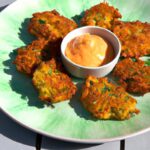




In the bustling streets of Vietnam, where aromas of sizzling herbs adn spices dance through the air, one dish stands out as a crispy, flavorful testament to the country’s rich culinary heritage: Bun Cha Gio. More then just a spring roll, Bun Cha Gio is a harmonious symphony of textures and tastes-golden, crunchy rolls paired wiht vibrant noodles and fragrant herbs-that captures the essence of Vietnamese cuisine in every bite. This article peels back the layers of Bun Cha Gio, exploring its origins, ingredients, and the cultural importance that makes it a beloved delight both at home and around the world. Join us as we unravel the story behind Vietnam’s crispy spring roll sensation and discover why Bun Cha Gio continues to win hearts, one roll at a time.
The Art of Crafting Authentic Bun Cha Gio: Ingredients and Readiness Techniques
Bun Cha Gio is a celebrated Vietnamese dish that captures the essence of crispy,savory spring rolls paired with delicate rice vermicelli and fresh herbs. Rooted deeply in Vietnamese street food culture, it blends textures and flavors ranging from crunchy to tender, and savory to radiant, creating a perfectly balanced meal. Personally, the first time I tasted Bun Cha Gio in hanoi, the harmony of flavors made me realize how much care and tradition go into each bite. The secret lies not only in the fresh ingredients but also the meticulous techniques passed down through generations.
Prep and Cook Time
- Preparation: 30 minutes
- Cooking: 20 minutes
- Total Time: 50 minutes
Yield
Serves 4 hungry guests
Difficulty Level
Medium – requiring some knife skills and frying finesse but approachable for dedicated home cooks
Ingredients
- For the cha Gio Filling:
- 200g ground pork (preferably with some fat for juiciness)
- 50g dried wood ear mushrooms, soaked and finely chopped
- 50g glass noodles (mung bean vermicelli), soaked and chopped
- 1 small carrot, finely shredded
- 2 cloves garlic, minced
- 2 shallots, minced
- 1 egg, beaten
- 2 tablespoons fish sauce
- 1 teaspoon sugar
- Freshly ground black pepper, to taste
- Spring roll wrappers (rice paper sheets or wheat-based for pliability)
- Vegetable oil, for frying
- For Serving:
- 200g rice vermicelli noodles (bun), cooked and drained
- Fresh herbs: mint, Thai basil, cilantro, coriander leaves
- Pickled daikon and carrots (optional)
- Chopped roasted peanuts
- For the Dipping sauce (Nuoc Cham):
- 3 tablespoons fish sauce
- 3 tablespoons fresh lime juice
- 2 teaspoons sugar
- 100ml warm water
- 1 garlic clove, minced
- 1 small bird’s eye chili, sliced thin
- Optional: shredded carrot for visual appeal
Instructions
- prepare the Filling: In a large bowl, combine ground pork, finely chopped wood ear mushrooms, chopped glass noodles, shredded carrot, minced garlic and shallots, beaten egg, fish sauce, sugar, and pepper. Mix thoroughly until the ingredients are well distributed, which helps infuse each bite with balanced flavor.
- Wrap the Spring Rolls: Lay out the spring roll wrapper on a clean, flat surface. Spoon about 2 tablespoons of the filling near one edge. Fold the sides over and roll tightly but gently to avoid tearing. Use a dab of beaten egg or water to seal the edge securely. Repeat until all the filling is used.
- Fry to Perfection: Heat vegetable oil in a deep skillet or wok to 180°C (350°F). Fry the spring rolls in batches, turning occasionally, until golden brown and crispy (about 5 minutes). Drain on paper towels to remove excess oil.
- Prepare the Dipping Sauce: Combine fish sauce, lime juice, sugar, and warm water in a small bowl. Stir until sugar dissolves. add minced garlic, sliced chili, and optional shredded carrot for color and crunch.
- Assemble the Dish: On plates, place a nest of cooked rice vermicelli noodles. Arrange crispy Bun cha Gio on the side with fresh herbs and pickled vegetables. Serve alongside dipping sauce and sprinkle with chopped peanuts for an added layer of texture.
Chef’s Notes: Tips for Success
- use fresh spring roll wrappers for the most tender yet crispy texture; refrigerate unused sheets wrapped in a damp towel.
- When mixing the filling, avoid overworking the meat - this keeps the spring rolls tender.
- Fry at the right oil temperature to prevent greasy rolls. Use a thermometer if possible or test with a small piece first.
- For a vegetarian variation, substitute pork with finely diced tofu or mushrooms and add shredded jicama for crunch.
- Make-ahead tip: Prepare the rolls, freeze them raw on a baking sheet, then transfer to a freezer bag. Fry directly from frozen for a crispy snack any time!
Serving Suggestions
Serve bun Cha Gio with a generous bowl of nước chấm dipping sauce, fresh aromatic herbs like mint, Thai basil, and cilantro, and a side of pickled daikon and carrots. encourage diners to wrap a spring roll with vermicelli and herbs, then dip generously into the sauce. A scattering of chopped roasted peanuts adds delightful crunch and nutty depth. For an extra touch, garnish plating with sliced fresh chili and julienned cucumber.

| Nutrient | Per Serving |
|---|---|
| Calories | 420 kcal |
| Protein | 22g |
| Carbohydrates | 38g |
| Fat | 18g |
Discover more about Vietnamese culinary treasures in our related article Ultimate Guide to Vietnamese Fresh Herbs. For deeper insight into traditional techniques and ingredients, visit Vietnam Online’s Bun Cha resource.
Q&A
Q&A: Bun Cha Gio – Vietnam’s Crispy Spring Roll Delight Explained
Q1: What exactly is Bun Cha Gio?
A1: Bun Cha Gio is a beloved Vietnamese dish that beautifully marries the freshness of vermicelli noodles (“bun”) with the golden crunch of fried spring rolls (“cha gio”). It’s a harmony of textures and flavors-cool, soft noodles served alongside crispy rolls, fresh herbs, and savory dipping sauce.
Q2: How did Bun Cha Gio get its name?
A2: The name is straightforward yet poetic in its simplicity. “Bun” refers to the thin rice vermicelli noodles, and “Cha Gio” translates to fried spring rolls. together, they evoke the essence of the dish – a bowl filled with vermicelli and crispy rolls.
Q3: What makes the spring rolls in Bun Cha Gio special?
A3: The spring rolls are the star of this dish-hand-rolled with a delicate rice paper wrapper and stuffed with a savory mix of ground pork, mushrooms, glass noodles, and sometimes shrimp or crab. Once fried to a perfect golden crunch, they add irresistible texture and depth of flavor.
Q4: What ingredients typically go into Bun Cha Gio?
A4: Beyond the star ingredients-vermicelli noodles and crispy spring rolls-Bun Cha Gio is layered with fresh herbs like mint, cilantro, and Thai basil, crisp lettuce, shredded carrots, crushed peanuts, and pickled daikon radish and carrots. It’s then drizzled with “nuoc cham,” a tangy, sweet, and savory fish sauce-based dipping sauce.
Q5: How is Bun Cha Gio traditionally served and eaten?
A5: Traditionally,you start by layering vermicelli noodles in a bowl. Then add chopped lettuce and herbs, followed by sliced spring rolls.spoon on some nuoc cham and top with crushed peanuts. You mix it all together or dip bite-sized portions into the sauce-each mouthful bursts with freshness and crunch.Q6: Is Bun Cha Gio eaten year-round or seasonally?
A6: thanks to its fresh components and light nature, Bun Cha Gio is a year-round favorite in Vietnam. It’s cooling and refreshing during the warm months but delightfully satisfying any time you crave a harmonious balance of crunchy and fresh.
Q7: Can Bun Cha Gio be adapted for vegetarians?
A7: Absolutely! Vegetarian versions swap ground pork for tofu, mushrooms, or mung beans and use vegetarian-kind dipping sauce. the magic lies in keeping that crispy spring roll texture and the fresh herbaceous notes intact.
Q8: Why has Bun Cha Gio gained popularity internationally?
A8: Bun Cha Gio captures what many seek in a meal-texture contrast, freshness, and bold flavor combined into one bowl.Its adaptability and the global love for crispy spring rolls have propelled it beyond Vietnam’s borders to become a celebrated dish worldwide.
Q9: Any tips for making the perfect spring rolls at home?
A9: Keep yoru filling well-drained to avoid soggy rolls, roll them snugly but not too tight to prevent bursting, and fry in oil hot enough (around 350°F/175°C) for a short time to achieve golden crispiness without absorbing excess oil. Pair your rolls with fresh herbs and tangy sauce for authentic taste!
Q10: Where should I go in Vietnam to try the most authentic Bun Cha Gio?
A10: For an authentic Bun Cha Gio experience, head to local street food stalls in Hanoi or Ho Chi Minh city. these bustling vendors serve up fresh bowls brimming with crispy cha gio, fresh herbs, and that iconic nuoc cham, capturing the soul of Vietnamese home cooking.
In Summary
as we unwrap the golden layers of Bun Cha Gio, it’s clear that this crispy spring roll is much more than just a snack-it’s a flavorful tapestry woven from Vietnam’s rich culinary heritage. Each bite carries the perfect harmony of textures and tastes, inviting you to experience a tradition that’s both humble and remarkable. Whether enjoyed on bustling street corners or in the cozy corners of home kitchens, Bun Cha Gio remains a delicious testament to Vietnam’s love for food that’s simple, satisfying, and steeped in culture. So next time you crave a crispy delight, let Bun Cha Gio transport your taste buds on a journey through Vietnam’s vibrant flavors-one crunchy roll at a time.