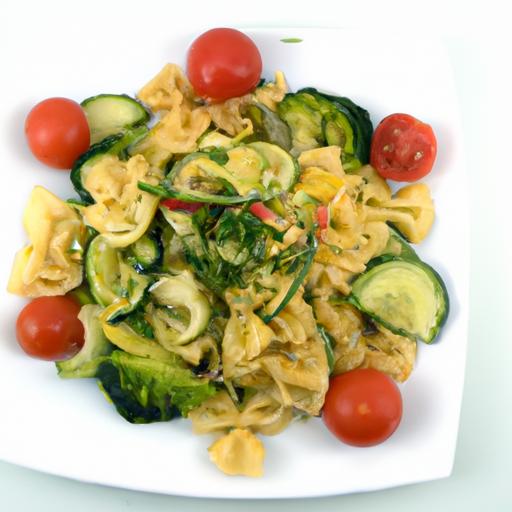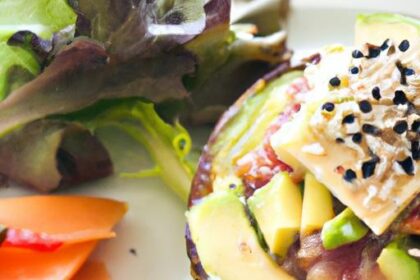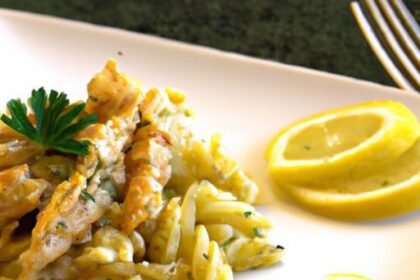



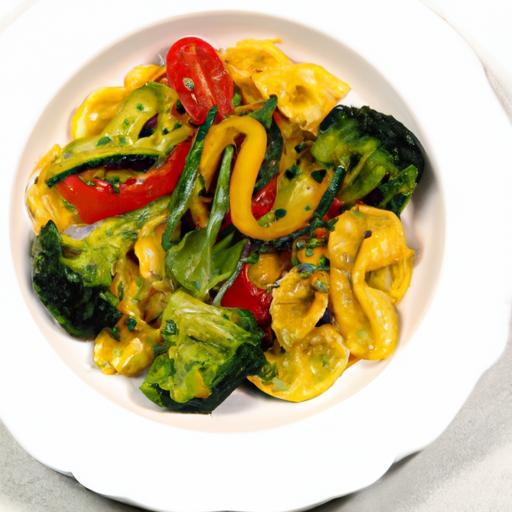

As spring’s vibrant colors burst forth, so too does our craving for meals that celebrate nature’s freshest offerings. Enter luminous Bites: Pasta Primavera with Fresh seasonal Veggies-a dish that captures the very essence of the season in every forkful. This lively medley of crisp vegetables and al dente pasta not only dazzles the eye but also delights the palate, transforming humble ingredients into a radiant feast. Join us as we explore the vibrant world of primavera, where freshness reigns and every bite awakens your senses with the promise of sunny days and wholesome nourishment.
Selecting the Freshest Ingredients for Ultimate Flavor
Bright Bites: Pasta Primavera with Fresh Seasonal Veggies is a party of nature’s bounty, where each ingredient shines in vibrant color and true, refreshing flavor. The secret to an unforgettable pasta primavera lies in choosing the freshest seasonal vegetables-think crisp snap peas, tender baby zucchini, sweet cherry tomatoes, and verdant asparagus spears.Local farmer’s markets are perfect for sourcing produce at the peak of ripeness, ensuring your dish bursts with vivid hues and an authentic, garden-fresh taste.
Look for vegetables with firm textures,intense color,and a lively aroma to elevate every bite. When you handpick your veggies, it’s easier to feel confident that your dish will deliver maximum flavor. remember, high quality ingredients are the foundation of any great meal and create the most visually stunning plates.
Prep and Cook Time
- Planning: 20 minutes
- cooking: 15 minutes
- Total Time: 35 minutes
Yield
Serves 4 hungry diners
Difficulty Level
Easy – perfect for cooks of all levels aiming to brighten weeknight meals.
Ingredients
- 12 oz dried linguine or fettuccine pasta
- 1 cup cherry tomatoes, halved
- 1 cup snap peas, trimmed
- 1 medium zucchini, sliced into thin half-moons
- 1 cup asparagus tips, cut into 2-inch pieces
- 3 cloves garlic, minced
- 1/4 cup extra virgin olive oil
- 1/2 tsp red pepper flakes (optional, for a mild kick)
- 1/4 cup fresh basil leaves, chopped
- 2 tbsp fresh lemon juice
- 1/3 cup grated Parmesan cheese or vegetarian choice
- Salt and freshly ground black pepper, to taste
Mastering the Art of Perfectly Al Dente Pasta
- Bring a large pot of salted water to a rolling boil. Salt the water generously-like the sea-to infuse the pasta with flavor from the inside out.
- Add pasta and cook uncovered according to package instructions, usually around 8-10 minutes. Stir occasionally to prevent sticking.
- Test for al dente by tasting a strand a minute or two before recommended cooking time; it should be tender with a slight bite at it’s center.
- Reserve 1 cup of pasta water before draining to use for loosening the sauce later.
- Drain pasta promptly and set aside.Do not rinse-preserving the starches helps the sauce cling beautifully.
Creative Twists to elevate Your Pasta Primavera Experience
- Heat olive oil in a large skillet over medium heat. Add minced garlic and red pepper flakes, sautéing until fragrant (about 1 minute), careful not to let garlic brown, as it turns bitter.
- Add asparagus and snap peas first, stir-frying for 3 minutes until tender-crisp, preserving vibrant green color and a satisfying crunch.
- Stir in zucchini and cherry tomatoes, cooking until tomatoes just soften and zucchini is bright and tender-about 2 minutes.
- Toss pasta back into the skillet with vegetables.Add lemon juice, chopped basil, and Parmesan.
- Use reserved pasta water a splash at a time to create a silky, cohesive sauce that lightly coats every strand and veggie.
- Adjust seasoning with salt and black pepper, taste-testing for balance.
- Serve instantly, garnished with extra basil leaves and a sprinkle of Parmesan for an inviting, colorful presentation.
Tips for Success
- Vegetable Variations: Feel free to swap in peas, bell peppers, or baby spinach depending on what’s freshest in season.
- Protein Power: Add grilled chicken or chickpeas for extra heartiness without overshadowing the vibrant veggies.
- Make-Ahead: Prep chopped vegetables in advance and refrigerate in an airtight container up to 24 hours.
- Prevent Overcooking: Cook veggies just until tender-crisp to maintain that signature bright texture and appearance.
- Grated Citrus Zest: A sprinkle of lemon or orange zest can add unexpected brightness and aroma.
- Cheese Alternatives: Nutritional yeast or vegan parmesan can replace traditional cheese to suit dietary preferences.
Serving Suggestions
This bright and lively dish looks stunning on a wide, shallow bowl. Finish with a drizzle of quality olive oil to catch light and enhance richness. Sprinkle with freshly chopped herbs like basil or parsley for extra bursts of green. For an elegant textural contrast, add toasted pine nuts or crushed pistachios on top.
Pair with a crisp,chilled glass of sparkling water with a lemon wedge or a light herbal iced tea to refresh the palate. For a wholesome meal,serve alongside a mixed greens salad dressed in a simple vinaigrette that echoes the citrus notes of the pasta primavera.

| Nutrient | Per Serving |
|---|---|
| Calories | 350 kcal |
| Protein | 12 g |
| Carbohydrates | 54 g |
| Fat | 9 g |
For more inspiration on cooking with fresh produce, check out our Seasonal vegetables Guide. Learn about the health benefits of eating fresh and vibrant vegetables on ChooseMyPlate.gov.
Q&A
Q&A: Bright Bites – Pasta Primavera with Fresh Seasonal Veggies
Q1: What makes Pasta Primavera a perfect dish for showcasing fresh seasonal vegetables?
A1: Pasta Primavera is a vibrant canvas that celebrates the bounty of the season. Its light sauce and simple preparation allow the natural colors, textures, and flavors of fresh veggies-like tender asparagus, sweet peas, and ripe cherry tomatoes-to shine. This harmony between pasta and produce creates a dish that’s both comforting and bursting with garden-fresh brightness.
Q2: Wich seasonal vegetables work best in Pasta Primavera throughout the year?
A2: Spring invites tender asparagus, sugar snap peas, and baby zucchini. Summer shines with cherry tomatoes, bell peppers, and fresh basil. Fall brings roasted butternut squash, Brussels sprouts, and earthy mushrooms. Each season’s harvest adds its own unique flair, keeping the dish exciting and aligned with nature’s rhythm.
Q3: How can I keep the vegetables crisp and vibrant while cooking?
A3: Timing is key! Lightly sauté veggies over medium-high heat just until they’re tender-crisp-think vibrant and slightly crunchy, never soggy. Blanching some veggies in boiling water before sautéing can definitely help preserve their color and texture. This technique ensures a bright bite and a gorgeous presentation.
Q4: what pasta shapes complement the fresh veggies in Primavera?
A4: The ideal pasta is one that cradles or pairs well with the vegetable medley. Penne, farfalle, or fusilli are popular choices as their ridges and twists catch bits of sauce and tender veggies.Thin strands like linguine or angel hair can also work, especially if you prefer a lighter feel that won’t overshadow the fresh produce.
Q5: Can this dish be made gluten-free or vegan without losing its essence?
A5: Absolutely! Substituting regular pasta with gluten-free versions like brown rice or chickpea pasta keeps the dish inclusive.For vegan flair, skip dairy and use olive oil, garlic, lemon juice, and ample fresh herbs to build layers of flavor. Roasted nuts or seeds can add a satisfying crunch, enhancing texture while keeping things plant-based.
Q6: What simple tips can elevate the flavor profile of Pasta Primavera?
A6: Fresh herbs-like basil, parsley, or tarragon-are game-changers, adding aromatic brightness. A squeeze of lemon juice just before serving brings a zesty lift. Finishing with a drizzle of high-quality extra virgin olive oil adds richness, while freshly cracked black pepper provides subtle heat.These little touches amplify the dish’s freshness and balance.Q7: How can I turn Pasta Primavera into a light, satisfying meal for a busy weeknight?
A7: Embrace efficiency by prepping your veggies in advance-wash, chop, and store them ready to sauté. Use a single pan to toss pasta and veggies together for quick cleanup. Adding a handful of toasted pine nuts or a sprinkle of nutritional yeast can boost both flavor and nutrition, making your swift supper feel thoughtfully complete.
Q8: Is Pasta Primavera suitable for meal prep and leftovers?
A8: It sure is! to maintain veggie crispness, undercook them slightly before combining with pasta. Store the dish separately from any added fresh herbs or lemon zest to keep everything bright and fresh. Reheat gently with a splash of olive oil or vegetable broth to revive its vibrancy without wilting your precious veggies.
Q9: What kitchen tools are especially helpful when making Pasta Primavera?
A9: A sharp chef’s knife for precise veggie cuts, a large sauté pan for even cooking, and a pasta pot with a strainer make the process smooth and enjoyable. A microplane grater is great for zesting citrus or freshly grating Parmesan (if desired), rounding out that bright, multi-dimensional flavor.
Q10: How does Pasta Primavera fit into a balanced and wholesome diet?
A10: With its combination of complex carbs from pasta and a generous helping of nutrient-packed vegetables, Pasta Primavera is both nourishing and energizing.It provides fiber, vitamins, and antioxidants while remaining lower in fat and calories compared to heavier pasta dishes.This makes it an ideal choice for those seeking delicious meals that support wellness without sacrificing flavor.
In Retrospect
As the seasons shift and fresh produce finds its way from garden to table, pasta primavera stands as a vibrant celebration of nature’s bounty. Bright bites of crisp asparagus, sweet cherry tomatoes, and tender peas entwined with al dente pasta create more than just a meal-they offer a sensory journey through the colors, flavors, and textures of spring and summer’s finest. Whether you’re a seasoned cook or a kitchen newcomer, this dish invites you to savor the simplicity and freshness that seasonal veggies bring, reminding us that sometimes the brightest bites come from the earth’s most humble gifts.So next time you crave a plate that’s both nourishing and bursting with life, let pasta primavera guide you to a lively, wholesome delight that nourishes body and soul alike.