


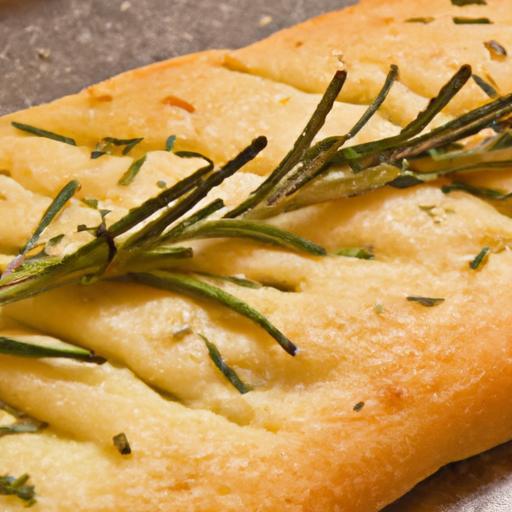

There’s a simple magic that happens when fragrant herbs meet the warm embrace of freshly baked bread. Aromatic focaccia,crowned with earthy rosemary and kissed by flakes of sea salt,invites us into a sensory experience that’s both rustic and refined. This savory Italian classic transcends it’s humble origins, filling kitchens with captivating scents and plates with golden, crisp-edged slices bursting with flavor. in this article, we’ll explore the art and allure of rosemary and sea salt focaccia-a timeless delight that transforms everyday ingredients into an remarkable taste journey.
Aromatic Focaccia: Rosemary & Sea Salt’s Savory Delight is a timeless Italian masterpiece that effortlessly balances rustic charm with gourmet sophistication. Rooted in Ligurian traditions,this fragrant flatbread carries the essence of fresh rosemary and the tantalizing crunch of sea salt,transforming simple ingredients into a festivity of aroma and texture. The secret lies in the dough’s gentle fermentation and the perfect crust-to-crumb ratio, inviting you into an immersive baking experience that’s as rewarding as it is flavorful.
Prep and Cook Time
- Readiness: 20 minutes (plus 1.5 hours rising)
- Baking: 25 minutes
- Total Time: Approximately 2 hours
Yield
Serves 6 to 8 as an appetizer or alongside a meal
difficulty Level
Medium - Perfect for bakers ready to master hands-on dough crafting and layering complex flavors.
Ingredients
- 3 ½ cups all-purpose flour, sifted
- 1 ¼ cups warm water (about 105°F / 40°C)
- 2 teaspoons active dry yeast
- 1 tablespoon granulated sugar
- 2 teaspoons fine sea salt, divided
- ¼ cup extra virgin olive oil, plus more for drizzling
- 2 tablespoons fresh rosemary leaves, roughly chopped
- Coarse sea salt flakes for finishing
Instructions
- Activate the yeast: In a small bowl, combine warm water, sugar, and yeast. Stir gently and allow it to bloom for 5-7 minutes until frothy. This step ensures a lively rise and a supple dough texture.
- Mix the dough: In a large bowl, whisk together the sifted flour and 1 teaspoon of fine sea salt. Create a well in the centre and pour in the activated yeast mixture and ¼ cup olive oil.
- Combine and knead: Stir with a wooden spoon until a shaggy dough forms. Transfer to a floured surface and knead for about 8-10 minutes until smooth and elastic. If the dough is sticky, add flour sparingly to avoid stiffness.
- First rise: Lightly oil a clean bowl, place the dough inside, and cover with a damp cloth or plastic wrap.Let it rise in a warm spot for 1 to 1 ½ hours, or until doubled in size.
- Shape the focaccia: Generously olive oil a 9×13-inch baking pan. Gently transfer risen dough and press it evenly into the pan, stretching it with your fingertips. Don’t be afraid to let dimples form – they are key to texture and absorbing oil.
- Flavor infusion: Sprinkle the chopped rosemary evenly over the dough. Press the leaves lightly into the surface so they adhere and infuse during baking.
- Second rise: Cover the pan loosely and let the dough rise again for about 30 minutes, allowing it to become pillowy and soft.
- Preheat oven: Set your oven to 425°F (220°C) to achieve a golden crust and tender crumb.
- Final touches: Use your fingertips to create deep dimples all over the dough’s surface. Drizzle generously with olive oil, sprinkle the remaining 1 teaspoon fine sea salt and a generous pinch of coarse sea salt flakes.
- Bake: Place the pan on the middle rack and bake for 20-25 minutes. Aim for a rich golden-brown crust with crisp edges and a light, airy interior.
- Cool: Remove from oven and let rest briefly before slicing. The residual heat settles the crumb structure for perfect texture.
Tips for Success
- For an extra aromatic touch, add a teaspoon of chopped garlic to the dough or brush the focaccia with garlic-infused olive oil before baking.
- If your kitchen is cool, create a warm environment by turning on your oven for 2 minutes, then switching it off and placing the dough inside to rise.
- Use King Arthur Baking’s expert yeast guide to troubleshoot fermentation issues.
- This dough can be made a day ahead-after the first rise, refrigerate overnight and allow to come to room temperature before shaping.
- Substitute fresh rosemary with a mix of rosemary and thyme for a nuanced herbal profile.
serving Suggestions to Elevate Your Aromatic Focaccia Experience
Slice your warm focaccia into thick, rustic wedges and serve alongside a bowl of vibrant tomato basil soup or a platter of marinated olives and roasted vegetables for a Mediterranean-inspired feast. garnish with freshly cracked black pepper and a light drizzle of balsamic glaze to introduce a subtle acidic kick. For a luxurious touch, add a scatter of soft burrata cheese or a thin layer of whipped ricotta on each slice, topped with an extra sprinkle of sea salt and rosemary. Pair with freshly brewed herbal tea or a chilled sparkling water infused with lemon and mint for balance.

| Nutrient | Per Serving |
|---|---|
| Calories | 210 kcal |
| Protein | 5 g |
| Carbohydrates | 28 g |
| Fat | 8 g |
Discover more about Mediterranean bread baking techniques to complement your aromatic focaccia journey.
Q&A
Q&A: Aromatic Focaccia – Rosemary & Sea Salt’s Savory Delight
Q1: What makes focaccia with rosemary and sea salt so irresistibly aromatic?
A1: the magic lies in the simple yet potent pairing of fresh rosemary and coarse sea salt. Rosemary’s piney, slightly citrusy aroma infuses the dough as it bakes, while sea salt crystals provide bursts of briny flavor and a delightful crunch. Together, they create a sensory experience that awakens the palate even before the first bite.
Q2: Can you describe the texture of a well-made rosemary and sea salt focaccia?
A2: A perfectly baked focaccia boasts a golden crust that’s crisp and slightly blistered, contrasted by a fluffy, airy interior. The dough’s open crumb structure showcases pockets of tender softness, making every mouthful a balance of crunch and chew-enhanced by the subtle grittiness of sea salt and the herbaceous notes of rosemary.
Q3: How crucial is the type of flour when making rosemary and sea salt focaccia?
A3: Flour choice definitely shapes focaccia’s character. High-protein bread flour encourages gluten growth, yielding that signature chewy elasticity.For a more rustic finish, a mix with all-purpose flour or even a bit of whole wheat adds complexity in flavor and texture, complementing the herbal and salty toppings beautifully.
Q4: Is it necessary to use fresh rosemary, or can dried rosemary suffice?
A4: Fresh rosemary is ideal for its vibrant aroma and moisture, which gently infuses into the dough as it bakes. However, dried rosemary can work in a pinch-just crush it finely to release its fragrance and sprinkle lightly, as it’s more concentrated and can become overpowering if overused.
Q5: Why is sea salt preferred over regular table salt for topping focaccia?
A5: Sea salt’s coarse crystals hold their texture and flavor under the intense heat of the oven, adding a pleasing crunch and bursts of saltiness that tease the taste buds. Table salt dissolves more quickly and won’t provide that satisfying pop or the visually appealing crystal sparkle that elevates focaccia’s rustic charm.
Q6: Can rosemary and sea salt focaccia be served in ways other than as a side or bread basket staple?
A6: Absolutely! This savory bread shines as a base for open-faced sandwiches, a companion to fresh vegetable dips, or as the cornerstone of a Mediterranean-inspired bread salad. Its aromatic qualities can also enhance simple applications like pairing with olive tapenade or hummus, turning humble moments into gourmet bites.
Q7: What are some tips to maximize rosemary’s flavor in focaccia during baking?
A7: Gently press fresh rosemary sprigs into the dough before the final rise to lock in aromatic oils. Drizzling good-quality olive oil over the top ensures the herb’s essence infuses deeply, and baking at a high temperature encourages the rosemary to roast slightly, unleashing warm, savory notes without burning.
Q8: How can one achieve the perfect balance of saltiness without overpowering the focaccia?
A8: It’s all about moderation and distribution. Sparingly scatter sea salt on top-enough to highlight, but not saturate. Because focaccia dough is naturally mild, the coarse salt crystals provide bursts of flavor rather than overwhelming the palate. Tasting as you go, and remembering less is frequently enough more, ensures harmonious seasoning.
Q9: Is focaccia dough tough to prepare for beginners wanting to try rosemary and sea salt focaccia?
A9: Not at all! Focaccia dough is forgiving and requires minimal ingredients: flour, water, yeast, olive oil, and salt. It’s more about patience during rising stages than complex techniques. The infusion of rosemary and sea salt is a simple step toward turning basic dough into an aromatic masterpiece anyone can create.Q10: What variations can be experimented with without losing the essence of rosemary and sea salt focaccia?
A10: Consider adding thinly sliced garlic cloves, kalamata olives, or sun-dried tomatoes for complementary layers of flavor. Just keep the focus on the rosemary and sea salt as the stars-think of these additions as supporting cast that enhance rather than overshadow the fragrant simplicity that defines this bread’s enduring appeal.
Closing Remarks
As the golden crust of aromatic focaccia crackles beneath your fingertips, infused with the earthy notes of rosemary and kissed by delicate grains of sea salt, you’re reminded that simplicity often holds the greatest pleasures. This savory delight, rooted in tradition yet endlessly versatile, invites you to savor each fragrant bite-whether as a humble snack, a companion to a hearty meal, or the centerpiece of your next gathering. Embracing the art of focaccia is more than just baking; it’s about capturing the essence of rustic flavors and transforming humble ingredients into a timeless culinary treasure. So next time you crave a taste of something truly satisfying, let rosemary and sea salt lead the way to your own slice of savory bliss.