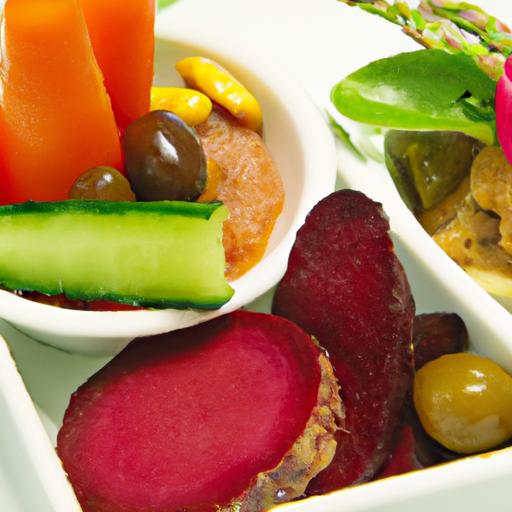





In the world of culinary artistry, few dishes embody both elegance and complexity quite like a vegetable terrine. This layered masterpiece is more than just a feast for the eyes; it’s a symphony of textures, colors, and flavors meticulously stacked to create a harmonious whole. From the vibrant crunch of fresh vegetables to the subtle infusion of herbs and spices, crafting the perfect vegetable terrine is a journey that transforms simple ingredients into a stunning centerpiece. In this article, we’ll explore the art of layering flavors and techniques that bring this timeless dish to life, inviting you to elevate your cooking with every slice.
Layers of Flavor: Crafting the Perfect Vegetable Terrine
Layers of flavor come alive when the selection of vegetables, their textures, and harmonious seasoning converge into a stunning terrine. This dish, rooted in classic French culinary artistry, invites you to explore the vibrant colors and tastes of garden-fresh vegetables while mastering the delicate balance between moisture and firmness.Through thoughtful layering and expert presentation, your vegetable terrine will become a centerpiece that delights both the eye and palate.
Prep and Cook Time
- Planning: 40 minutes
- Cooking: 50 minutes
- Chilling Time: 6 hours (preferably overnight)
Yield
- Servings: 8 elegant slices
Difficulty Level
- Intermediate
Ingredients
- 2 medium zucchini, thinly sliced lengthwise
- 2 medium carrots, peeled and julienned
- 1 large red bell pepper, roasted and sliced
- 1 cup fresh spinach leaves, lightly blanched
- 1 cup cremini mushrooms, finely chopped
- 1 small yellow onion, diced
- 3 large eggs
- 1 cup whole milk
- 3 tablespoons olive oil
- 1/2 cup grated Parmesan cheese
- 2 cloves garlic, minced
- Salt and freshly ground black pepper, to taste
- Fresh thyme sprigs, for garnish
- 1 cup tomato basil coulis (for serving)
Instructions
- Prepare the vegetables: Lightly salt zucchini slices and set them on paper towels to draw out excess moisture for 15 minutes. Rinse and pat dry.
- Sauté mushrooms and onions: Heat 2 tablespoons olive oil in a skillet over medium heat. Add the onion and garlic, sauté until translucent, about 4 minutes. Add mushrooms and cook until liquid evaporates, approximately 6 minutes. season with salt and pepper and set aside.
- Blanch spinach and carrots: Drop spinach leaves and carrot julienne into boiling water for 30 seconds, then plunge into ice water to preserve color and crispness. Drain well.
- Prepare the egg custard: In a bowl, whisk together eggs, milk, remaining olive oil, Parmesan, salt, and pepper until smooth and homogenous.
- Assemble the terrine: preheat your oven to 350°F (175°C). Line a loaf pan with parchment paper, extending the edges for easy removal.
- Layering: Start with a layer of zucchini slices, slightly overlapping to cover the base. Spoon a thin layer of the egg custard over them. Next, add a layer of roasted red peppers, followed by some sautéed mushrooms and onions. Pour a little more custard to gently bind each layer. Continue layering spinach and carrots, alternating with custard, until the pan is nearly full. Finish with a top layer of zucchini slices and pour remaining custard over.
- Bake the terrine: Place the loaf pan in a large baking dish. Fill the dish with hot water halfway up the sides of the terrine pan (bain-marie method). Bake for 45 to 50 minutes or until the custard is set and golden at the edges.
- Chill: Remove from oven, cool to room temperature, then refrigerate for at least 6 hours, ideally overnight, so flavors meld and texture firms up.
- Unmold and slice: Carefully lift the terrine using parchment overhang. Slice with a sharp knife warmed in hot water to ensure clean edges.
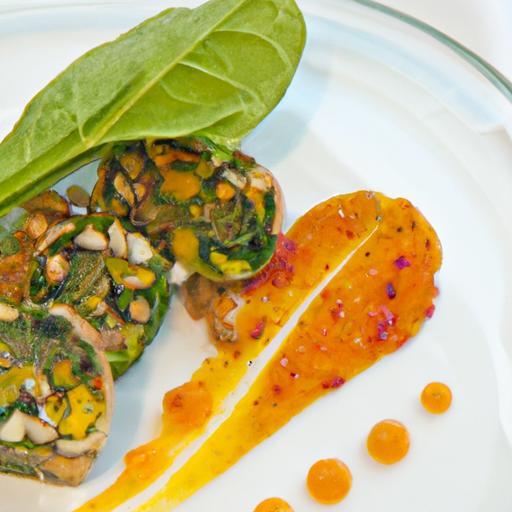
- serve: Plate slices with a drizzle of fresh tomato basil coulis and garnish with thyme sprigs for a lovely contrast.
Tips for Success
- Vegetable selection: Choose firm, fresh vegetables-avoid overripe or watery produce to maintain the terrine’s structure and vibrant taste.
- Moisture control: Drawing out moisture from zucchini prevents the terrine from becoming soggy. Use paper towels or a salad spinner for best results.
- Layer evenly: Press layers gently but firmly to avoid air pockets that can cause structural weaknesses.
- Make ahead: The terrine improves after a night in the fridge, making it perfect for entertaining.
- Customize flavors: Experiment by adding fresh herbs like basil, tarragon, or chives between layers for added complexity.
Serving Suggestions
Present your vegetable terrine as an elegant appetizer or light lunch centerpiece. Serve chilled slices on a white porcelain plate to showcase the vivid color layers. complement with a shining tomato basil coulis drizzled artistically around the plate. Garnish each serving with fresh thyme or microgreens and a few toasted pine nuts for a pleasing crunch contrast. Pair with a crisp green salad dressed in lemon vinaigrette for a refreshing balance.

Nutrition Details per Serving
| Calories | Protein (g) | Carbs (g) | Fat (g) |
|---|---|---|---|
| 180 | 8 | 12 | 10 |
For a deeper dive on vegetable preparation techniques, check out our related post on Vegetable Preparation Tips for Gourmet Cooking. For an authoritative resource on French terrines and their history, visit French Culinary Institute.
Q&A
Q&A: Layers of Flavor – Crafting the Perfect Vegetable Terrine
Q1: What exactly is a vegetable terrine?
A vegetable terrine is a beautifully layered dish, typically served chilled or at room temperature, where various vegetables are carefully cooked, seasoned, and pressed into a mold. The result is a vibrant mosaic of colors, textures, and tastes stacked into a visually striking and appetizing block, perfect as an appetizer or a centerpiece on its own.
Q2: How do you choose the vegetables for a terrine?
Choosing vegetables with contrasting colors, textures, and flavors is key. Think vibrant reds like roasted red peppers,crisp green beans,tender zucchini ribbons,and earthy mushrooms. Selecting a seasonal mix also adds freshness and depth – root vegetables in winter, summer squashes and tomatoes in warmer months.
Q3: What’s the secret to creating distinct, defined layers?
Precision and patience! Each vegetable layer needs to be cooked to the right doneness-never mushy, never raw-and packed firmly but gently into the mold. Using a tamper or the back of a spoon to press each tier ensures clean edges. Chilling the terrine for several hours or overnight helps the layers to set perfectly.
Q4: Should the vegetables be cooked before layering?
yes, most vegetables benefit from a gentle pre-cooking process. Roasting enhances sweetness and intensifies flavor, steaming preserves brightness and texture, while sautéing can introduce caramelized notes. Cooking also removes excess moisture, which is crucial for maintaining the terrine’s firm structure.
Q5: How do you enhance the flavor without overpowering the vegetables?
Herbs,spices,infused oils,and complementary purees act as subtle flavor enhancers. Fresh thyme, basil, or tarragon can brighten the palette, while a hint of smoked paprika or cumin adds warmth. A thin layer of pesto or a spread of herbed goat cheese between layers can introduce creaminess and a delightful tang.
Q6: What kind of mold works best for a vegetable terrine?
A rectangular or loaf pan lined with parchment or plastic wrap is ideal, as it allows for easy unmolding and clean edges. Some chefs prefer ceramic or glass molds for even cooking or presentation, but adaptability in packaging and the ability to tightly compress the layers are most important.
Q7: Can you make a vegetable terrine ahead of time?
Absolutely! In fact,terrines often improve after resting in the refrigerator for at least 6-12 hours. This resting time allows the flavors to meld and the mixture to firm up,ensuring neat,sliceable portions and a harmonious blend of tastes.
Q8: How do you serve and garnish a vegetable terrine?
Serve slices elegantly fanned on a plate, accompanied by a fresh salad or a bright vinaigrette drizzle. Garnishes like microgreens, edible flowers, or a dollop of whipped herbed cheese add visual appeal and a fresh bite that complements the terrine’s layers.
Q9: What are some common pitfalls to avoid when making a vegetable terrine?
Overcooking vegetables can lead to unattractive, mushy layers; under-seasoning results in a flat flavor profile. Also,insufficient pressing can cause layers to separate when sliced. skipping the chilling step may make slicing messy and compromise the terrine’s firm structure.
Q10: Can the terrine be vegan or gluten-free?
Yes! A vegetable terrine can be crafted to suit vegan and gluten-free diets by focusing on plant-based ingredients and using alternatives like agar-agar instead of gelatin for binding.Pureed beans or lentils can add body and richness without animal products, turning the terrine into a wholesome, inclusive dish.
Crafting a vegetable terrine is an artful party of garden bounty, turning humble ingredients into an elegant symphony of taste and texture. with patience and creativity, anyone can master this layered marvel!
In Summary
As you’ve discovered, crafting the perfect vegetable terrine is much more than assembling ingredients-it’s about layering flavors, textures, and colors to create a harmonious masterpiece. Each carefully prepared vegetable brings its own note to the symphony of taste, while thoughtful seasoning and technique elevate the dish from simple to sublime. Whether served as an elegant appetizer or a vibrant centerpiece, a well-executed terrine invites both the eyes and palate to savor the artistry of plant-based cuisine. so next time you reach for your knife and cutting board, remember: the true magic lies not just in what you layer, but how those layers come together to tell a delicious story.