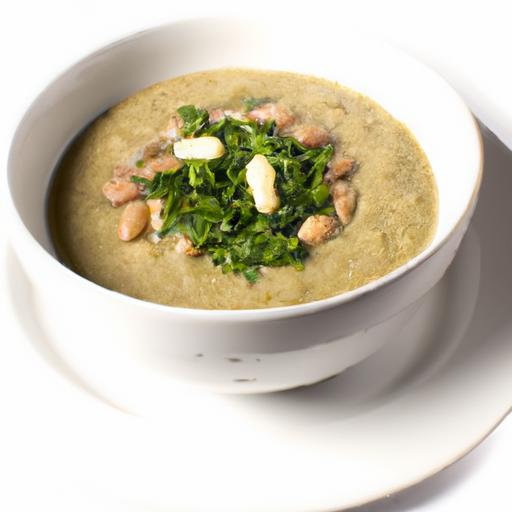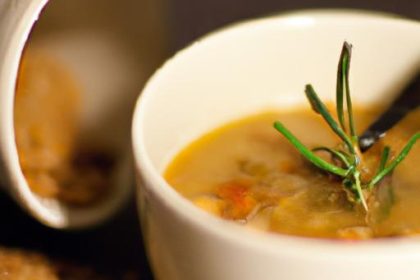


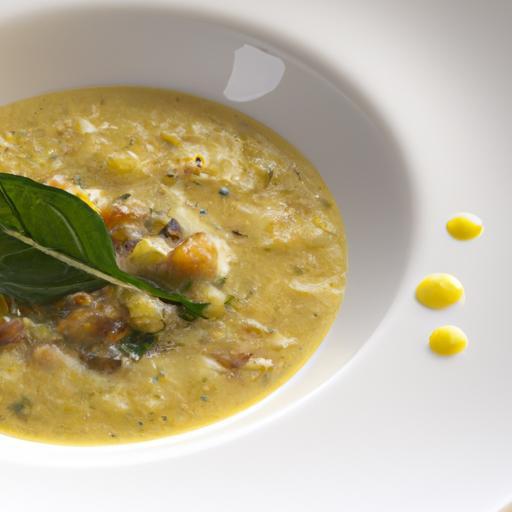

Nestled in the heart of North African kitchens, Bissara is more than just a humble soup-it’s a soulful celebration of the fava bean’s rich heritage and nourishing magic.Frequently enough enjoyed as a simple comfort food, this velvety fava bean soup transcends its rustic roots, offering a sensory journey steeped in tradition, flavor, and warmth. In “Bissara Bliss: Discover the Magic of Fava Bean Soup,” we unravel the story behind this beloved dish, exploring its cultural significance, health benefits, and the secrets that make each spoonful a delicious embrace of history and home. Whether you’re a curious foodie or a seasoned cook, prepare to be enchanted by the timeless allure of Bissara.
bissara bliss invites you on an extraordinary culinary journey into the heart of Middle Eastern tradition, where humble fava beans transform into a velvety, aromatic soup cherished for generations. Originating from Egypt and spreading across the Levant and North Africa, this dish carries a rich heritage-frequently enough served during chilly winter mornings or as a soulful breakfast that nourishes both body and spirit. As a longtime lover of Middle Eastern cuisine, I recall countless mornings around a rustic table, savoring the warm, earthy flavors of bissara that seemed to embody community, comfort, and vitality all at once.
Prep and Cook Time
Preparation: 15 minutes | Cooking: 45 minutes | Total: 1 hour
Yield
Serves 4 hearty portions
Difficulty Level
Easy to Medium – perfect for home cooks seeking authentic flavors without fuss
Ingredients
- 2 cups dried split fava beans, rinsed and soaked overnight
- 6 cups water or low-sodium vegetable broth
- 3 tablespoons olive oil, plus extra for garnish
- 1 large onion, finely chopped
- 4 garlic cloves, minced
- 1 teaspoon ground cumin
- 1 teaspoon ground coriander
- 1/2 teaspoon smoked paprika
- 1 tablespoon fresh lemon juice
- Salt and freshly ground black pepper, to taste
- Fresh parsley or cilantro, chopped, for garnish
- Optional: a pinch of cayenne pepper or Aleppo chili flakes for a spicy kick
Instructions
- Drain the soaked fava beans thoroughly. In a large heavy-bottomed pot, combine the beans and water (or vegetable broth). Bring to a boil over medium-high heat, then reduce to a simmer.
- Simmer gently for 30-40 minutes until the beans are tender and begin to fall apart, skimming off any foam that forms on the surface to keep the soup clear.
- While the beans are cooking,heat 3 tablespoons olive oil in a skillet over medium heat. Add the onion and sauté until translucent and soft, about 5 minutes.
- Add minced garlic and spices (cumin, coriander, smoked paprika) to the onions. Stir continuously for 1-2 minutes until fragrant but not burnt.
- Transfer the onion and spice mixture into the pot with the soft fava beans. Using an immersion blender, carefully blend the soup to a silky, smooth texture. If too thick, add a little warm water or broth to loosen it.
- Season the soup with salt, pepper, and fresh lemon juice. Stir well, taste, and adjust seasoning as desired.
- Simmer for an additional 5 minutes to marry the flavors. Remove from heat and cover to keep warm.
- Serve hot, drizzled generously with olive oil and sprinkled with fresh parsley or cilantro. Add a pinch of chili flakes if desired for added warmth.
Tips for Success
- Soaking fava beans overnight softens cooking time and enhances digestibility-if short on time, use swift-soak method by boiling beans for 2 minutes, then resting covered for 1 hour before draining.
- for a creamier texture, peel the fava beans after soaking and before cooking-this step is optional but elevates silkiness.
- Maintain a gentle simmer throughout cooking; vigorous boiling can break beans unevenly and create an inconsistent texture.
- This soup stores well refrigerated for up to 3 days and tastes even better the next day as flavors deepen.
- Feel free to experiment with herbs such as dill or mint for subtle, fresh layers of flavor.
Serving Suggestions: Elevate Your Fava Bean soup Experience
The magic of your bissara bliss shines brightest when served thoughtfully. Traditionally, enjoy it with warm, toasted flatbreads like pita or a thick slice of crusty sourdough to scoop up every luscious spoonful. Garnish with a swirl of extra virgin olive oil that glistens atop the vibrant green soup, and scatter fresh herbs for color and bright aroma.
For an inspired twist, add a dollop of creamy labneh or a handful of toasted pine nuts on top, layering in texture and tang. A squeeze of extra lemon right at the table awakens the palate, balancing the earthy richness.On colder days, pair with a simple salad of crisp cucumbers, tomatoes, and olives to refresh the meal.
Nutrition at a Glance
| Nutrient | Per serving |
|---|---|
| Calories | 280 kcal |
| Protein | 18 g |
| Carbohydrates | 35 g |
| Fat | 7 g |
| Fiber | 12 g |
Unlocking the nutritional power of fava beans makes this soup a fantastic way to support heart health, blood sugar regulation, and digestive well-being. For those eager to dive deeper into the nutritional science of legumes, explore this extensive study on fava beans.
Embrace the rich history and health benefits woven seamlessly into each bowl, and enjoy every spoonful of your homemade bissara bliss.

Q&A
Bissara Bliss: Discover the Magic of Fava Bean Soup – Q&A
Q1: What exactly is bissara, and why is it gaining popularity?
A1: Bissara is a vibrant, silky soup made primarily from dried fava beans, cherished across North Africa and the Middle East. Celebrated for its earthy flavor and creamy texture, bissara is not only hearty and wholesome but also incredibly versatile. Its growing popularity comes from being both comfort food and a nutrient-packed delight that’s easy to prepare and endlessly customizable.
Q2: How does bissara differ from other bean soups?
A2: Unlike many bean soups that emphasize chunky beans or thick stews, bissara is traditionally pureed into a smooth, velvety consistency, almost like a savory pudding. Its magic lies in the blend of simple ingredients-fava beans, garlic, olive oil, and warming spices-that meld together to create a soulful dish that feels both rustic and refined.
Q3: What makes fava beans particularly special in this soup?
A3: Fava beans have a creamy,slightly nutty taste and pack a powerful nutritional punch,rich in protein,fiber,and essential vitamins. in bissara,thier naturally earthy character becomes the star,with their gentle texture making the soup satisfyingly smooth. Their hearty nature provides comfort and sustenance, perfect for chilly days or when you need a nourishing boost.
Q4: Can bissara be adapted for different taste preferences?
A4: Absolutely! Bissara is a culinary blank canvas. Some like it simple with just garlic, cumin, and olive oil, while others jazz it up with a drizzle of chili oil, a sprinkle of smoked paprika, or fresh herbs like cilantro or parsley. For those who enjoy a little kick, a touch of harissa or crushed red pepper adds warmth. The soup welcomes experimentation while staying true to its authentic soul.
Q5: Is bissara suitable for special diets?
A5: Yes, it’s a plant-based delight that’s naturally vegan and gluten-free, making it accessible to many dietary needs. Plus, it’s low in fat and packed with fiber and plant protein, making it a wholesome option for anyone looking to eat mindfully without sacrificing flavor or satisfaction.
Q6: What occasions are perfect for serving bissara?
A6: Bissara shines as a cozy starter for family dinners, a quick lunch, or even a comforting snack after a long day. In many cultures, it’s enjoyed during cooler seasons or as a morning energizer.It’s simple enough for everyday dining but can also be elevated with garnishes for festive gatherings,showcasing the beauty of humble ingredients celebrated in a bowl.Q7: how can one cook bissara at home without fuss?
A7: The secret to fuss-free bissara is soaking dried fava beans overnight, then simmering them gently with garlic and spices until tender. A high-speed blender or immersion blender transforms the beans into luscious soup. A generous swirl of good-quality olive oil on top finishes it with richness. It’s about patience during cooking and minimal, quality ingredients coming together beautifully.
Q8: What cultural stories or traditions surround bissara?
A8: Bissara carries centuries of tradition, especially in Egyptian and moroccan households, symbolizing comfort and community. It’s often enjoyed during Ramadan for its filling and nourishing properties, and historically, it was considered peasant food turned royal favorite. Each spoonful tells a tale of shared heritage, resilience, and the simple joy found in slow-cooked nourishment.
Q9: Can bissara be served in ways other than soup?
A9: Definitely! While its soul is in its silky liquid form, bissara can be thickened to create a dip for warm bread or vegetable sticks. Some even spread it as a base on flatbreads, topped with olive oil and fresh herbs, turning it into a versatile appetizer or snack. Its creamy texture invites creative serving ideas beyond the bowl.
Q10: What’s the best way to enjoy bissara for an authentic experience?
A10: Serve bissara piping hot, drizzled generously with olive oil and a sprinkle of freshly ground cumin. Pair it with crusty bread or pita to scoop up every drop, and enjoy it in good company. Let the warmth and simplicity of bissara comfort your soul-sometimes the best meals are those that feel like a nourishing hug in a bowl.
Future Outlook
As the final spoonful of Bissara warms your palate, you’ll realize that this humble fava bean soup is much more than a simple dish-it’s a comforting embrace from centuries of culinary tradition. Whether you’re seeking a hearty meal, a nutritious boost, or a flavorful glimpse into North African culture, Bissara offers a blissful fusion of history, health, and heart. So next time you crave something both soothing and soul-satisfying, remember the magic simmering quietly in a bowl of Bissara, waiting to transform your everyday dining into a delicious journey of finding.