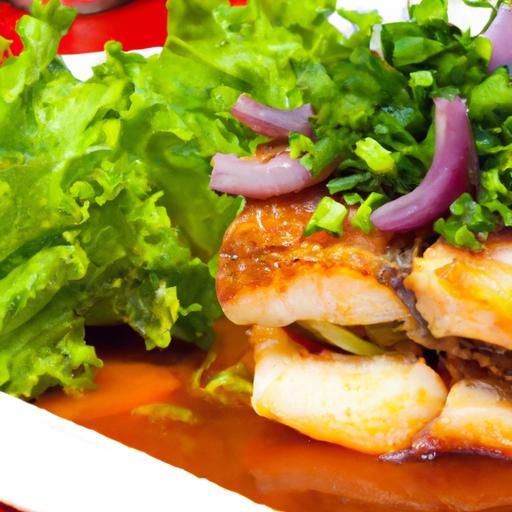

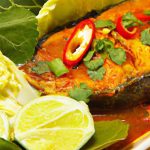

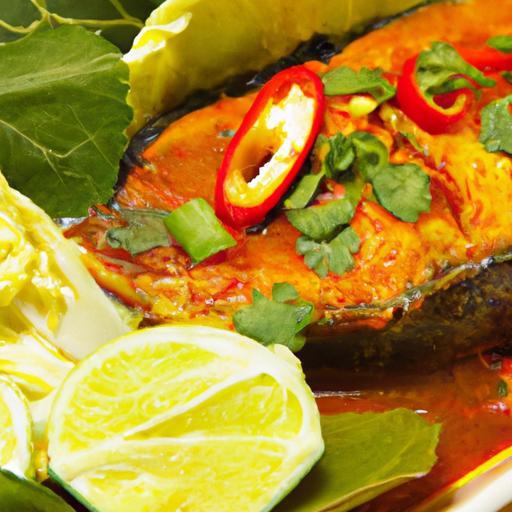

In the vibrant tapestry of Vietnamese cuisine, few dishes embody the harmony of flavor and tradition as vividly as Ca Kho To. This beloved caramelized fish, slowly simmered in a rich, sweet-savory sauce within a rustic clay pot, offers a sensory journey that captures the heart of Vietnam’s coastal heritage. From the first fragrant steam that escapes the lid to the final tender bite, ca Kho To is more than just a meal-it’s a festivity of patience, craftsmanship, and the deep-rooted flavors that have delighted Vietnamese tables for generations. Join us as we delve into the story behind this irresistible dish, exploring its ingredients, cooking techniques, and the cultural significance that makes it a true culinary treasure.
Savoring Ca Kho To transforms a humble clay pot into a vessel of rich, caramelized magic-this iconic Vietnamese dish is celebrated for its deep layers of flavor and cultural soul. Originating from Southern Vietnam, Ca kho To is more than just fish cooked in a clay pot; it is indeed an elegant interplay of sweet, savory, and umami notes perfectly balanced with traditional cooking techniques that bring out the authentic essence of the dish. Welcome to an immersive experience where the perfect fish varieties, masterful sauce crafting, and thoughtful side pairings take center stage.
Prep and Cook Time
- Preparation: 15 minutes
- Cooking: 40 minutes
- Total Time: 55 minutes
Yield
this recipe serves 4 hearty portions-ideal for a family meal or intimate dinner.
Difficulty Level
Medium – Requires attentiveness to sauce caramelization and timing for tender fish.
Ingredients
- 1.5 lbs fresh catfish fillets, cut into large chunks (alternatively, use snakehead or basa fish for authentic flavor)
- 3 tbsp fish sauce (high quality for balanced saltiness)
- 2 tbsp dark caramel sauce (or homemade caramelized sugar)
- 3 tbsp palm sugar or brown sugar
- 4 garlic cloves, finely minced
- 2 shallots, thinly sliced
- 1-2 bird’s eye chilies, sliced (optional, for controlled heat)
- 1 tbsp black pepper, freshly ground
- 200 ml coconut water or filtered water
- 2 tbsp vegetable oil (neutral oil)
- Fresh scallions, chopped, for garnish
- Pickled mustard greens (optional side)
Instructions
- Prepare the caramel sauce: In a small saucepan, gently melt 2 tbsp sugar over medium heat without stirring, swirling occasionally until sugar turns deep amber. Immediately remove from heat and carefully stir in 2 tbsp water to stop cooking.Set aside.
- Heat your clay pot or heavy-bottomed pan: Add vegetable oil and gently sauté minced garlic, sliced shallots, and bird’s eye chilies until fragrant and translucent, about 3 minutes.
- Introduce the fish chunks: Arrange carefully in the pot, then drizzle with fish sauce, black pepper, and palm sugar. Pour in the coconut water to just cover the fish halfway.
- Add the caramel sauce: Pour the prepared caramel evenly over the fish. Avoid stirring once fish is in the pot to prevent breaking delicate flesh.
- simmer gently: Cover the pot and cook on low heat for 30-40 minutes. open pot occasionally to baste fish with reduced sauce, ensuring a glossy, sticky finish. The sauce should become thick and intensely caramelized, coating the fish beautifully.
- Final touch: Remove the lid during the last 5 minutes to allow excess liquid to evaporate and intensify the sauce’s richness.
- Garnish: sprinkle with chopped fresh scallions and black pepper before serving.
Tips for Success
- Fish Selection: Opt for firm, fresh white-fleshed fish like catfish or snakehead-these varieties hold up well during braising and soak up the sauce without disintegrating.
- Caramel Control: Achieving the perfect amber caramel is pivotal-watch sugar closely while melting to avoid bitterness.
- Low and Slow: Maintain a gentle simmer; vigorous boiling can toughen the fish and caramel.
- Make-ahead: Ca Kho To tastes even better the next day as flavors meld. Refrigerate and reheat gently in the clay pot or skillet, adding a splash of water if the sauce thickens too much.
- Substitutions: For sweetness, palm sugar delivers depth; brown sugar works if unavailable, but expect a slightly different flavor nuance.
Serving suggestions
This dish is best enjoyed with steamed jasmine rice that absorbs the luscious sauce, balancing the caramel’s sweetness and the fish’s savor. Complement with rau muống xào tỏi (stir-fried water spinach with garlic) or a crisp papaya salad for texture contrast.
For garnishing, sprinkle crushed roasted peanuts or fried shallots to add crunch, or fresh herbs like fragrant Thai basil or coriander for herbal brightness. A wedge of lime on the side introduces a fresh acidity boost that wakes the palate, making every bite unforgettable.

Choosing Your Fish for Savoring Ca Kho To
To truly savor Ca Kho To, selecting the right fish is crucial. Muong (snakehead fish) is prized in Vietnam for its firm flesh and mild flavor that stands up beautifully to the caramelized sauce. Alternatively, catfish is widely available internationally and offers a similar hearty texture. Basa fish is another popular choice, with its delicate sweetness complementing the salty, sweet sauce perfectly.
Mastering Traditional Cooking techniques for a rich Caramelized Finish
The hallmark of Ca Kho To’s irresistible taste is its thick, glossy caramelized sauce. This is perfectly achieved through slowly simmering the fish and sauce mixture in a clay pot. The pot’s even heat distribution encourages gradual caramelization of sugars and spices without combusting, resulting in a sticky, complex coating. Patience is key-avoid rushing the process with high heat or constant stirring.
Complementing Sides for an Unforgettable Vietnamese Meal
Balance the rich and intense flavors of the dish with traditional Vietnamese sides that enhance and refresh the palate. Stir-fried morning glory with garlic delivers a lightly bitter crunch, while pickled mustard greens cut through the richness with acidity. A bowl of steamed rice is essential to soak up the sauce,making every mouthful a complete experience. For further inspiration on Vietnamese sides, the Vietnam Country Tours Vietnamese Food Guide offers a wealth of ideas and cultural context.
| Nutrition (per serving) | Amount |
|---|---|
| Calories | 420 kcal |
| Protein | 38 g |
| Carbohydrates | 20 g |
| Fat | 18 g |
Q&A
Q&A: Savoring Ca Kho To: Vietnam’s Irresistible Caramelized Fish
Q1: What is Ca Kho To?
A1: Ca Kho To is a beloved Vietnamese dish featuring fish slowly braised in a caramelized sauce.The name translates to “fish caramelized in a clay pot,” highlighting both the cooking method and the signature vessel that deepens flavors and infuses the dish with a rustic charm. It’s a harmonious balance of sweet,salty,and umami notes that create a rich,sticky glaze coating the tender fish.
Q2: What types of fish are traditionally used in Ca kho To?
A2: The classic choice is usually catfish, prized for its firm, flaky texture that holds up well during slow cooking. However, regional variations might include snakehead fish or other freshwater species native to Vietnam, each imparting subtle differences in flavor and texture but always absorbing the caramelized sauce beautifully.Q3: What makes the caramelization in Ca Kho To so special?
A3: The magic lies in the careful preparation of the caramel sauce (called kho), which is crafted by melting sugar until it achieves a deep amber color before adding fish sauce, black pepper, and other aromatics. This process creates a luscious, bittersweet glaze that clings to the fish, marrying sweetness with savory depth-a hallmark of Vietnamese cooking’s deft balance.
Q4: Why is the clay pot critically important for cooking Ca Kho To?
A4: The clay pot is more than a cooking vessel; it’s a flavor enhancer. Its thick walls distribute heat evenly and slowly, allowing the fish and sauce to meld together gently. The pot’s porous nature also absorbs flavors over time, enriching each subsequent batch of caramelized fish with an evolving depth and smokiness.Q5: What are the essential ingredients aside from fish and caramel?
A5: Key players include fish sauce, which contributes salty umami; fragrant shallots and garlic for aromatic depth; black pepper for subtle heat; and sometimes a touch of chili for warmth.Fresh herbs like scallions or cilantro are often added at the end for brightness. The balance between these ingredients is crucial to achieving that signature, irresistible glaze.Q6: How is Ca Kho To typically enjoyed in Vietnam?
A6: Ca Kho To is a beloved home-cooked comfort food, traditionally served piping hot from the clay pot alongside steamed white rice. The rice acts as a neutral canvas, soaking up the rich caramel sauce, creating a perfect harmony of flavors that’s both simple and deeply satisfying.
Q7: Can Ca Kho To be prepared without a clay pot?
A7: Absolutely. While a clay pot enhances the dish, a heavy-bottomed pot or cast-iron skillet can also be used to replicate even heat distribution. The key is slow, gentle simmering to allow the sauce to thicken and the flavors to concentrate until the fish is tender and lacquered in that irresistible caramel glaze.
Q8: What cultural significance does Ca Kho To hold in Vietnamese cuisine?
A8: Beyond its delectable taste, Ca Kho To embodies the Vietnamese ethos of balancing flavors and honoring simple ingredients. It’s a staple at family meals and festive gatherings, symbolizing warmth, togetherness, and the art of slow cooking that transforms humble fish into a celebration of texture and taste.
Q9: Are there any modern twists to Ca kho To?
A9: Contemporary cooks sometimes experiment by using different types of fish or adding exotic spices like star anise or cinnamon to the caramel sauce for layered complexity. Some also incorporate fresh chili varieties or tamarind for added acidity, showcasing the dish’s versatility while respecting its traditional roots.
Q10: What tips can definitely help a home cook perfect Ca Kho To?
A10: Success lies in patience and attention to detail. don’t rush the caramel-making process-let the sugar reach the right color before adding liquids to avoid bitterness. Keep the heat low during cooking to prevent the sauce from burning, and occasionally spoon the sauce over the fish to ensure even glazing. A final sprinkle of fresh herbs elevates the dish from hearty to sublime.
The Conclusion
As the final notes of ca Kho To’s rich, caramelized aroma linger in the air, one thing is clear: this beloved Vietnamese dish is more than just a meal-it’s a soulful celebration of tradition and taste. From the delicate balance of sweet and savory flavors to the tender, melt-in-your-mouth fish, every bite tells a story of heritage, patience, and passion. Whether you’re savoring it at a bustling street market in Ho Chi Minh City or recreating it in your own kitchen, Ca kho To invites you to slow down, appreciate the artistry of Vietnamese cuisine, and indulge in a culinary experience that’s as comforting as it is unforgettable. So next time you crave something truly special, let this caramelized delight transport you to the heart of Vietnam, one savory spoonful at a time.