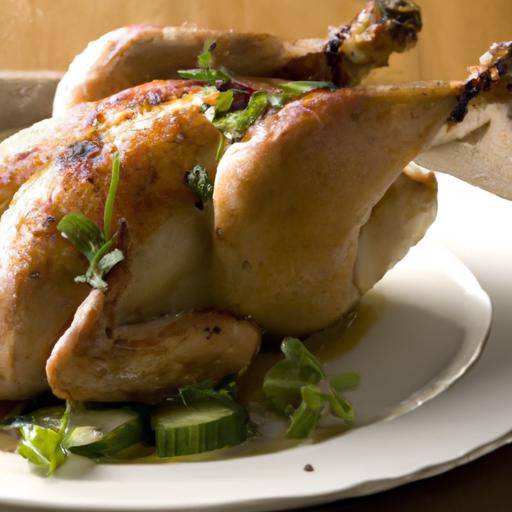

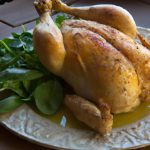
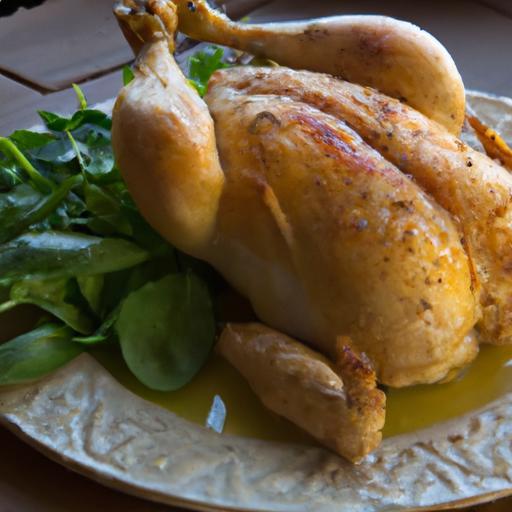

There’s something timeless about the aroma of herbs mingling with roasted chicken-the way fresh rosemary, thyme, and sage transform a simple breast into a symphony of flavors. Mastering herb-roasted chicken breast is not just about following a recipe; it’s an art that balances technique, seasoning, and patience to deliver juicy, tender meat with a golden, fragrant crust. Whether you’re a seasoned home cook or a curious beginner, this flavorful guide will unravel the secrets to elevating your chicken breast from ordinary to extraordinary, turning weeknight dinners into memorable culinary experiences. Get ready to unlock a world where herbs take centre stage, and every bite tells a story.
Mastering herb-roasted chicken breast is an art that elevates a simple cut into a moist, flavorful centerpiece bursting with freshness and tender juiciness.This technique blends the science of selecting the perfect chicken breast with the artistry of an herb-infused crust, unlocking layers of aromatic complexity on every bite. Whether you’re preparing a weeknight dinner or impressing guests, the result is consistently succulent and downright irresistible.
Prep and Cook Time
- Readiness: 15 minutes
- Marinating (optional): 30 minutes to 2 hours
- Cooking: 25-30 minutes
- Total Time: Approximately 45 minutes to 2.5 hours
Yield
- Serves 4 generous portions
Difficulty Level
- Easy – Perfect for beginner and intermediate home chefs
Ingredients
- 4 boneless, skinless chicken breasts (around 6 oz each), patted dry
- 3 tbsp extra virgin olive oil
- 2 garlic cloves, finely minced
- 1 tsp freshly grated lemon zest
- 2 tbsp fresh rosemary, finely chopped
- 2 tbsp fresh thyme leaves, stripped from stems
- 1 tbsp fresh flat-leaf parsley, finely chopped
- 1 tsp smoked paprika
- 1 tsp kosher salt
- ½ tsp freshly cracked black pepper
- Juice of ½ lemon
- Optional: 1 tsp Dijon mustard for added depth
Instructions
- Prepare the chicken breasts. Start by selecting high-quality, fresh chicken breasts with even thickness. For optimal juiciness, gently butterfly thicker breasts or pound them lightly between sheets of parchment paper to ensure uniform cooking.
- Mix the herb blend. In a small bowl, combine olive oil, minced garlic, lemon zest, rosemary, thyme, parsley, smoked paprika, salt, pepper, and optional Dijon mustard. Stir until the mixture forms a fragrant, slightly thick paste.
- Marinate the chicken. Rub the herb blend generously over each chicken breast, ensuring full coverage. Place the breasts in a shallow dish, cover, and refrigerate for at least 30 minutes, up to 2 hours, to allow the flavors to penetrate deeply.
- Preheat your oven. Set at 400°F (200°C). Meanwhile, remove the chicken from the fridge to reach room temperature for about 10 minutes, which promotes even cooking.
- Sear the chicken breasts. Heat a large oven-proof skillet over medium-high heat. Add a teaspoon of olive oil and sear the chicken breasts for 2-3 minutes per side, until they develop a gorgeous golden crust. This locks in juices and adds texture.
- Transfer to the oven. Place the skillet directly into the preheated oven and roast for 15-20 minutes, or until the internal temperature reaches 160°F (71°C) when tested at the thickest part. The chicken will continue to cook slightly while resting.
- Rest before slicing. Remove the skillet and let the chicken rest for 5-7 minutes under loose foil. This crucial step allows juices to redistribute, ensuring each bite is moist and tender.
- Finish with a squeeze of fresh lemon juice. This brightens the flavors and adds a fresh, zesty lift just before serving.
Tips for success
- Choose chicken breasts of uniform size to ensure even cooking-if needed, butterfly or pound thicker pieces.
- Allow the herb blend to marinate for at least 30 minutes, but longer times (up to 2 hours) deepen flavor impact.
- Don’t skip the pan sear-this golden crust is a flavor powerhouse that also seals in moisture.
- Use a meat thermometer to avoid overcooking; pulling at 160°F provides perfect doneness.
- For a dairy-free variation, replace olive oil with avocado oil for a subtle, nutty flavor.
- Make ahead: marinate the chicken breasts overnight; refrigerate and bring to room temperature before cooking.
Creative Side Pairings to Elevate Your Herb-Roasted Chicken Experience
complement your herb-roasted chicken breast with sides that balance its vibrant herbal notes and juicy texture.
- Garlic Parmesan Roasted Asparagus: Roasted spears with a sprinkle of nutty Parmesan add crisp contrast.
- Lemon Herb Quinoa Salad: Fluffy quinoa tossed with cucumbers, cherry tomatoes, fresh herbs, and a zesty lemon vinaigrette.
- Buttery Mashed cauliflower: A creamy,low-carb alternative that softens the palate and pairs beautifully with the chicken’s herbs.
- Honey-Glazed Carrots: sweetness acts as a counterpoint to the savory notes, brightening the plate.
- Light Mediterranean Couscous: With olives, sun-dried tomatoes, and fresh basil for a colorful, fragrant side.
Consider garnishing your plate with a sprinkle of fresh thyme or a lemon wedge to visually and flavorfully enhance the dish.
| nutrient | Per Serving (approx.) |
|---|---|
| Calories | 320 kcal |
| Protein | 45 g |
| Carbohydrates | 2 g |
| Fat | 12 g |

For more inspiration on elevating your poultry dishes, explore our detailed guide on Classic Roast Chicken.To deepen your understanding of herb combinations and cooking techniques, visit Serious Eats: Herbs for Cooking.
Q&A
Q&A: Mastering Herb-Roasted Chicken Breast: A Flavorful Guide
Q1: What makes herb-roasted chicken breast different from other chicken cooking methods?
A1: Herb-roasted chicken breast brings together the gentle heat of the oven and fragrant herbs, creating a perfectly juicy, tender meat with an aromatic crust. unlike pan-frying or boiling, roasting allows the herbs’ essential oils to infuse deeply, producing a depth of flavor that’s both subtle and vibrant.
Q2: Which herbs are best suited for roasting chicken breast?
A2: Classic herbs like rosemary, thyme, sage, and oregano complement chicken beautifully. They release earthy, piney, and slightly minty notes that enhance the poultry’s natural sweetness. Fresh herbs work wonderfully for their shining flavor, but dried variants are excellent for a more concentrated taste.
Q3: How do I ensure the chicken breast stays moist when roasting?
A3: The key is to avoid overcooking. Brining the breasts briefly in a saltwater solution before roasting can definitely help keep the meat juicy. Additionally, roasting at a moderate temperature (around 375°F/190°C) and using a meat thermometer to reach an internal temperature of 165°F (74°C) ensures perfectly cooked, succulent meat.
Q4: Can I prepare herb-roasted chicken breast in advance?
A4: absolutely! You can marinate the chicken breast with herbs and olive oil the night before to deepen the flavor. Once roasted, it can be reheated gently or served cold-perfect for salads or sandwiches later in the week.
Q5: What complementary side dishes pair well with herb-roasted chicken breast?
A5: Vegetables roasted alongside the chicken, like carrots, potatoes, and brussels sprouts, make a harmonious and hassle-free pairing.For a lighter touch, a crisp green salad with lemon vinaigrette or a fluffy quinoa pilaf highlights the herbaceous qualities of the chicken.Q6: Is it better to use skin-on or skinless chicken breast for herb roasting?
A6: Skin-on chicken breast can develop a wonderfully crispy, herb-infused crust, locking in moisture beneath. Though, if you prefer leaner meat, skinless breasts can also shine when well-seasoned and roasted carefully to avoid dryness.
Q7: How can I add extra flavor layers without overpowering the herbs?
A7: introducing aromatics like garlic,lemon zest,or a splash of high-quality olive oil complements herb flavors beautifully without overshadowing them. These ingredients enhance the savory profile while keeping the dish balanced and fresh.
Q8: What’s the easiest way to coat the chicken breast evenly with herbs?
A8: Create a simple herb paste by finely chopping fresh herbs, mixing them with minced garlic, salt, pepper, and olive oil. Rub this mixture generously over the chicken before roasting to ensure each bite bursts with flavor.
Q9: Can herb-roasted chicken breast be adapted for grilling or stovetop cooking?
A9: While roasting is ideal for even cooking and herb infusion, the herb paste technique translates well to grilling or pan-searing. Just be mindful of cooking times and heat to maintain moisture and prevent charring.
Q10: How do I know when my herb-roasted chicken breast is perfectly done?
A10: Using a meat thermometer is foolproof-the internal temperature should read 165°F (74°C). Additionally, the juices should run clear when pierced, and the meat should feel firm but springy to the touch. This signals juicy, safe-to-eat chicken bursting with aromatic herbs.
Concluding Remarks
As you embark on your herb-roasted chicken breast journey, remember that mastery lies both in technique and in the joyful experimentation with flavors. Each herb, each pinch of seasoning, turns a simple chicken breast into a canvas of aromatic delight. With the tips and tricks shared in this guide, you’re equipped not only to cook confidently but to infuse every bite with mouthwatering magic.So, fire up your oven, gather your favorite herbs, and let your kitchen become a haven of savory creativity-because mastering herb-roasted chicken breast isn’t just about the recipe, it’s about crafting moments of tasty satisfaction, one perfectly roasted bite at a time.