




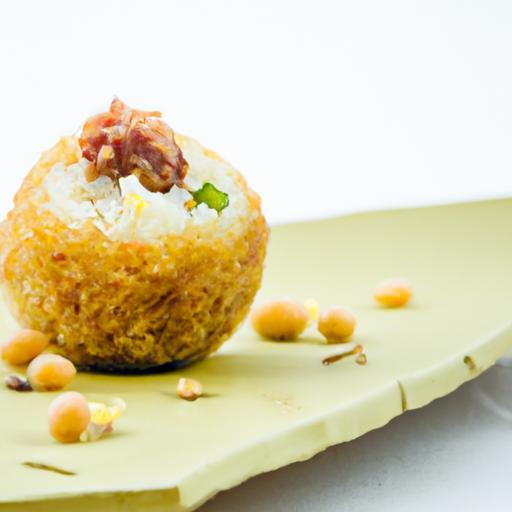

In the vast and vibrant world of Japanese cuisine, few snacks capture the perfect balance of simplicity and flavor quite like onigiri.Among its many delightful variations, the humble umeboshi rice ball stands out with a tangy punch that both surprises and satisfies.”Onigiri Delight: Exploring Umeboshi’s Tangy rice Ball Charm” invites you on a culinary journey to uncover the history, cultural significance, and unique taste of this iconic snack. From the crackling bite of salted plum to the soft, comforting embrace of seasoned rice, discover how umeboshi transforms an everyday treat into a timeless treasure. Whether you’re a seasoned foodie or a curious newcomer, prepare to savor the story behind this quintessential Japanese delicacy.
Onigiri Delight: Exploring Umeboshi’s Tangy Rice Ball Charm
Onigiri Delight: Exploring Umeboshi’s Tangy Rice Ball Charm invites you on a journey into a humble yet iconic Japanese street snack that has captivated taste buds for centuries. Originating as a practical and portable meal for travelers and samurai alike, onigiri-rice balls shaped by hand-reflect Japan’s rich food heritage, with umeboshi (pickled plum) at its heart lending that unmistakable tangy punch.
The zing of umeboshi not only breaks through the mellow sweetness of the rice but also carries deep cultural symbolism: a token of good health and longevity traditionally packed in lunchboxes to ward off fatigue and illness. This recipe post will guide you through the origins,the tantalizing flavor profile,health benefits,and how to craft and serve your very own perfect umeboshi onigiri.
Prep and Cook Time
- Readiness: 15 minutes
- Cooking: 20 minutes (rice cooking time included)
- Total Time: 35 minutes
Yield
Makes 6 medium-sized onigiri (about 120g each)
Difficulty Level
Easy - Ideal for beginners eager to explore Japanese comfort food
Ingredients
- 2 cups Japanese short-grain rice, rinsed and soaked for 30 minutes
- 2 1/4 cups water
- 6 umeboshi (pickled plums), pitted and halved
- 1 tsp sesame seeds (optional, toasted)
- 1 tsp salt
- wasabi or shiso leaves (optional) for added flavor layer
- Roasted seaweed sheets (nori) cut into strips
- Neutral oil or water for wetting hands to prevent sticking
Instructions
- cook the rice: Drain soaked rice and place it in a rice cooker or pot with 2 1/4 cups water. Cook until fluffy-approximately 15 minutes. Let rest with the lid on for 10 minutes to finish steaming.
- Prepare your workspace: Wipe down a clean surface and keep a small bowl of salted water or lightly oiled water next to you to prevent rice from sticking to your hands.
- Mix and season: Fluff the rice gently with a rice paddle or wooden spoon, seasoning lightly with salt. Avoid overmixing.
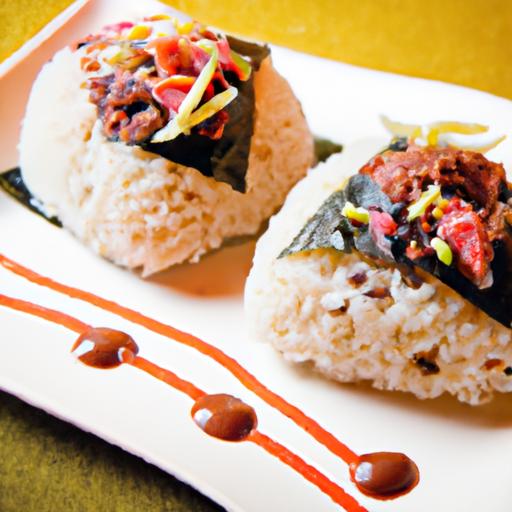
- Shape the onigiri: Wet your hands, grab about 1/2 cup of rice, and flatten it into a small mound in your palm. Place half an umeboshi in the center, then fold rice around it and gently press into a compact triangle or oval shape. Keep the pressure firm but gentle enough to avoid crushing the rice grains.
- Add finishing touches: Sprinkle lightly with toasted sesame seeds if using.Wrap a strip of nori around the base or leave the entire ball wrapped for added texture and saltiness.
- Optional flavor boosts: Insert a thin shiso leaf under the rice or brush lightly with wasabi for a refined edge.
- Serve immediately or store: Onigiri is best enjoyed warm or at room temperature. Wrap tightly in plastic wrap if storing and consume within 24 hours.
Tips for Success: Crafting the Perfect Umeboshi Onigiri
- Rice Ideal: Use Japanese short-grain rice for its sticky texture which holds shape beautifully without crumbling.
- Keep hands moist: Salty water acts as both a non-stick agent and a subtle seasoning boost.
- Flavor variations: try mixing some furikake (Japanese rice seasoning) into the rice or experiment with different types of umeboshi, ranging from mild to intensely sour.
- Texture alert: Avoid overpacking the rice - firm but airy texture makes for more pleasant bites.
- Make-ahead: Prepare rice and shape onigiri, then freeze individually wrapped for speedy grab-and-go snacks. Thaw at room temperature.
Serving Suggestions to Enhance Your Onigiri experience
Onigiri Delight: Exploring Umeboshi’s Tangy Rice Ball Charm truly shines when thoughtfully paired. Present your onigiri on a bamboo leaf or rustic wooden platter to elevate the visual charm and evoke conventional Japanese aesthetics.
- Serve alongside a bowl of steaming miso soup with wakame and scallions to balance the tang.
- Offer pickled vegetables such as takuan (pickled daikon) or crisp edamame for complementary textures.
- for a refreshing twist, a light green tea or cold barley tea will cleanse the palate between bites.
- Garnish with finely sliced shiso leaves or a drizzle of soy sauce to add umami depth.

| Nutrition per onigiri | Amount |
|---|---|
| Calories | 180 kcal |
| Protein | 3.5 g |
| carbohydrates | 38 g |
| Fat | 0.5 g |
For a deeper dive into authentic Japanese rice-based dishes, check out our Guide to japanese Rice Dishes. Additionally, explore the cultural significance of umeboshi on Britannica’s detailed article.
Q&A
Q&A: Onigiri delight: Exploring Umeboshi’s Tangy Rice Ball Charm
Q1: What is onigiri, and why is it so beloved in Japanese cuisine?
Onigiri, often called Japanese rice balls, is a simple yet iconic snack made from seasoned white rice molded into shapes like triangles or ovals. Encased within or topped with various fillings, onigiri is cherished for its portability, comforting texture, and versatility-making it a staple for lunchboxes, picnics, and quick bites throughout Japan.
Q2: What makes umeboshi such a special filling for onigiri?
Umeboshi are pickled ume fruits known for their penetrating tang and salty-sour punch. When nestled inside a soft mound of rice, their intense flavor beautifully contrasts the mild, slightly sticky rice, elevating each bite with a burst of umami and vibrant zest. this harmony creates a culinary experience that’s both refreshing and deeply nostalgic.
Q3: Can you describe the taste profile of umeboshi?
Umeboshi boasts a complex taste-initially striking with a sharp sourness balanced by a salty undertone, followed by subtle fruity and fermented notes. This bold combination stimulates the palate, frequently enough awakening the senses much like a citrus tang, yet with an earthy depth unique to Japanese pickling traditions.
Q4: How is umeboshi onigiri typically prepared?
A classic umeboshi onigiri begins with perfectly cooked Japanese short-grain rice, which is then shaped by hand or mold into a triangle or oval. A small spoonful of umeboshi is placed in the center before sealing the rice around it. Sometimes, a strip of nori seaweed wraps the exterior, adding a slight crispness and additional umami seasoning.
Q5: Are there any health benefits associated with umeboshi?
Indeed, umeboshi is prized not just for flavor but also its digestive qualities. Traditionally considered a natural remedy for fatigue, it contains antioxidants and organic acids that may aid digestion and help balance the body’s pH. Plus, paired with rice, it offers a satisfying energy boost grounded in wholesome ingredients.
Q6: What varieties of umeboshi exist, and do they affect the taste of onigiri?
Umeboshi can vary in color and flavor depending on factors like ripeness and curing methods. Some are deeper red, often made with red shiso leaves, lending a more aromatic and slightly herbal note; others are lighter and milder. These subtle differences can shift the flavor profile of onigiri, from sharply tangy to gently mellow, offering diverse experiences within this classic snack.
Q7: Are there modern twists on umeboshi onigiri worth trying?
Absolutely! Contemporary chefs and home cooks experiment by combining umeboshi with ingredients like toasted sesame seeds, shiso leaf blends, or even mixing it with mayo for a creamy tang. While staying true to its roots, these innovations keep the umeboshi onigiri tradition fresh, inviting curious palates to rediscover an age-old delight.
Q8: How does umeboshi onigiri reflect Japanese culture?
Umeboshi onigiri embodies the Japanese philosophy of balancing simplicity with depth. It celebrates the bounty of natural ingredients-rice and ume-in perfect harmony, highlighting seasonality and meticulous preparation. This humble rice ball tells a story of preservation, comfort, and mindful eating that resonates on a personal and cultural level.
Future Outlook
As the humble onigiri continues to capture hearts and palates worldwide, the umeboshi-filled variety stands out as a testament to Japan’s unique ability to transform simple ingredients into profound culinary experiences. Its tangy, salty bite not only awakens the taste buds but also carries with it centuries of tradition and cultural significance. Whether enjoyed as a quick snack or a comforting reminder of home, umeboshi onigiri invites us to savor the delicate balance between flavor and history wrapped in a modest rice ball. So next time you crave a burst of umami brilliance, let umeboshi guide you on a delightful journey through Japan’s rich gastronomic heritage-one tangy bite at a time.