




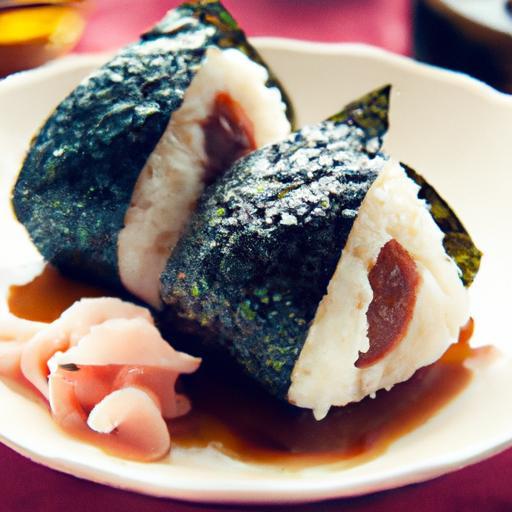

In the bustling tapestry of Japanese cuisine, where sushi and ramen often steal the spotlight, a humble yet iconic delicacy quietly holds a cherished place in the hearts and hands of many: the umeboshi onigiri. This tangy rice ball, packed with the sharp, salty-sour punch of pickled ume plums, is more than just a snack-it is a flavorful story rolled into a compact, handheld tradition. From lunchboxes to convenience stores, umeboshi onigiri reveals a unique blend of history, culture, and simple culinary craftsmanship. Join us as we unwrap the layers of this tangy treasure and discover why umeboshi onigiri remains a timeless emblem of Japan’s gastronomic heritage.
The Origins and Cultural Significance of Umeboshi Onigiri in Japanese Cuisine
Umeboshi Onigiri stands as one of Japan’s most iconic and beloved rice ball creations, treasured for its bright tang and storied history. Rooted deeply in Japanese culinary tradition, these salty-sour plum rice balls were originally crafted as a portable, long-lasting lunch for samurai warriors and travelers. The umeboshi-the pickled ume fruit-is said to have medicinal properties, aiding digestion and combating fatigue, making onigiri stuffed with this ruby gem not just a snack, but a revitalizing energy boost.
The unique tang of umeboshi onigiri is more than flavor; it carries with it the spirit of Japanese minimalism and respect for natural preservation methods. Passing from generation to generation, these rice balls were often lovingly wrapped in fragrant bamboo leaves and packed into bento boxes, symbolizing care and nourishment shaped by centuries of culture and culinary intellect.
The Art of Crafting the Perfect Tangy Umeboshi Filling
mastering the perfect umeboshi filling is a delicate balance of tang, saltiness, and texture. Authentic umeboshi vary in intensity, so selecting the right plum can elevate your onigiri to an art form. The first step is to gently pit each umeboshi, taking care to retain the characteristic soft flesh that melts into the rice. Combining this with freshly steamed, slightly sticky Japanese short-grain rice ensures that each bite bursts with vibrant flavor, while the chewy plum’s acidity cuts through the mildness of the rice.
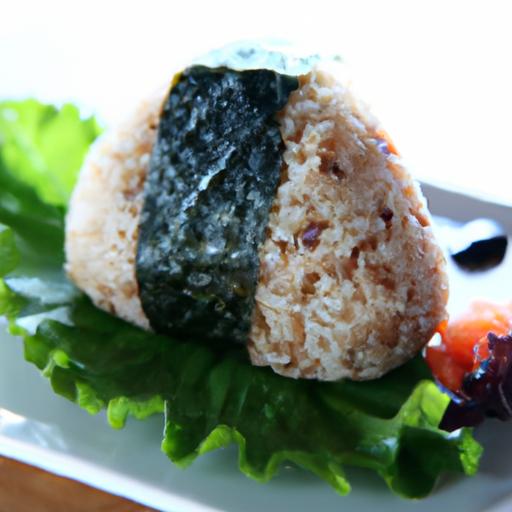
Hands-on crafting is part of the pleasure: shaping onigiri by hand connects you with the food and tradition. A small indentation in the center of the rice mound is filled with a whole or minced umeboshi,then sealed with more rice,creating a compact orb of taste and texture.For visual contrast, wrap the ball lightly in nori seaweed, which adds an umami depth and crisp bite.
Selecting the Finest Ingredients for Authentic Umeboshi Onigiri
To create truly authentic umeboshi onigiri, ingredient quality is paramount. Start with premium Japanese short-grain rice, such as Koshihikari or Sasanishiki, known for their stickiness and subtle sweetness. This rice binds perfectly around the umeboshi filling, holding its shape without crumbling.
- Umeboshi plums: Choose traditionally pickled, naturally fermented umeboshi with a deep red or purplish hue-these indicate a balanced saltiness and acidity.
- Nori seaweed sheets: Opt for crisp, dark-green sheets to complement the tangy filling and add a textural dimension.
- Seasonal additives: While simplest is best,a sprinkle of toasted sesame seeds or shiso leaves can provide herbal notes,elevating the flavor profile.
Avoid umeboshi varieties with artificial coloring or additives to honor the time-honored methods and pure taste of this classic.
Expert Tips for Enjoying and Storing Umeboshi Onigiri to Maximize Flavor
Enjoying umeboshi onigiri at its peak involves attention not just to readiness but to storage and serving. These rice balls shine when freshly made and mildly warm, allowing the rice’s gentle sweetness to contrast beautifully with the umeboshi’s tang. If packing for later, wrap each onigiri in plastic wrap instantly after shaping to trap moisture and prevent drying.
For short-term storage, place wrapped onigiri in an airtight container within the refrigerator, but consume within 24 hours to enjoy optimal texture.Before eating,allow them to come to room temperature or briefly warm them wrapped in a damp paper towel to soften the rice without heating the umeboshi excessively.
Pairing umeboshi onigiri with a cup of green tea or a side of pickled vegetables enhances the overall tasting experience, balancing the palate with bitter and crunchy contrasts. For a portable snack or midday pick-me-up, these rice balls maintain tradition and deliver bold flavor with simplicity.
Prep and Cook Time
- Prep Time: 20 minutes
- Cook Time: 25 minutes (rice cooking)
- Total Time: 45 minutes
Yield
Makes 6 medium-sized umeboshi onigiri (about 100 grams each)
Difficulty Level
Easy
Ingredients
- 2 cups Japanese short-grain rice, rinsed until water runs clear
- 2 ½ cups water
- 6 whole umeboshi plums (pitted if preferred for easier eating)
- 6 sheets nori seaweed, cut into 2-inch wide strips
- 1 teaspoon toasted sesame seeds (optional)
- Salt for seasoning hands
Instructions
- Cook the rice: Place rinsed rice and water in a rice cooker or heavy saucepan. If using a saucepan, bring to a boil, then reduce heat to low, cover tightly, and simmer for 15 minutes. Remove from heat and let rest for 10 minutes.
- Prepare your workspace: Wet your hands with water and lightly salt your palms to prevent rice from sticking.
- Shape the onigiri: Take a handful (about ¾ cup) of warm rice and flatten it gently in your palm.
- Add umeboshi filling: Place one umeboshi or a small portion of minced umeboshi in the center of the rice.
- Form the rice ball: Fold rice around the umeboshi, pressing gently but firmly into a triangle or ball, ensuring it’s compact but not crushed.
- Wrap the nori: Wrap one strip of nori around the formed onigiri, seam side down for presentation.
- Optional garnish: sprinkle lightly with toasted sesame seeds for a nutty aroma and contrasting bite.
- Repeat: Make the remaining five onigiri following the same steps.
Tips for Success
- Always use warm rice when shaping to ensure better adhesion and comfortable handling.
- Don’t overfill with umeboshi-its intense saltiness can overpower if too abundant.
- Use fresh nori just before serving to keep it crisp and flavorful.
- For a subtle twist,mix finely chopped shiso leaves with umeboshi before filling.
- Make ahead by shaping and wrapping, but avoid refrigeration longer than 24 hours to maintain texture.
Serving Suggestions
Present these umeboshi onigiri alongside a small dish of pickled ginger or crisp cucumber slices for a refreshing counterpoint.A steaming cup of sencha or hojicha tea complements the vibrant tang and provides a soothing balance.For a bento box, craft a colorful layout with steamed greens and tamagoyaki for a customary touch. Garnish with a tiny shiso leaf or furikake seasoning to enhance visual appeal and flavor complexity.
| Nutritional info (per onigiri) | Amount |
|---|---|
| Calories | 210 kcal |
| Protein | 4 g |
| Carbohydrates | 45 g |
| Fat | 1 g |

Explore more on traditional Japanese rice dishes in our Japanese Rice Recipes collection. For detailed history and health benefits of umeboshi, visit the Japan Guide’s umeboshi page.
Q&A
Q&A: Umeboshi Onigiri – Japan’s Tangy Rice Ball Tradition Revealed
Q1: What exactly is umeboshi onigiri?
A1: Umeboshi onigiri is a traditional japanese rice ball filled or topped with umeboshi - a tart, salty pickled plum known for its vibrant flavor and vivid red colour. The combination delivers a mouth-puckering tang balanced by the mildness of steamed rice, making it a beloved snack and lunchbox staple in Japan.
Q2: How did umeboshi onigiri become such a cultural icon?
A2: Its roots trace back centuries, when umeboshi’s preservative qualities made it a vital sustenance item for samurai and travelers. Rice balls wrapped in seaweed with umeboshi inside were portable, nourishing, and helped stave off spoilage, cementing their place in Japan’s culinary and cultural history.
Q3: What makes umeboshi so unique compared to other pickled fruits?
A3: Umeboshi isn’t just sour; it’s a complex blend of sour, salty, and slightly sweet notes, intensified by the fermentation process. The plum’s natural tartness is softened by salting and sun-drying,resulting in a flavor profile that’s both sharp and deeply savory – a true umami powerhouse.
Q4: How is an umeboshi onigiri traditionally made?
A4: Freshly steamed, short-grain rice is lightly seasoned with a pinch of salt, then shaped by hand into a triangle or ball. A single umeboshi is nestled inside or pressed on top,and the onigiri is often wrapped in a crisp sheet of nori (seaweed) for added texture and flavor.
Q5: Why do many Japanese peopel keep umeboshi in their lunchboxes?
A5: Umeboshi is often referred to as a natural preservative due to its antimicrobial properties. In old times, it helped keep rice safe to eat during long days without refrigeration. Today,it’s loved not only for this quirk but also for its digestive benefits and distinctive taste that brightens the meal.
Q6: Are there regional variations of umeboshi onigiri across Japan?
A6: Absolutely! Some regions use intensely salty umeboshi, while others prefer a softer, sweeter version. In certain areas, the rice may be mixed with sesame seeds or wrapped in different types of seaweed, reflecting local tastes and traditions.
Q7: Can umeboshi onigiri be made without seaweed?
A7: Yes! While nori adds a wonderful umami crunch, some people prefer umeboshi onigiri plain, especially if packing them ahead since the seaweed can become soggy over time. The beauty of onigiri lies in its versatility, so it can be tailored to texture preferences.
Q8: What health benefits does umeboshi offer?
A8: Umeboshi is praised for aiding digestion, reducing fatigue, and acting as an alkalizing agent in the body. Its organic acids stimulate saliva production, helping to balance the palate and support gut health, making it more than just a flavorful topping.
Q9: How can a foodie incorporate umeboshi onigiri into modern cuisine?
A9: Beyond classic rice balls, umeboshi can inspire sushi rolls, rice salads, or even fusion bowls. Its sharp tang cuts through rich flavors, providing a unique contrast and depth. Creative cooks are finding new ways to elevate this humble plum beyond tradition.
Q10: Where can newcomers try authentic umeboshi onigiri?
A10: Authentic umeboshi onigiri can be found in Japanese convenience stores, markets, and specialty shops across Japan.Many Japanese restaurants abroad also serve them as part of bento boxes or as snacks. For hands-on experience, making them at home opens a fun and flavorful window into Japanese culture.
The Way Forward
As you wrap up your journey through the tangy world of umeboshi onigiri, it’s clear that these humble rice balls are far more than just a simple snack. They carry centuries of Japanese heritage in every bite-an artful balance of sour plum, seasoned rice, and the deep cultural significance that transforms them from mere food to a cherished tradition. Whether enjoyed on a bustling streetside or packed carefully in a loved one’s lunchbox, umeboshi onigiri offers a unique taste of Japan’s past and present, reminding us that sometimes, the most unassuming dishes hold the richest stories. So next time you encounter one, take a moment to savor not just the flavor, but the history wrapped within those rice-filled triangles.