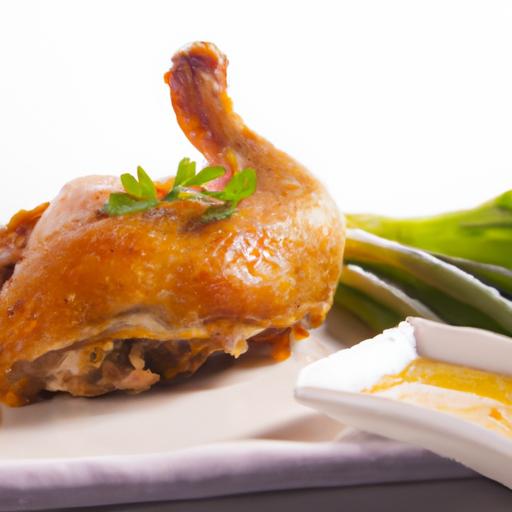




ThereS a quiet magic in the kitchen, an alchemy that transforms simple ingredients into culinary masterpieces. Among these secrets, one humble element stands unrivaled: salt. When it comes to chicken-one of the world’s most beloved and versatile proteins-the right balance of salt can be the difference between a bland, forgettable meal and a vibrant, juicy delight. In this exploration of “Unlocking Flavor: The Art of Perfect Chicken with Salt,” we delve into how this everyday mineral enhances texture, elevates taste, and unlocks layers of complexity. Join us as we uncover the science, techniques, and timeless wisdom behind salting chicken to perfection.
The Science Behind Salt and Its Role in Enhancing Chicken Taste
Unlocking flavor begins with understanding the profound impact of salt on chicken’s taste and texture. At its core, salt is a mineral compound that enhances natural flavors by altering the way our taste buds perceive food. When applied properly, salt draws moisture from the chicken’s surface and into its interior, dissolving proteins and transforming the meat’s structure. This process, called denaturation, tenderizes the flesh, helping chicken retain juiciness during cooking. Beyond just seasoning, salt acts as an enhancer, releasing savory notes and balancing the natural sweetness.
Choosing the Right Salt Type for Optimal Flavor and Texture
Not all salts are created equal, and choosing the correct type dramatically influences your chicken’s final character. Fine sea salt is excellent for even seasoning, dissolving quickly for a subtle yet thorough flavor boost. Kosher salt is favored by many chefs due to its coarse texture,which allows for better control and a clean,pure salt taste without overpowering. Flaky salts such as Maldon make a superb finishing touch, adding a delicate crunch and bursts of salty flavor. avoid overly iodized salts,which may impart a bitter note. The crystal size affects absorption rate and how deeply salt penetrates meat-matching salt type with your cooking method unlocks optimal flavor.
Mastering Brining Techniques to Boost Juiciness and flavor
Brining is a transformative technique for elevating chicken to juicy new heights. By immersing the meat in a salt-based solution, the chicken’s muscle fibers relax and absorb water infused with seasoning. The conventional wet brine combines salt with water, sugar, and optional aromatics (like garlic and herbs), saturating the meat evenly. For a quicker or less water-intensive method, a dry brine rubs salt directly onto the skin and flesh, drawing out moisture that then reabsorbs, concentrating flavor and encouraging crisp skin advancement when roasted.
When brining, precision is key: use about 1/4 cup kosher salt per quart of water for wet brines, and allow at least 2-4 hours for smaller cuts, or overnight for whole birds. Overbrining can result in a texture that’s too soft,so timing finely balances moisture retention and tenderness.
Timing and Application Tips for Perfectly Seasoned Chicken Every Time
Timing is as essential as technique in seasoning chicken correctly. For the best flavor penetration,salt your chicken at least 30 minutes before cooking-this lets the salt draw out surface moisture,which then reabsorbs,boosting juiciness and enhancing browning. For even deeper seasoning, brining several hours or overnight is ideal. avoid salting immediately before cooking unless pan-searing quickly, as the salt won’t have time to dissolve, and surface moisture may inhibit crispness.
Application should be consistent and thoughtful: sprinkle salt evenly over all surfaces to prevent pockets of over- or under-seasoning. Combine seasoning with other spices or herbs after brining to build layers of flavor.Lastly, pat chicken dry before roasting or grilling to ensure golden, crisp skin-a sign of perfectly timed salt application unlocking flavor and texture.
Prep and Cook Time
- Readiness: 10 minutes (+brining time if applicable)
- Cooking: 30-45 minutes (depending on method)
- Total Time: 40 minutes to overnight (with brining)
Yield
Serves 4 generous portions
Difficulty Level
Easy to Medium
ingredients
- 2 whole chicken breasts (bone-in, skin-on preferred)
- 1/4 cup kosher salt (for dry brine)
- 4 cups cold water (for wet brine)
- 1 tablespoon sugar (optional, for wet brine)
- 2 garlic cloves, smashed (for wet brine)
- 4 sprigs fresh thyme (for wet brine)
- Freshly ground black pepper (to taste)
- 2 tablespoons olive oil (for cooking)
Instructions
- Prepare the Brine: For a wet brine, combine water, kosher salt, sugar, garlic, and thyme in a large bowl until salt and sugar dissolve. Submerge chicken breasts fully and refrigerate for 4 to 8 hours. For dry brine, sprinkle kosher salt evenly over all sides of chicken, place on a wire rack over a baking sheet, and refrigerate uncovered for at least 2 hours or overnight.
- Remove Chicken & Dry: Take the chicken out of the brine. Rinse if wet brined, then thoroughly pat dry with paper towels-dry skin is crucial for crispness.
- Season: Lightly season with black pepper. Skip extra salt as brining supplies ample seasoning.
- Preheat cooking Surface: Heat olive oil in a skillet over medium-high heat until shimmering.
- Sear Chicken: Place breasts skin-side down. Sauté until golden brown, about 5-7 minutes, stirring occasionally to prevent sticking.
- Finish Cooking: Flip chicken and reduce heat to medium. Cook an additional 8-12 minutes, or until internal temperature reaches 165°F (74°C). Rest chicken for 5 minutes before slicing.
chef’s Notes
- For a flavor twist, add citrus zest or fresh rosemary to the brine.
- if pressed for time, a 30-minute dry brine at room temperature can still boost flavor significantly.
- Always use a reliable meat thermometer to avoid overcooking.
- Keep chicken uncovered in the fridge during dry brining for the crispiest skin.
- Use the leftover brine liquid for roasting vegetables to extend flavor harmony.
Serving Suggestions
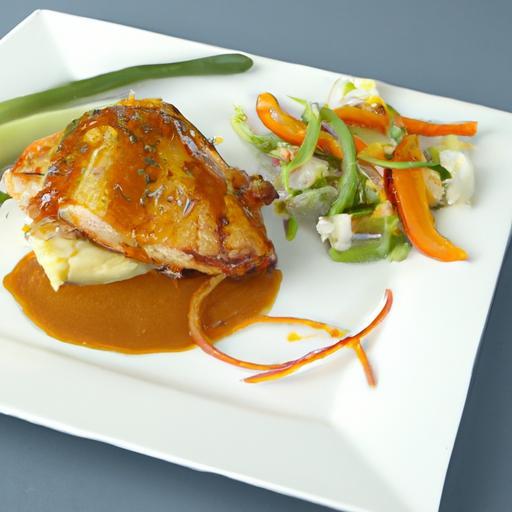
Serve your perfectly seasoned chicken with a drizzle of herb-infused olive oil and a vibrant garnish of chopped parsley or chives. Pair with roasted seasonal vegetables or a fresh Mediterranean salad for a balanced plate that highlights the juicy depth achieved from expert salting. To elevate presentation,a sprinkling of flaky finishing salt over the skin adds sparkle and textural contrast.

| Nutrient | Per Serving |
|---|---|
| Calories | 320 kcal |
| Protein | 45 g |
| Carbs | 0 g |
| Fat | 10 g |
For more insights on seasoning techniques, explore our Perfect Roasted Chicken Guide.To deepen your knowlege about salt’s culinary magic, visit ScienceDaily.
Q&A
Q&A: Unlocking Flavor – The Art of perfect Chicken with Salt
Q1: Why is salt considered the secret weapon in cooking chicken?
Salt is much more than just a seasoning-it’s a flavor amplifier and texture enhancer. When applied thoughtfully, salt draws out moisture from the chicken’s surface, then reabsorbs it, carrying the salty goodness deeper into the meat. This process not only seasons the chicken evenly but also helps break down proteins, resulting in tender, juicy bites that sing with flavor.
Q2: How does the timing of salting affect chicken’s flavor and texture?
Timing is everything. Salting chicken right before cooking enhances surface flavor but mainly seasons the outer layer. For deeper seasoning and improved juiciness, applying salt at least 30 minutes to a few hours ahead-or even using a salt-based dry brine-allows the salt to penetrate the meat fully. This results in a more flavorful, succulent chicken that holds onto moisture during cooking.Q3: What’s the difference between salting with kosher salt versus table salt?
Kosher salt’s larger, coarser crystals make it easier to control the amount and distribution, leading to more consistent seasoning and less risk of over-salting. Table salt is finer and denser, so it’s more concentrated by volume, which means you need to adjust quantities carefully to avoid overpowering the chicken. Many chefs prefer kosher salt for its texture and the subtle crunch it can add when sprinkled on skin.
Q4: Can salting affect the chicken’s skin? How do I achieve crispy, flavorful skin?
Absolutely! Salt is key to crispy chicken skin. Sprinkling salt on the skin helps draw moisture to the surface, which then evaporates during cooking, allowing the skin to crisp up beautifully. For extra magic, apply salt early and let the chicken rest uncovered in the refrigerator; this dry air exposure further dries the skin, creating a golden, crackling finish.
Q5: Is it best to salt chicken before or after cooking?
Salting before cooking is usually best for flavor penetration and improved texture. However,finishing with a light sprinkle of salt right after cooking can enhance contrast and lift the final dish’s flavor profile. Just be mindful of how much salt was used earlier to avoid overwhelming the palate.
Q6: How much salt should I use to season my chicken perfectly?
A general rule of thumb is about ½ teaspoon of kosher salt per pound of chicken, but this can vary based on personal taste and method. If dry brining, use enough salt to coat the surface evenly without leaving visible piles. Remember, it’s easier to add salt later than to fix an overly salty dish, so start moderate and adjust gradually.Q7: Can salt improve the flavor of both whole chickens and chicken pieces?
Yes! Salt enhances all cuts-whether it’s a whole bird or individual breasts and thighs. For whole chickens,salting under the skin and inside the cavity ensures thorough seasoning. For pieces, massaging salt onto each surface maximizes flavor and moisture retention.
Q8: Are there different salting techniques to experiment with when preparing chicken?
Certainly! From a fast dry rub to extended dry brining, salting offers versatility. you can try simple sprinkling, a salt soak (brining with just salt and water), or layering salt with herbs and spices for added complexity. Each technique unlocks unique textures and flavors-making salt the perfect starting point for culinary creativity.
Q9: Does the type of salt used impact the final flavor of the chicken?
Yes, each salt carries its own subtle personality: sea salt can add a hint of minerality, Hawaiian red salt offers earthiness, and smoked salts contribute a delicate smoky undertone. Selecting your salt thoughtfully lets you tailor the flavor, turning a straightforward chicken dish into an extraordinary experience.
Q10: What common mistakes should I avoid when salting chicken?
Avoid under-salting, as it leads to bland results, and over-salting, which can dry out or overpower the meat. Also, don’t salt and immediately cook without allowing time for the salt to work its magic. neglecting to adjust salt for the cooking method or additional salty ingredients can throw off the balance. Mastery lies in patience and attention to detail.
Unlocking the perfect chicken starts with a pinch of salt-an art blending science, timing, and a pinch of magic.Whether you crave juicy tenderness or crispy skin, salt is your trusty guide to deliciousness.
To Conclude
As we’ve uncovered, the humble grain of salt holds the power to elevate chicken from ordinary to extraordinary. Mastering the art of seasoning isn’t just about sprinkling-it’s about understanding how salt interacts with the meat’s fibers, unlocking juiciness, depth, and savory magic hidden within. So next time you reach for the salt shaker, remember: it’s not just a seasoning, but a key ingredient in crafting chicken that sings with flavor. With this knowledge in hand, every bite becomes a party of culinary science and simple brilliance-proving that sometimes, perfection truly is just a pinch away.