




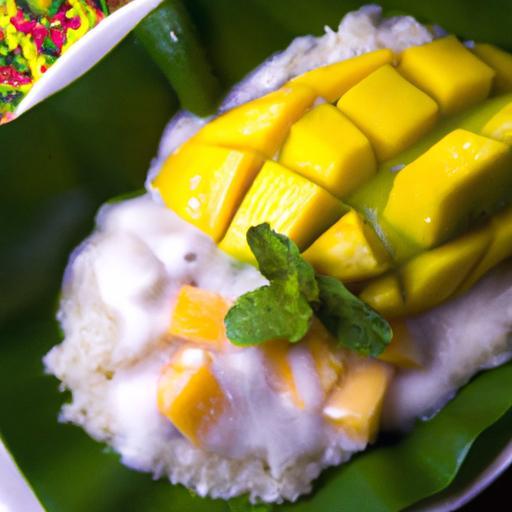

There’s a reason why mango sticky rice with coconut milk has captured hearts and palates across the globe-it’s a luscious celebration of tropical flavors wrapped in every bite. This beloved Southeast Asian dessert combines the creamy richness of coconut-infused sticky rice with the vibrant sweetness of sun-ripened mangoes, creating a harmony that’s both comforting and exotic.More than just a treat, mango sticky rice tells a story of tradition, culture, and the simple joys found in fresh, natural ingredients. Join us as we dive into the origins, preparation, and irresistible charm of this tropical dessert delight.
Mango Sticky Rice with Coconut Milk: A Tropical Dessert Delight
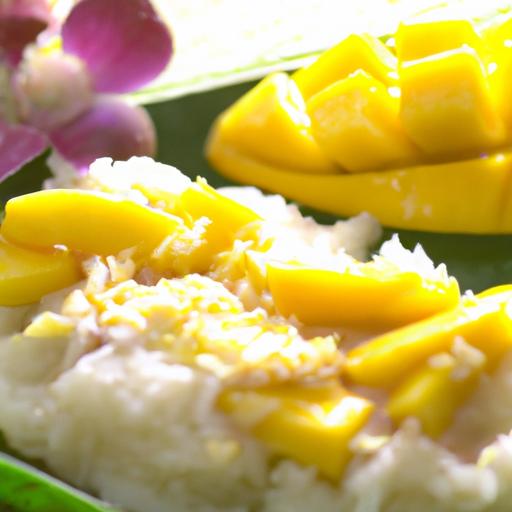
Mango sticky rice with coconut milk is more than just a dessert; it’s a beloved symbol of Southeast Asian culinary heritage, celebrated for its lush flavors and harmonious textures. This classic Thai treat combines sweet, ripe mangoes with soft, glutinous rice bathed in a creamy coconut milk sauce, creating a balance that dances on your palate with every bite.
Originating in Thailand, mango sticky rice (known locally as Khao Niew Mamuang) has long been enjoyed during mango season, serving as both a festive centerpiece and a comforting everyday delight. Its cultural significance is deeply tied to the abundance of fresh mangoes and the traditional use of sticky rice, highlighting the region’s agricultural bounty and culinary artistry.
Prep and Cook Time
- Preparation: 15 minutes
- Soaking & Steaming the Sticky Rice: 2 hours (includes soaking time)
- Cooking Coconut Milk Sauce: 10 minutes
- Total Time: Approximately 2 hours 30 minutes
Yield
Serves 4 generous dessert portions
Difficulty Level
Medium – requires careful attention to rice texture and sauce consistency but rewarding to master
Ingredients
- 1 ½ cups glutinous (sticky) rice
- 1 ½ cups coconut milk (fresh if possible, or canned)
- 1 cup granulated sugar
- ½ teaspoon fine salt
- 2 large ripe mangoes (preferably Ataulfo or Nam Dok Mai variety)
- ½ cup coconut cream (to drizzle)
- 1 tablespoon toasted sesame seeds (optional garnish)
- 1 pandan leaf (optional, for aroma when cooking rice)
Instructions
- Soak the Sticky Rice: Rinse the glutinous rice under cold water until the water runs clear. Soak it in cold water for at least 2 hours (or overnight for even better texture).
- Steam the Rice: Drain the rice and place it in a bamboo steamer lined with cheesecloth. Add the pandan leaf for subtle fragrance. Steam over boiling water for 20-25 minutes until tender but still slightly chewy.
- Prepare the Coconut Milk Sauce: In a saucepan,combine the coconut milk,sugar,and salt. Warm over medium heat, stirring until the sugar dissolves completely. Do not boil to prevent curdling-just enough to melt the sugar and integrate flavors.
- Combine Rice with Coconut Milk: Transfer the steamed sticky rice to a mixing bowl and gradually pour 1 cup of the warm coconut milk sauce over it. Gently fold the rice with a spatula, allowing it to absorb the sauce for about 20 minutes. The rice should be moist but not soupy.
- Prepare the Mangoes: Peel the mangoes and slice thinly, showcasing their golden flesh for a vibrant presentation.
- Finish the Sauce: Slightly thicken the remaining ½ cup coconut milk by heating gently until it coats the back of a spoon for that silky drizzle.
- Plate the Dessert: Serve a generous scoop of sticky rice alongside the mango slices. Drizzle with thickened coconut cream and sprinkle toasted sesame seeds on top for a subtle nutty crunch.
Tips for Success: Mastering Mango Sticky rice with Coconut Milk
- Rice Selection: Always use 100% glutinous rice (not regular long-grain rice) for that characteristic sticky texture essential to authenticity.
- Steaming vs.Boiling: Avoid boiling sticky rice; steaming preserves the grain’s delicate chewiness and prevents waterlogging.
- Mango Varieties Matter: Ataulfo or Nam Dok Mai mangoes offer sweetness and a buttery texture that perfectly complements the creamy rice. Look for fragrant, slightly soft mangoes at peak ripeness.
- Temperature Harmony: Serve the rice warm or at room temperature while the mango remains cool-this contrast elevates the sensory experience.
- Make-Ahead: You can steam the rice several hours ahead and gently reheat it by steaming again or microwaving briefly with a damp towel to restore moisture.
- Customizing Sweetness: Adjust the sugar in the coconut milk sauce to suit your preference or the natural sweetness of your mangoes.
Serving Suggestions
Presentation is key to celebrating this tropical delight. Serve mango sticky rice on a large white plate for striking color contrast or in traditional banana leaf cups for an authentic touch. Garnish with a sprinkle of toasted sesame seeds or crushed roasted peanuts for texture. Adding a small edible flower or fresh mint leaves can further enhance the tropical vibe.
Pair with a refreshing iced jasmine tea or a simple coconut water to balance the dessert’s richness. Mango sticky rice also makes an exquisite finale for an Asian-inspired dinner party or a casual summer gathering.
| Nutrient | Per Serving |
|---|---|
| Calories | 340 kcal |
| Protein | 3 g |
| Carbohydrates | 55 g |
| Fat | 10 g |

For those eager to deepen their knowledge, explore the cultural roots and diverse recipes of Thai desserts, which offer a fascinating world of tropical flavors and textures. Enhance your culinary skills with tips from authoritative sources like Thai Travel Blogs, renowned for in-depth traditions and authentic recipes.
Q&A
Q&A: Mango Sticky Rice with Coconut Milk: A Tropical Dessert Delight
Q1: What makes mango sticky rice with coconut milk such a beloved tropical dessert?
A1: Mango sticky rice captivates the senses with its perfect harmony of flavors and textures.The sweet, fragrant mangoes paired with the creamy, slightly salty coconut-infused sticky rice create a delightful balance that is both refreshing and indulgent. This dessert is a celebration of tropical ingredients, showcasing the lushness of ripe mangoes and the richness of coconut milk.
Q2: What type of rice is best for making sticky rice?
A2: The best rice for sticky rice is glutinous or sweet rice, ofen labeled as “sticky rice” in Asian grocery stores.This variety has a unique starch content that gives it that signature sticky, chewy texture essential to this dessert.
Q3: Why is coconut milk important in mango sticky rice?
A3: Coconut milk is the magical ingredient that transforms plain sticky rice into a creamy and flavorful base.It adds a luscious, velvety mouthfeel and a mildly sweet, fragrant flavor that complements the warm, tropical notes of the mango. When gently simmered with sugar and a pinch of salt, coconut milk becomes the soulful heart of this dish.
Q4: Can mango sticky rice be enjoyed year-round, or is it seasonal?
A4: While mango sticky rice is often associated with mango season-typically spring to early summer-thanks to advancements in global fruit distribution, it can be enjoyed year-round in many places. For the best flavor experience, using ripe, fragrant mangoes at their peak enhances the dessert’s tropical charm.
Q5: What are some tips to perfect the sticky rice texture?
A5: Achieving the ideal sticky rice texture involves soaking the rice for several hours (usually 4-6) before cooking to ensure even hydration. Steaming rather than boiling preserves the rice’s integrity while creating that tender, sticky consistency. gently mixing the cooked rice with warm coconut milk allows the grains to absorb the creamy flavor without becoming mushy.
Q6: How can I present mango sticky rice for a visually appealing dessert?
A6: Presentation is key to elevating mango sticky rice. Serve a neat mound of coconut-infused sticky rice alongside perfectly sliced, vibrant mango pieces. Garnish with a sprinkle of toasted mung beans or sesame seeds for texture contrast and scatter a few fresh mint leaves for a pop of color and freshness.
Q7: Are there any fascinating variations of mango sticky rice?
A7: Absolutely! Some people enjoy adding a drizzle of coconut cream on top for extra decadence. Others experiment with pandan leaves during the rice steaming process to impart a subtle floral aroma. For an adventurous twist, try serving with different tropical fruits like ripe durian or jackfruit, but always maintain the core of sticky rice and coconut milk to preserve the dessert’s essence.Q8: Can mango sticky rice be made vegan-friendly?
A8: Yes, mango sticky rice is naturally vegan when prepared with coconut milk and fresh mangoes. Just ensure that no animal-derived products like gelatin or dairy are added if you’re following a strict vegan diet.
Q9: what cultural significance does mango sticky rice have?
A9: Mango sticky rice is a beloved traditional dessert in Thailand and other parts of Southeast Asia, often enjoyed during festive occasions, family gatherings, and as a street food treat. It embodies tropical abundance and culinary heritage, evoking warm memories of sunny days and communal celebrations.Q10: How should mango sticky rice be stored if not eaten immediately?
A10: To preserve its texture and flavor, store mango sticky rice in an airtight container in the refrigerator for up to one day. For best enjoyment, allow it to come to room temperature or gently warm it before serving, then add fresh mango slices just before eating to prevent sogginess.
in summary
As the sweet, fragrant mango melts into the creamy embrace of coconut-infused sticky rice, each bite of this beloved tropical dessert tells a story of tradition, warmth, and exotic flavors. Mango sticky rice with coconut milk is more than just a treat; it’s a vibrant celebration of nature’s bounty and culinary heritage. Whether enjoyed on a sun-drenched afternoon or as a special finale to a flavorful meal, this luscious dish invites you to savor the simple pleasures of life, one sticky, sweet spoonful at a time. So next time you crave a taste of the tropics, let mango sticky rice transport you to a paradise where every bite is pure bliss.