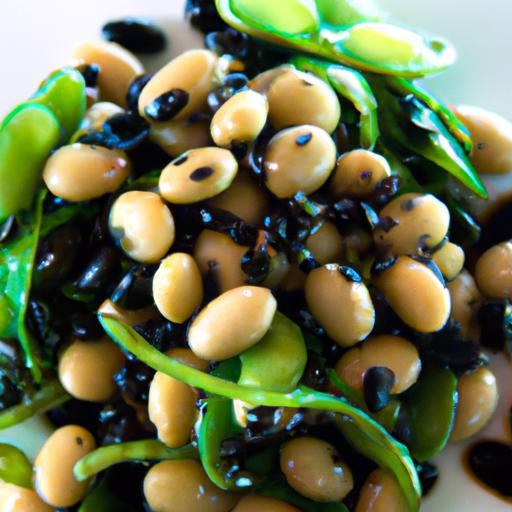






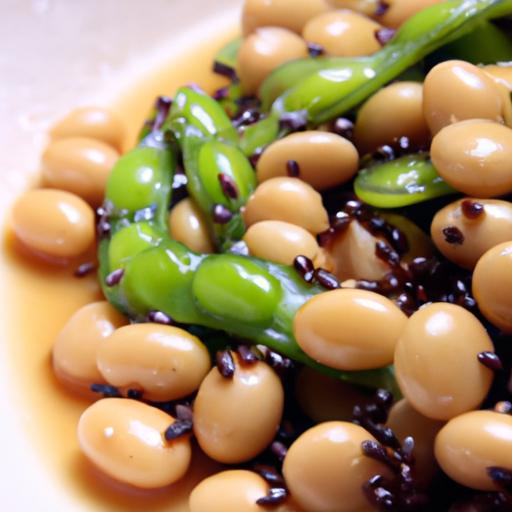

Beneath the rolling hills and vibrant fields of Korea lies a humble legume that has quietly shaped a culinary legacy for centuries: the Korean soybean. More than just an ingredient, these soybeans are a nutty treasure woven into the fabric of tradition, culture, and flavor. From the earthy depths of fermented pastes to the silky smoothness of tofu, Korean soybeans bring a distinctive character that speaks to resilience, nourishment, and heritage. Join us as we delve into the story behind these unassuming beans-exploring their rich history, unique varieties, and the flavorful journey that makes Korean soybeans an indispensable staple in kitchens both old and new.
Unveiling the Rich History and Cultural Meaning of Korean Soybeans
Korean soybeans represent more than just a versatile ingredient; they embody centuries of heritage and culinary artistry deeply rooted in Korea’s agrarian traditions. These nutty, hearty beans have been cherished for millennia, their cultivation and use intertwined with Korean identity and health-conscious lifestyles. From humble farmhouses to vibrant marketplaces, korean soybeans have nourished generations, evolving alongside conventional fermentation techniques that create distinct flavors unique to Korean cuisine.
Historically, Korean soybeans were central to staple foods like doenjang (fermented soybean paste) and cheonggukjang (fast-fermented soybean stew base), both prized for their umami depth and probiotic benefits. My own introduction to Korean cooking illuminated this legacy when I first witnessed the patient, hands-on process of fermenting soybeans in earthenware, cloaked in the scent of earth and time. These processes yield layers of complex, savory flavors unmatched by any mass-produced alternative.
Exploring Traditional Fermentation Techniques and Unique Flavors of Korean soybeans
fermentation is where Korean soybeans transcend their raw form,transforming into culinary masterpieces. The key is patience-traditional fermenting can last several months to a year, allowing natural microbes to break down the beans, developing deep, nutty, and slightly sweet notes balanced by a clean, savory intensity.
In Korean kitchens, soybeans start soaked and boiled, then mashed and mixed with salt, rice, or barley before being sealed in onggi (clay jars). Controlled temperatures and humidity nurture the fermentation, yielding beloved staples like doenjang and ganjang (soy sauce), each bursting with deep, earthy flavors.This time-honored artistry brings a uniquely Korean depth to any dish and serves as a testament to lasting food preservation long before refrigeration.
Health benefits Backed by Science and Culinary Uses
Beyond their remarkable flavor, Korean soybeans pack a nutritional punch. Rich in complete plant proteins, fiber, and isoflavones, they support heart health, balanced cholesterol, and bone strength. Fermented soybean products further enhance digestive health through probiotics,promoting a healthy gut microbiome.
Scientific studies affirm these benefits, spotlighting soy isoflavones for their antioxidant properties and potential to modulate hormone-related conditions.Korean soybeans,in their varied forms,inspire wellness-focused cooking without compromising on taste or tradition.
Tips for Selecting, Storing, and Cooking Korean Soybeans at Home
Choosing quality Korean soybeans means seeking beans that are uniform in size, pale yellow to light brown, and free from blemishes. Organic or traditionally farmed varieties often yield richer flavors and are preferable for fermentation.
Store dried soybeans in airtight containers, ideally in a cool, dark place to maintain freshness for up to a year. Once cooked or fermented, refrigerate promptly and use within recommended timeframes to savor peak flavor.
When cooking Korean soybeans, soaking them overnight softens the beans and reduces cooking time.Boil gently until tender but firm enough to hold shape-about 1 to 1.5 hours. these beans then become a canvas for both fermented condiments and hearty stews or salads.
Classic Korean Soybean Stew (Cheonggukjang) Recipe
Experience the authentic nutty essence of korean soybeans in this beloved fast-fermented stew that boasts bold flavors and comforting warmth. It’s an approachable entry point to Korean cooking that celebrates the rich history of the soybeans themselves.
Prep and Cook Time
- Prep Time: 20 minutes (plus overnight soaking)
- Cook Time: 1 hour 15 minutes
Yield
Serves 4 hearty portions
Difficulty Level
Medium – perfect for home cooks ready to experiment with fermentation-inspired flavors
Ingredients
- 1 cup Korean soybeans, dried and soaked overnight
- 6 cups water
- 1/2 cup fast-fermented cheonggukjang paste (or substitute with mild doenjang if unavailable)
- 1 medium onion, thinly sliced
- 3 cloves garlic, minced
- 1 small zucchini, cut into half-moons
- 2 green chilies, sliced (optional for spice)
- 1/2 cup chopped scallions
- 2 teaspoons sesame oil
- Salt to taste
- 1 block of firm tofu, cubed
Instructions
- Drain soaked soybeans and add them to a large pot with 6 cups of water. Bring to a boil, then lower heat and simmer for 1 to 1.5 hours until tender but not mushy.
- Add the cheonggukjang paste to the pot, stirring gently to dissolve it evenly. Let the stew simmer on low heat for 10 minutes to integrate flavors.
- Stir in the minced garlic, sliced onion, and zucchini. simmer uncovered for another 10 minutes until vegetables soften but retain slight crunch.
- Add cubed tofu and green chilies (if using). Let simmer for 5 more minutes to warm through without breaking apart the tofu.
- Season with salt to taste and finish by drizzling the sesame oil over the stew for a fragrant, nutty aroma.
- Turn off the heat and sprinkle chopped scallions just before serving to brighten the dish with fresh herbal notes.
Chef’s Notes & Tips for Success
- Substitutions: If fast-fermented cheonggukjang is hard to find, a combination of mild doenjang and a teaspoon of miso paste can mimic the flavor balance.
- Fermentation tip: For a fully traditional experience, ferment your own soybean paste using clean clay pots in a warm place, but this requires advanced planning.
- Texture control: Avoid overcooking soybeans to maintain a pleasing bite and to prevent the stew from becoming overly thick.
- Make-ahead: The stew deepens in flavor when refrigerated overnight; reheat gently before serving.
- flavor boost: Adding a handful of fresh spinach or Napa cabbage in the last 5 minutes provides additional nutrients and color.
Serving Suggestions
Serve this stew steaming hot in rustic bowls alongside a bowl of fluffy steamed white rice or nutty multigrain rice.Garnish with toasted sesame seeds and a sprinkle of crushed seaweed flakes for an authentic Korean touch. complement the meal with banchan (Korean side dishes) such as kimchi, pickled radish, or seasoned spinach to create a balanced, colorful feast.

Nutritional Information (per serving)
| Calories | Protein | Carbs | Fat |
|---|---|---|---|
| 320 kcal | 24 g | 30 g | 8 g |
For more on Korean fermentation techniques and savory recipes, explore our detailed guide on traditional Korean fermented foods. To deepen your understanding of soy’s health benefits backed by research, visit this National Institutes of Health study.
Q&A
Q&A: Korean Soybeans – A Nutty Treasure of Tradition and Flavor
Q1: What makes Korean soybeans so unique compared to other varieties?
A1: Korean soybeans are prized for their rich, nutty flavor and sturdy texture. Grown in the fertile soils of korea’s diverse climates, they boast a balance of sweetness and earthiness that sets them apart. Beyond taste, their cultural significance and long-standing role in Korean culinary traditions make them truly special.
Q2: How long have soybeans been part of Korean culture?
A2: Soybeans have been cultivated in Korea for thousands of years - dating back to at least the Three Kingdoms period (around 1st century BCE). Traditionally, they have been at the heart of Korean cuisine and culture, symbolizing nourishment, health, and resilience through centuries of history.
Q3: What are some traditional Korean dishes that highlight soybeans?
A3: Korean soybeans shine in dishes like doenjang (fermented soybean paste), cheonggukjang (a pungent, fast-fermented soybean stew), and kongjang (seasoned soybeans simmered to perfection). These dishes showcase the versatility of soybeans, transforming humble legumes into pillars of flavor and nourishment.
Q4: Can you explain the fermentation process that involves Korean soybeans?
A4: Fermentation is a sacred art in Korean cooking. Such as, doenjang is created by first boiling soybeans, then forming them into blocks called meju, which are sun-dried and naturally fermented over several months. This process deepens the soybeans’ flavors, developing complex umami notes and enhancing their nutritional profile.
Q5: Are Korean soybeans nutritionally beneficial?
A5: Absolutely! Korean soybeans are a powerhouse of protein, dietary fiber, and essential vitamins such as B-complex and minerals like iron and calcium. Their fermentation into products like doenjang also introduces probiotics, which support digestive health and overall wellbeing.
Q6: How can someone incorporate Korean soybeans into modern cooking at home?
A6: Korean soybeans can be boiled and added to salads or grain bowls for a hearty protein boost. You can also explore making your own doenjang or try quick dishes like kongnamul (soybean sprout salad) using young soybeans. their nutty flavor pairs well with garlic, sesame oil, chili flakes, and scallions, making them versatile in fusion recipes.
Q7: Is there a symbolic or cultural significance to soybeans in Korea beyond food?
A7: Indeed! soybeans symbolize health and vitality and have historically been used in rituals related to harvest and prosperity. They are celebrated not just as food but as a blessing from the earth, echoing the Korean reverence for nature and seasonality.
Q8: What challenges do Korean soybean farmers face today?
A8: Modern Korean soybean farmers grapple with balancing traditional farming methods and the pressures of industrial agriculture. Climate change, land availability, and competition from imported soybeans pose challenges. However, there is a growing movement toward organic and heritage soybean cultivation, reflecting a renewed gratitude for quality and sustainability.
Q9: How does Korean cuisine utilize the soybean plant beyond the beans themselves?
A9: Korean cooking also celebrates soybean sprouts (kongnamul), which are tangy and crunchy additions to soups, stews, and side dishes. Soybean oil, extracted from the beans, is used for cooking and flavoring, while the fermented pastes made from soybeans add depth to countless traditional dishes.
Q10: Why should food enthusiasts worldwide explore Korean soybeans?
A10: Korean soybeans tell a story of ancient wisdom, culinary artistry, and cultural pride. Exploring them opens a gateway to unique flavors, healthful benefits, and a deeper appreciation for Korea’s rich gastronomic heritage. For anyone curious about global foods that marry tradition with taste, Korean soybeans are a delightful finding.
Final Thoughts
As the sun sets over Korea’s fertile fields, the humble soybean stands as a testament to centuries of tradition, resilience, and culinary artistry. From the silky depths of doenjang stew to the vibrant crunch of kongnamul salads, Korean soybeans weave a story that is both deeply rooted and ever-evolving. This nutty treasure not only nourishes the body but also preserves the soul of a culture where every bean tells a story.Embracing Korean soybeans means savoring more than flavor-it means honoring a legacy of nature’s bounty transformed by time, craft, and the enduring spirit of Korea. Whether you’re a seasoned foodie or a curious newcomer, these versatile beans invite you to explore a world where tradition and taste unite in perfect harmony.