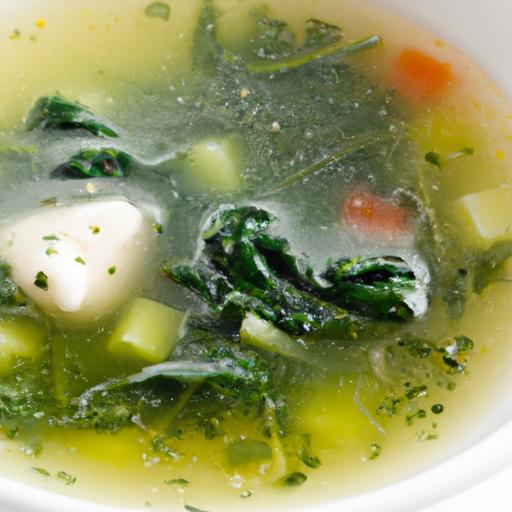






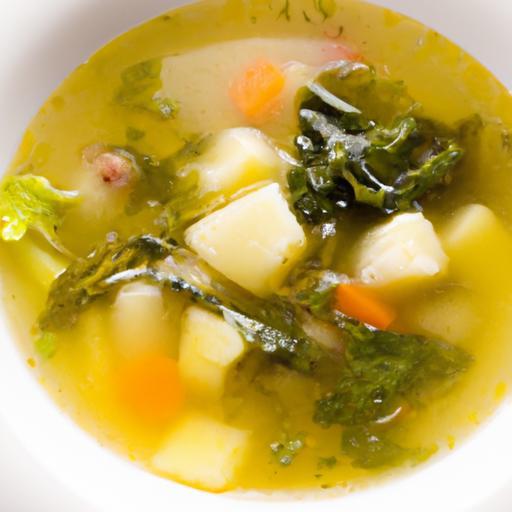

In teh heart of Italian culinary heritage lies a soup that is much more than a simple dish-it is indeed a symbol of love, family, and tradition. Minestra Maritata, often lovingly called Italy’s wedding soup, weaves together a harmonious blend of fresh greens and savory meats, embodying the perfect “marriage” of flavors. This beloved recipe, passed down through generations, carries with it stories of festivity and unity, making every bowl a toast to togetherness. Join us as we dive into the rich history, cultural significance, and mouthwatering essence of Minestra Maritata, a timeless treasure from Italy’s kitchen to your table.
The Origins and Cultural Significance of Minestra Maritata
Minestra Maritata has long been cherished throughout Italy,especially in the southern regions,as more than just a soup-it’s a culinary symbol of unity and celebration. Known widely as Italy’s beloved wedding soup tradition, this dish translates literally to “married soup,” a nod to the harmonious marriage of hearty greens and rich meats simmered to perfection. rooted in naples and Campania, minestra maritata was originally prepared for festive occasions, including weddings, where families honored the blending of two households with a soup that combined contrasting flavors and textures.
Beyond its festive origins, this beloved soup showcases the Italian reverence for fresh, seasonal ingredients and rustic preparation-one that bridges countryside simplicity with rich, savory intensity. Each spoonful represents generations of tradition, with tender meat married to bitter greens in a slow-cooked embrace, evoking warmth and deep-rooted cultural pride.
Key Ingredients That Bring Minestra Maritata to Life
- Beef shank or veal bones – for a deeply flavorful broth foundation
- Leafy Italian greens such as escarole, Swiss chard, or kale to add earthiness and texture
- Onions, carrots, and celery – the classic soffritto that breathes sweetness into the broth
- Garlic cloves – for aromatic depth
- Fresh herbs like parsley, bay leaf, and a touch of rosemary, grounding the flavor
- Meatballs made from ground veal or beef – tender morsels that enrich the soup
- Grated Parmesan or Pecorino cheese – a savory finishing touch
- Sea salt and freshly cracked black pepper – essential seasoning balance
Prep and Cook Time
- Prep Time: 30 minutes
- Cook Time: 2 hours 15 minutes
Yield
Serves 6 generous bowls
Difficulty level
Medium – requires patience and attention to layered flavors
Step-by-Step Guide to Crafting an Authentic Minestra Maritata
- Prepare the broth: Place beef shank or veal bones in a large stockpot with 12 cups of cold water. Bring to a gentle boil, then reduce to no more than a simmer. Skim off any foam that rises to keep the broth clear.
- Add soffritto: Toss in chopped onions, carrots, celery, and garlic cloves. include fresh herbs like bay leaf and a sprig of rosemary. Simmer covered for 1.5 to 2 hours, allowing rich flavors to infuse.
- Craft the meatballs: In a bowl, combine 1 lb ground veal or beef with ½ cup breadcrumbs, ½ cup grated Parmesan, 1 large egg, minced garlic, chopped parsley, and salt and pepper. Mix gently and shape into small, bite-sized balls.
- Prepare the greens: Thoroughly wash and chop your leafy greens (escarole, Swiss chard, kale), removing tough stems to ensure tender bites.
- Strain and return broth: Using a fine mesh sieve, strain broth into a clean pot to remove bones and aromatics. Bring broth back to a simmer.
- Add meatballs and greens: Drop meatballs gently into simmering broth, cooking for 10 minutes until they start to firm. Then add greens and cook for another 10-15 minutes,just until greens are tender but vibrant.
- Season and finish: Taste and adjust with sea salt and freshly cracked black pepper. Remove rosemary sprig and bay leaf before serving.
- Serve hot: Ladle soup into deep bowls and generously sprinkle with grated Parmesan or Pecorino cheese. For an elegant flourish, drizzle a touch of cold-pressed extra virgin olive oil.
Tips for Perfecting Flavor and Presentation in Wedding Soup Traditions
- Simmer low and slow: The secret to lush broth is gentle cooking-avoid boiling vigorously to maintain clarity and depth.
- Choose fresh, seasonal greens: Authentic minestra maritata thrives on freshness; if escarole isn’t available, substitute Swiss chard or dandelion greens for that characteristic pleasant bitterness.
- Balance textures: Aim for tender meatballs and greens that still retain a slight bite, adding complexity with each spoonful.
- Make ahead: Broth can be prepared 1-2 days ahead and refrigerated-reheat carefully,then add meatballs and greens just before serving to keep them vibrant.
- Presentation tips: Serve soup in rustic bowls, garnish with a sprig of fresh parsley or basil, and accompany with slices of crusty Italian bread for soaking up every drop.
Serving Suggestions
Bring this soulful Minestra Maritata to your table draped in a linen napkin,surrounded by simple accompaniments like lemon wedges to brighten flavors and a crisp green salad. For a touch of authentic charm, finish with freshly cracked black pepper and a shaving of hard cheese atop each bowl that melts beautifully into the warm broth.
Pair with a non-alcoholic sparkling citrus beverage or a lightly brewed herbal tea, making this classic Italian wedding soup a centerpiece for any heartfelt celebration or cozy family gathering.
| Nutritional Info (per serving) | Amount |
|---|---|
| Calories | 320 |
| Protein | 28g |
| Carbohydrates | 12g |
| Fat | 15g |

discover more about customary Italian soups and their rich heritage in our Comprehensive Guide to Italian Soups.For an in-depth history of Italian culinary customs, visit Britannica Italian Cuisine Overview.
Q&A
Q&A: Minestra Maritata - Italy’s Beloved Wedding Soup Tradition
Q1: What is Minestra Maritata and why is it called the “wedding soup”?
A1: Minestra Maritata, translating to “married soup,” is a classic italian dish celebrated for its harmonious blend of leafy greens and meat, symbolizing a “marriage” of flavors. Traditionally served at weddings or festive occasions in Southern Italy, its name reflects the perfect union between the fresh, tender greens and savory meats that create a comforting, hearty soup.
Q2: Where does Minestra Maritata originate from, and how does it reflect Italian culinary culture?
A2: Minestra Maritata hails from the Campania region of Southern Italy but has garnered affection across the country. The dish showcases Italy’s reverence for simple, high-quality ingredients and the deep-rooted tradition of communal, celebratory meals. It embodies the Italian approach to cooking-honoring local produce and slow-cooked flavors that bring people together around the table.
Q3: What are the primary ingredients used in minestra Maritata?
A3: The heart of Minestra Maritata lies in a marriage between robust greens like escarole, kale, mustard greens, or chicory and tender cuts of meat, often chicken, beef, or lamb. The greens add a fresh, slightly bitter contrast that balances beautifully with the rich, slow-simmered broth, enhanced by garlic, onions, aromatic herbs such as rosemary and bay leaves, and a touch of olive oil.
Q4: How is Minestra Maritata traditionally prepared?
A4: Preparation begins by creating a flavorful broth from the chosen meats simmered gently for hours, infusing the soup with depth and warmth. Meanwhile, the greens are carefully washed and blanched to maintain their vibrant color and texture. Once the broth reaches ideal richness, the greens are “married” into the pot, cooking just until tender. The final touch is a drizzle of extra virgin olive oil and, often, a sprinkle of grated cheese like pecorino Romano for creaminess.
Q5: does Minestra Maritata have any symbolic or cultural significance beyond being a flavorful dish?
A5: absolutely. Beyond its comforting taste, Minestra Maritata symbolizes unity and balance-key themes in marriage and community. The blending of diverse greens with meat illustrates harmony, much like two lives coming together.It also reflects a celebration of life’s bounty and the joy found in sharing nourishing food with loved ones.Q6: Can Minestra Maritata be adapted for modern dietary preferences?
A6: Certainly! While the traditional version emphasizes meat, creative adaptations can spotlight vegetarian choices by using robust vegetable stocks and hearty mushrooms or legumes for protein.The essence remains the marriage of textures and flavors-leafy greens pairing with rich, savory elements to create a soul-satisfying bowl fit for any gathering.
Q7: What makes Minestra Maritata stand out compared to other Italian soups?
A7: Unlike lighter broths or simpler minestras, Minestra Maritata offers a luxurious layering of tastes and textures-a rustic sophistication born from centuries-old traditions. It’s both revitalizing and deeply comforting,representing a culinary ritual where ingredients and history blend,serving as a delicious bridge between the past and present.
Q8: When is the best time to enjoy Minestra Maritata?
A8: Minestra Maritata is perfect for cooler months or any time families gather for a special meal. Its warming qualities and wholesome ingredients make it an ideal centerpiece during festive occasions, especially weddings, anniversaries, or even a cozy Sunday dinner aimed at sharing love and good fortune.
Q9: How can someone best serve Minestra Maritata to capture its authentic spirit?
A9: To honor tradition, serve Minestra Maritata family-style in a large, rustic bowl placed at the center of the table. Pair it with crusty country bread to mop up the luscious broth, invite stories and laughter around the meal, and top each bowl with a generous grating of cheese to elevate the harmony of flavors. It’s a dish meant to be savored slowly, just like the moments it celebrates.
Dive into Minestra Maritata and experience a timeless Italian treasure-a soup that’s more than just food; it’s a cherished symbol of love, unity, and the art of bringing flavors together in perfect marriage.
In Conclusion
As the fragrant steam rises from a bowl of Minestra Maritata, it carries with it centuries of Italian heritage-where ingredients mingle as harmoniously as family and tradition. This beloved wedding soup, much more than just a comforting dish, tells a story of unity, celebration, and the enduring bonds that food can weave. Whether enjoyed at a festive gathering or savored quietly by the hearth, Minestra Maritata remains a delicious testament to Italy’s rich culinary tapestry and the heartfelt rituals that continue to bring people together, one savory spoonful at a time.