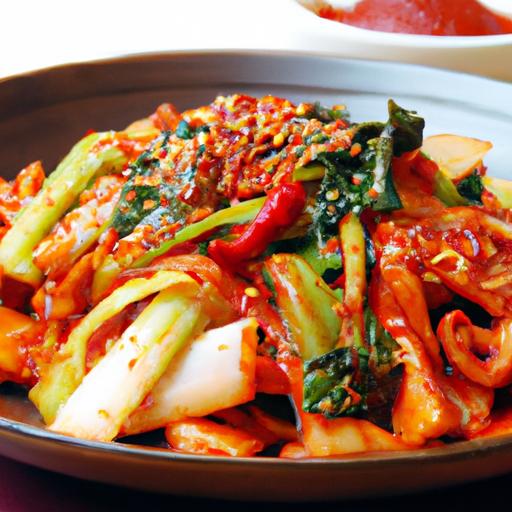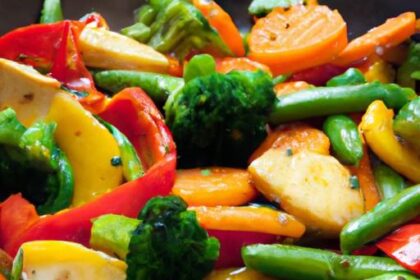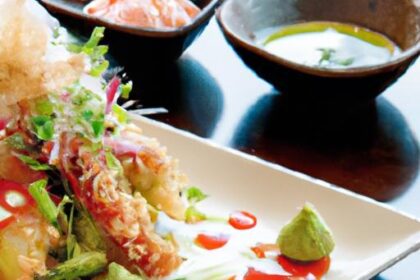






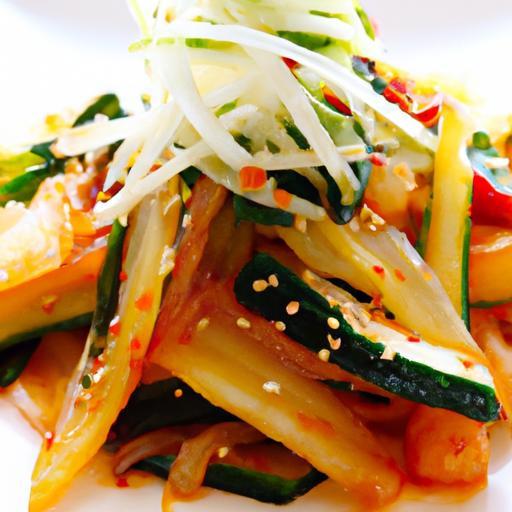

Step into the colorful world of Korean cuisine with Yachae Bokkeum, a vibrant stir-fry that transforms humble vegetables into a symphony of flavors and textures.This delightful dish, bursting with crisp greens, tender roots, and a bold, savory sauce, epitomizes the art of balancing freshness and umami in every bite. Whether you’re a seasoned food adventurer or new to Korean cooking, savoring Yachae Bokkeum offers an irresistible taste journey-one where simplicity meets spirited spice, and every forkful tells a story of tradition and creativity on the plate. Join us as we explore the secrets behind this beloved stir-fry and discover how to bring its lively flavors straight to your kitchen.
Savor the vibrant flavors of Korean Yachae bokkeum stir-fry by delving into the heart of this colorful vegetable medley that honors freshness, crisp textures, and bold seasoning.Originating from Korea’s longstanding culinary traditions, Yachae Bokkeum is a celebration of nature’s bounty, masterfully transformed by the art of stir-frying into a symphony of vibrant colors and layers of flavor that excite the palate. This dish holds a special place in my kitchen-frequently enough served as a revitalizing side or a wholesome center stage, its versatility and healthful essence have made it a staple I love sharing with food enthusiasts eager to unlock authentic Korean flavors in their home cooking.
Prep and cook Time
- Planning: 15 minutes
- Cooking: 10 minutes
- Total Time: 25 minutes
Yield
Serves 4 as a side dish
Difficulty Level
Easy to Medium – perfect for both kitchen newcomers and adventurous home cooks
Ingredients
- 2 tablespoons sesame oil
- 3 cloves garlic, minced
- 1 medium carrot, julienned
- 1 cup shiitake mushrooms, sliced
- 1 small zucchini, julienned
- 1 cup napa cabbage, thinly sliced
- 1 small onion, thinly sliced
- ½ cup green beans, trimmed and halved
- 1 tablespoon soy sauce (or tamari for gluten-free)
- 1 teaspoon gochugaru (Korean red chili flakes), optional but recommended
- 1 teaspoon toasted sesame seeds
- 2 teaspoons sugar or honey
- Salt and freshly ground black pepper to taste
- 2 scallions, thinly sliced for garnish
Instructions
- Prepare all vegetables by washing and slicing them uniformly to ensure even cooking.Consistent julienne cuts will create a visually appealing presentation.
- Heat the sesame oil in a large non-stick skillet or wok over medium-high heat until fragrant, about 1 minute.
- Add the minced garlic and sauté gently for 30 seconds, stirring constantly to avoid burning and to release maximum aroma.
- Introduce the harder vegetables first – carrots and green beans – stir-frying for 2-3 minutes until they just begin to soften while retaining crunch.
- Add the remaining vegetables – zucchini, mushroom, napa cabbage, and onion – stirring rapidly to coat in the oil and garlic, cook for an additional 4 minutes. The goal: vibrant colors and tender-crisp textures.
- Drizzle in the soy sauce,sugar,and gochugaru (if using),then toss everything together to harmonize the flavors. Adjust seasoning with salt and pepper as needed. Cook for 1 more minute so the sauce slightly caramelizes on the veggies.
- Remove from heat and sprinkle with toasted sesame seeds and scallions to finish. This final pop of texture and freshness elevates the dish.
- Serve immediately, enjoying the dish’s warmth and bold flavors at their peak.
Tips for Success: Customize Your Yachae Bokkeum Stir-fry
- Vegetable swaps: Feel free to experiment with bell peppers, bean sprouts, or broccoli florets for different textures and colors.
- Adjust heat levels: Add more gochugaru or a dash of Korean chili paste (gochujang) if you crave heat.
- Protein additions: For a more substantial meal, top with pan-seared tofu cubes or lightly stir-fried shrimp (avoid pork or pork-based products per guidelines).
- Make-ahead magic: You can prep and slice vegetables a day in advance, storing them separately in the fridge for quick assembly.
- Perfect stir-fry technique: Keep your pan hot but avoid overcrowding to prevent steaming. Stir rapidly and use a spatula to toss continuously, ensuring even cooking and vibrant presentation.
Pairing Suggestions
Enjoy Yachae Bokkeum alongside Kimchi Fried Rice for a comforting,genuinely Korean spread or serve it next to grilled fish or a delicate tofu stew (soondubu jjigae) for a modern,balanced meal.The colorful medley can also complement bibimbap bowls, adding fresh texture and seasoning. Garnish with extra toasted sesame seeds, thin strips of seaweed, or a squeeze of fresh lemon for brightness.
| Nutrient | Per Serving |
|---|---|
| calories | 120 kcal |
| Protein | 3 g |
| Carbohydrates | 15 g |
| Fat | 7 g |

Mastering this dish hinges on the delicate balance between heat, timing, and ingredient harmony. Once you’ve savored the vibrant flavors of Korean Yachae Bokkeum stir-fry, your kitchen will inevitably become infused with its rich, nutty sesame aroma and fresh vegetable crunch, inspiring countless flavorful explorations across korean home cuisine.
For a deeper dive into conventional Korean cooking techniques, visit Maangchi’s Authentic Korean Recipes, a trusted resource for beginners and experts alike.
Q&A
Q&A: Savor the Vibrant Flavors of Korean Yachae Bokkeum Stir-Fry
Q1: What is Yachae Bokkeum and why is it so beloved in Korean cuisine?
A1: Yachae Bokkeum is a colorful Korean vegetable stir-fry that perfectly captures the essence of fresh,crisp produce enhanced by bold,savory flavors. beloved for its versatility and vibrant appeal, it’s often enjoyed as a side dish (banchan) or a nourishing main when paired with rice or noodles. Its appeal lies in the harmonious balance of textures and the lively taste that celebrates seasonal vegetables.
Q2: Which vegetables are typically used in Yachae Bokkeum?
A2: This dish is a celebration of nature’s bounty and can vary depending on the season. Common vegetables include carrots, bell peppers, zucchini, spinach, mushrooms, bean sprouts, and green onions. Each adds its own texture and sweetness, creating a medley that’s both visually stunning and deliciously dynamic.
Q3: What makes the sauce in yachae bokkeum stand out?
A3: The sauce is a masterful blend of savory, sweet, and umami notes. Key ingredients often include soy sauce, garlic, a touch of sugar or honey, and sesame oil.Some variations introduce a hint of Korean chili paste (gochujang) or powder (gochugaru) for a mild kick, but the focus remains on enhancing the freshness of the vegetables without overpowering them.
Q4: How is Yachae Bokkeum traditionally prepared?
A4: Preparation is straightforward yet requires mindful technique. Vegetables are julienned or sliced evenly for quick, uniform cooking. Stir-frying happens over medium-high heat to maintain the crispness of the vegetables while ensuring they absorb the savory sauce. Often, the vegetables are cooked separately or added progressively to respect their individual cooking times and textures.
Q5: Can Yachae Bokkeum be adapted for a vegan or gluten-free diet?
A5: Absolutely! Yachae Bokkeum’s foundation is plant-based, making it naturally vegan. To keep it gluten-free, simply use tamari or a certified gluten-free soy sauce. The dish’s adaptability is part of what makes it a favorite for anyone seeking healthy, flavorful meals free from animal products or common allergens.
Q6: What are some creative ways to enjoy Yachae Bokkeum?
A6: Beyond the classic side dish role, Yachae Bokkeum can be a vibrant topping for rice bowls, a flavorful filling for wraps with lettuce or seaweed, or even folded into warm noodles for a quick lunch. Its fresh profile pairs beautifully with proteins like tofu, eggs, or seafood for those who want a heartier dish without sacrificing freshness.
Q7: What culinary tips can help bring out the best in Yachae Bokkeum?
A7: Freshness is crucial-select bright, crisp vegetables and slice them thoughtfully. Stir-fry on high heat but stay attentive to avoid overcooking, preserving that sought-after crunch. Don’t rush the garlic and sesame oil; they’re key to building the dish’s depth. Lastly, taste as you go-small adjustments in seasoning can elevate the final flavor.
Q8: How does Yachae Bokkeum reflect Korean food culture?
A8: This dish embodies the Korean philosophy of balance and seasonality. It highlights how simple, fresh ingredients can come together to form a meal that is nutritious, flavorful, and aesthetically pleasing. Yachae Bokkeum honors tradition while embracing flexibility, making it a perfect example of Korea’s celebrated approach to everyday eating.
In Retrospect
As the sizzling symphony of Yachae Bokkeum comes to a close, you’re left with more than just a satisfied palate-you carry with you a taste of Korea’s vibrant culinary spirit. This colorful stir-fry, bursting with fresh vegetables and bold seasonings, invites you to celebrate simplicity and health in every bite. Whether you’re a seasoned foodie or a curious kitchen adventurer, embracing Yachae Bokkeum is a flavorful way to savor tradition while adding a lively spark to your everyday meals.So next time you crave something both nourishing and exciting, let the vibrant flavors of Korean Yachae Bokkeum stir-fry inspire your cooking journey and delight your senses.