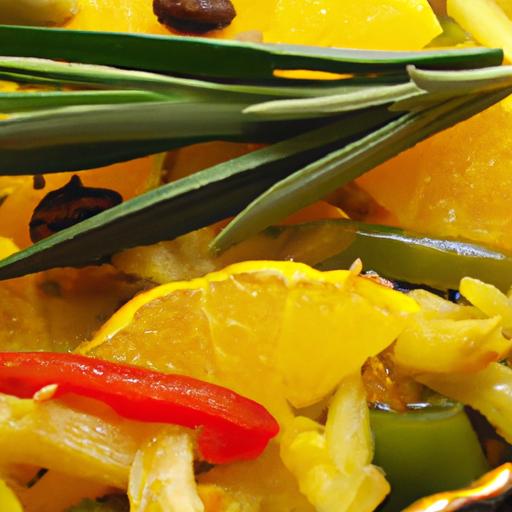






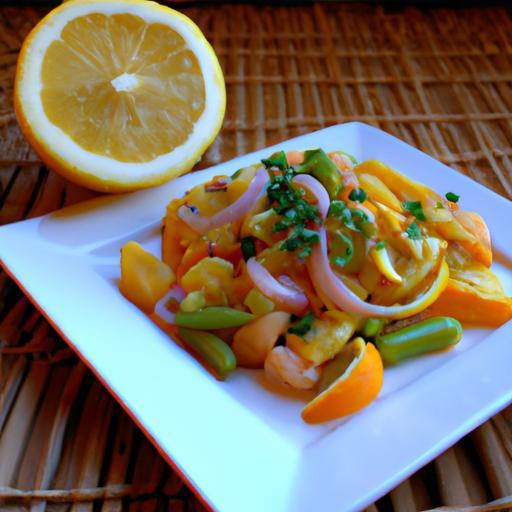

Step into a world where vibrant spices mingle with the rich,earthy flavors of garden-fresh vegetables,all brought to life by the enchanting twist of preserved lemons. Vegetable tagine, a jewel of North African cuisine, is much more than a stew-it’s a fragrant journey through tradition and taste. this slow-cooked masterpiece teems with tender, colorful vegetables steeped in aromatic spices, simmered to perfection in a terracotta pot that infuses every bite with warmth and depth. Adding preserved lemons elevates the dish,imparting a tangy brightness that dances on the palate,turning a humble meal into an unforgettable feast. whether you’re a seasoned foodie or a curious home cook, savor the magic of vegetable tagine with preserved lemons and discover a culinary experience that’s both timeless and captivating.
Vegetable Tagine with Preserved Lemons awakens the senses with its vibrant blend of spices and zesty citrus notes, showcasing the heart of Moroccan culinary tradition. Rooted in centuries-old Berber cooking, this dish is a fragrant celebration of garden-fresh vegetables infused with the unmistakable brightness of preserved lemons. My very first experience with this tagine in Marrakech was a revelation-the way the tender vegetables soak up the layers of cumin, coriander, and saffron, elevated by the sharp, bold tang of preserved lemon, created a comforting yet extraordinary flavor profile that lingered long after the last bite.
prep and Cook Time
- Readiness: 20 minutes
- Cooking: 1 hour 15 minutes
- total Time: 1 hour 35 minutes
Yield
Serves 6 – perfect for a family meal or an intimate gathering.
difficulty Level
Medium – approachable for cooks cozy with layering spices and slow-simmer techniques.
Ingredients
- 2 tbsp olive oil
- 1 large onion, finely chopped
- 3 garlic cloves, minced
- 2 medium carrots, peeled and sliced into thick rounds
- 1 large zucchini, cut into chunky cubes
- 1 red bell pepper, seeded and sliced
- 1 small eggplant, cut into 1-inch cubes
- 1 cup butternut squash, peeled and cubed
- 1 preserved lemon, rinsed, pulp removed, rind finely chopped
- 1 cup canned chickpeas, drained and rinsed
- 1½ cups vegetable broth
- 2 tsp ground cumin
- 1½ tsp ground coriander
- 1 tsp turmeric
- ½ tsp ground cinnamon
- ½ tsp smoked paprika
- pinch of saffron strands, steeped in 2 tbsp warm water
- Salt and freshly ground black pepper, to taste
- fresh cilantro and flat-leaf parsley, chopped, for garnish
- 1 tbsp honey or date syrup (optional, to balance acidity)
Instructions
- Heat olive oil in a wide, heavy-bottomed tagine or Dutch oven over medium heat. Add chopped onion and sauté until soft and translucent,about 6 minutes.
- Add garlic and cook for 1 minute until fragrant, stirring constantly to avoid burning.
- Incorporate the spices: cumin, coriander, turmeric, cinnamon, and smoked paprika. Stir for 1-2 minutes, allowing the spices to release their aromas but not burn.
- gradually add the vegetables-carrots, eggplant, zucchini, bell pepper, and butternut squash. Stir well to coat them with the spice mixture.
- pour in the vegetable broth and saffron water. Bring to a gentle simmer, then reduce heat to low. Cover and let simmer for 40 minutes, stirring occasionally.
- Mix in the chickpeas, chopped preserved lemon rind, and honey (if using). Season with salt and pepper. Cover and cook for an additional 20 minutes, allowing flavors to meld and vegetables to become tender but not mushy.
- Uncover and adjust seasoning if necessary. For a thicker sauce, increase heat slightly and simmer uncovered for 5 more minutes.
- Remove from heat and let rest for 5 minutes before serving to deepen the flavors.
Tips for success
- Choosing preserved lemons: Authentic Moroccan preserved lemons have a mellow bitterness complemented by intense citrus notes. Rinse them thoroughly to tame excess saltiness before chopping.
- Vegetable variations: Feel free to swap butternut squash for sweet potatoes or add cauliflower florets for extra texture.
- Spice adjustments: Toast whole spices like cumin seeds before grinding for an even richer flavor.
- Slow and steady: Avoid rushing the simmer stage-low heat is key to tender vegetables and deep flavor absorption.
- Make-ahead: Like many stews, this tagine tastes even better the next day.Refrigerate, then reheat gently over low heat, adding a splash of broth if necessary.
Serving Suggestions
Present your vegetable tagine in a rustic earthenware dish or a cast-iron skillet to retain heat and accentuate its North African roots. Garnish generously with chopped fresh cilantro and parsley to add a luminous, herbaceous touch. Accompany with fluffy traditional couscous or warm, buttery flatbread like lkhamsa to soak up the luscious sauce. A small bowl of spiced olives or a side of harissa can add layers of heat for adventurous palates. Finish with a sprinkle of toasted almonds for a subtle crunch.
| Nutrient | Per Serving |
|---|---|
| Calories | 220 kcal |
| Protein | 7 g |
| Carbohydrates | 35 g |
| Fat | 6 g |

Q&A
Q&A: Savor the Magic: Vegetable tagine with Preserved Lemons
Q1: What makes a vegetable tagine uniquely magical?
A1: The magic of a vegetable tagine lies in its slow-cooked harmony of vibrant vegetables, aromatic spices, and tender texture. The slow simmering in a traditional tagine pot allows flavors to deepen and mingle, creating a comforting dish that’s both hearty and fragrant. The combination of sweet,savory,and tangy notes dances on the palate,evoking the rich culinary heritage of North Africa.
Q2: Why are preserved lemons essential in this recipe?
A2: Preserved lemons are the crown jewel of this dish. Their intense, mellow brightness adds a complex citrusy zing that fresh lemons can’t replicate. The fermentation process softens the rind and infuses it with a salty, slightly floral flavor, elevating the tagine with a distinctive, ancient Mediterranean allure.
Q3: Can I prepare a flavorful vegetable tagine without a traditional tagine pot?
A3: absolutely! While the tagine pot’s conical lid helps steam and recycle moisture, you can achieve similar results using a heavy-bottomed Dutch oven or a deep casserole dish with a tight-fitting lid.The key is low, slow cooking to coax out the deep, layered flavors.
Q4: Which spices are typically used in a vegetable tagine, and why?
A4: Classic spices include cumin, coriander, ginger, turmeric, cinnamon, and sometimes a touch of smoked paprika or saffron. These spices create a warm, earthy, and subtly sweet backdrop that complements the natural sweetness of the vegetables and the zing of preserved lemons, painting a fragrant tapestry with every bite.Q5: What vegetables work best in a vegetable tagine?
A5: Root vegetables like carrots, sweet potatoes, and turnips meld beautifully with the softness from zucchini, bell peppers, and eggplant. Chickpeas are a popular addition, lending protein and texture. The choice can be seasonal, embracing whatever fresh, colorful vegetables inspire you.
Q6: How long should I cook the vegetable tagine for optimal flavor?
A6: Simmering for 1 to 2 hours on low heat allows the vegetables to become tender and the spices to mingle fully.The slow cooking also gives the preserved lemons time to infuse their signature taste throughout the dish, making each forkful a savory revelation.
Q7: What are some serving suggestions to accompany a vegetable tagine?
A7: Serve your tagine over a bed of fluffy couscous,pearl barley,or fragrant basmati rice to soak up the luscious sauce. Garnish with fresh herbs like cilantro or parsley and a sprinkle of toasted almonds or sesame seeds for crunch and contrast. A side of warm, crusty bread is perfect for mopping up every last drop.
Q8: Can this vegetable tagine be enjoyed by those following special diets?
A8: Definitely! this recipe is naturally vegetarian, vegan, and gluten-free (depending on your grain choice). It’s packed with fiber, vitamins, and plant-based protein, making it a nourishing and inclusive meal option for diverse dietary needs.
Q9: How can I make my tagine more vibrant and visually appealing?
A9: Layer your vegetables in a colorful pattern before cooking, mixing bright orange carrots, deep purple eggplants, golden squash, and emerald green zucchinis. Garnish with fresh herbs, preserved lemon slices, and a drizzle of olive oil for a finishing flourish that’s both inviting and appetizing.
Q10: Any tips for first-timers making vegetable tagine?
A10: Be patient and embrace the slow-cooking process – the wait is well worth it. Don’t hesitate to taste and adjust seasoning along the way, especially salt and preserved lemon, as their intensity can vary. And most importantly, savor the experience; a tagine invites you to engage with each aroma, spice, and texture, transforming cooking into a sensory adventure.
In Summary
As the fragrant spices settle and the tender vegetables meld with the bright, tangy notes of preserved lemons, this vegetable tagine invites you to savor more than just a meal-it offers a journey into the heart of Moroccan tradition. Whether shared around a bustling family table or enjoyed as a quiet solo feast, each bite tells a story of flavors both ancient and vibrant. So next time you crave somthing soulful and wholesome, let this dish transport you to sunlit souks and warm kitchens, where every simmering pot holds a little magic waiting to be discovered. Bon appétit!