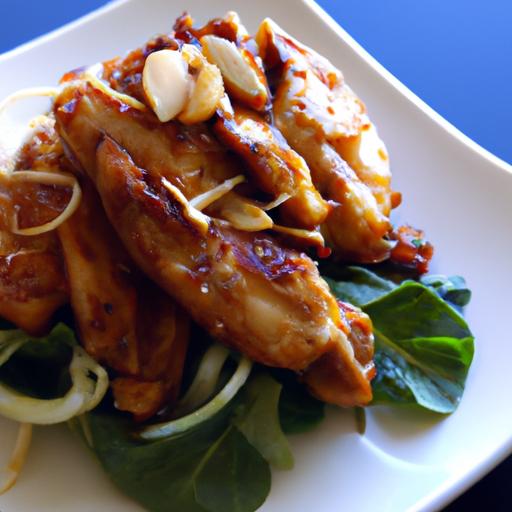




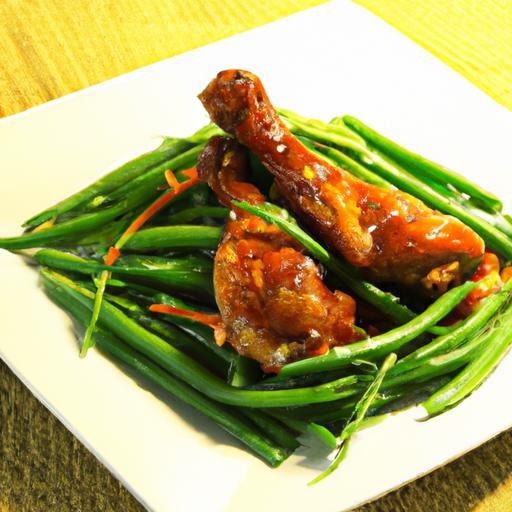

When dinner calls for a dash of bold flavor and a touch of adventure, look no further than the vibrant world of Korean cuisine. At the heart of this culinary revolution lies gochujang-a rich, spicy-sweet fermented chili paste that transforms ordinary dishes into unforgettable experiences. Today, we’re unveiling an easy gochujang chicken recipe that promises to spice up your weeknight meals with minimal effort but maximum flavor. Whether you’re a seasoned home cook or a kitchen novice craving something new, this dish is your ticket to savoring the perfect balance of heat, sweetness, and umami in every bite. Get ready to turn up the heat and elevate your dinner table with a recipe that’s as rapid to prepare as it is indeed delicious!
Discovering the Bold Flavors of Gochujang and Its Culinary Origins
Spice Up Dinner: Easy Gochujang Chicken Recipe Unveiled introduces you to the captivating world of gochujang, the heart and soul of Korean cooking.1 this vibrant, fermented red chili paste combines fiery heat with a subtle sweetness and a deep umami character that transforms any dish.Originating from centuries-old Korean culinary traditions, gochujang is crafted from red chili powder, glutinous rice, fermented soybeans, and salt, creating that uniquely addictive flavor. Incorporating this sauce into chicken elevates a simple protein into a dish bursting with complexity and warmth-perfect for those who relish bold, comforting meals at home.
Prep and Cook Time
- Readiness: 15 minutes
- Marinating: 30 minutes (optional but recommended)
- Cooking: 20 minutes
- Total Time: Approximately 1 hour
Yield
- Serves 4 hungry diners
Difficulty Level
- Easy – perfect for weeknight dinners or casual entertaining
ingredients
- 1.5 lbs boneless, skinless chicken thighs, cut into bite-sized pieces
- 3 tablespoons gochujang (Korean red chili paste)
- 2 tablespoons soy sauce (low sodium preferred)
- 1 tablespoon honey or maple syrup for sweetness
- 1 tablespoon sesame oil
- 3 cloves garlic, minced
- 1 teaspoon freshly grated ginger
- 1 tablespoon rice vinegar
- ½ teaspoon black pepper
- 2 green onions, thinly sliced (plus extra for garnish)
- 1 teaspoon toasted sesame seeds (for garnish)
- 2 tablespoons vegetable oil (for cooking)
Instructions
- Prepare the marinade: In a medium mixing bowl, whisk together gochujang, soy sauce, honey, sesame oil, garlic, ginger, rice vinegar, and black pepper until smooth and glossy.
- Marinate the chicken: Add the chicken pieces to the bowl, tossing well to coat each piece in the sauce. Cover and refrigerate for at least 30 minutes to allow flavors to deepen. For best results, marinate up to 2 hours.
- Heat the pan: Warm the vegetable oil in a large non-stick skillet over medium-high heat until shimmering.
- Cook the chicken: Add the chicken and marinade to the hot skillet, spreading the pieces evenly. Sauté, turning occasionally, for about 10-12 minutes until the chicken is cooked through and caramelized. Tip: Let the chicken develop a slight char for richer flavor but stir to avoid burning.
- Reduce and glaze: As the chicken nears completion, lower the heat to medium-low and let the sauce thicken and coat the meat beautifully, about 3 minutes.
- Finish with freshness: Stir in sliced green onions, reserving some for garnish.
- Serve: Plate your gochujang chicken hot, garnished with remaining green onions and a scattering of toasted sesame seeds.
Tips for Balancing Heat and Sweetness in Your Sauce
Working with gochujang means balancing its natural spice and tang with complementary flavors. If you prefer a milder kick, increase the honey or add a splash of coconut milk or plain yogurt to mellow the heat without losing depth. For more heat, sprinkle in a pinch of Korean chili flakes (gochugaru). Always taste your sauce before cooking, adjusting sweetness or acidity with extra honey or rice vinegar as needed-this calibrated harmony transforms your dish into a flavor masterpiece.
Pairing Gochujang Chicken with Sides and Drinks for a Complete Meal
serve your richly flavored chicken alongside steamed jasmine rice or sticky short-grain rice, which soak up the luscious sauce beautifully. Crisp, lightly pickled cucumber salad or kimchi offer cooling contrast, cutting through the heat with refreshing crunch and acidity. For a hearty option, sautéed bok choy or garlic spinach work wonderfully. When it comes to drinks, a cold lager or a chilled lightly sweetened iced green tea enhances the meal’s bold profile, keeping the palate refreshed and delighted.
Chef’s Notes and Tips for success
- Substitute chicken breasts for thighs if preferred, but thighs stay juicier and absorb marinade better.
- Make-ahead: Marinate chicken overnight for an even deeper infusion of flavor.
- Use a heavy-bottomed skillet for even heat distribution and better caramelization.
- If sauce thickens too much, swirl in 1-2 teaspoons of water or broth to loosen it without diluting flavor.
- For a gluten-free version, swap soy sauce with tamari or coconut aminos.
Nutritional Information
| Nutrient | Per Serving |
|---|---|
| Calories | 320 |
| Protein | 28g |
| Carbohydrates | 12g |
| Fat | 16g |

For an inspiring twist on Asian flavors, explore our Korean BBQ Bulgogi recipe as the perfect next cooking adventure.
Q&A
Q&A: Spice Up Dinner with an Easy Gochujang Chicken Recipe
Q1: What makes gochujang chicken such a flavorful dinner option?
A1: Gochujang, a korean red chili paste, combines spicy, sweet, and savory notes that create a deep umami flavor. When paired with tender chicken,it transforms a simple dish into a bold and vibrant meal that excites the palate without overwhelming it.
Q2: Is gochujang chicken arduous to prepare for a weeknight dinner?
A2: Not at all! this recipe is designed for simplicity and speed. With just a handful of ingredients and minimal prep time, you can have a restaurant-quality meal ready in under 30 minutes-perfect for spicing up any busy evening.
Q3: Can I use different cuts of chicken for this recipe?
A3: Absolutely! While boneless, skinless chicken thighs are recommended for their juiciness and flavor, chicken breasts or drumsticks can also be used. Just adjust the cooking time slightly to ensure the meat is cooked through and tender.Q4: What sides complement gochujang chicken best?
A4: Gochujang chicken pairs wonderfully with fluffy steamed rice or cauliflower rice to soak up the sauce. Light vegetable sides like stir-fried greens, kimchi, or crisp cucumber salad add freshness and balance the spicy kick.
Q5: How can I adjust the spiciness of the dish?
A5: The heat level can be tailored by tweaking the amount of gochujang used. If you prefer milder flavors, start with less paste and add more gradually. For extra heat, consider adding crushed red pepper flakes or a dash of hot sauce.
Q6: Is gochujang chicken suitable for meal prep?
A6: Definitely! This dish reheats beautifully and maintains its flavor, making it an excellent option for prepping several meals ahead.Store portions in airtight containers and simply reheat in the microwave or on the stovetop.
Q7: Can I make this recipe vegan or vegetarian?
A7: While this version centers on chicken,you can easily substitute tofu or tempeh for a plant-based twist. Marinate and cook them similarly to absorb the rich gochujang flavors.
Q8: Where can I find gochujang paste?
A8: Gochujang is widely available in Asian grocery stores, select supermarkets, and online. Look for a good-quality paste with a balanced sweet and spicy profile to achieve the authentic taste.
Ready to add a kick to your dinner routine? This easy gochujang chicken recipe unlocks bold Korean flavors with minimal effort-giving your taste buds the delicious excitement they crave!
In Summary
Bringing a burst of fiery sweetness to your dinner table, this easy gochujang chicken recipe proves that bold flavors don’t have to be intricate.Whether you’re a spice enthusiast or simply looking to elevate your weeknight meals, this dish offers a perfect balance of heat, umami, and simplicity. So next time you crave something vibrant and satisfying, let gochujang be your secret ingredient to transforming ordinary chicken into an unforgettable feast. Happy cooking-and even happier eating!