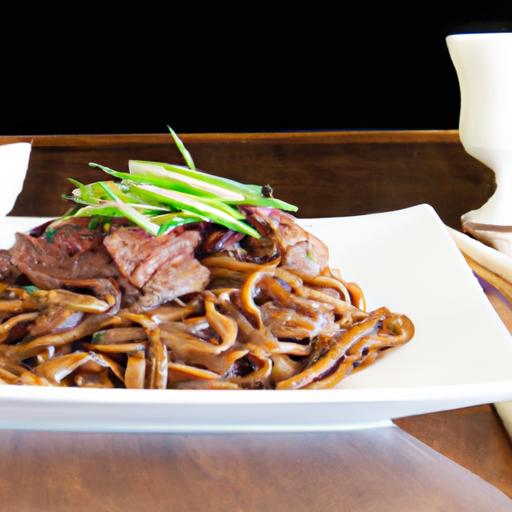



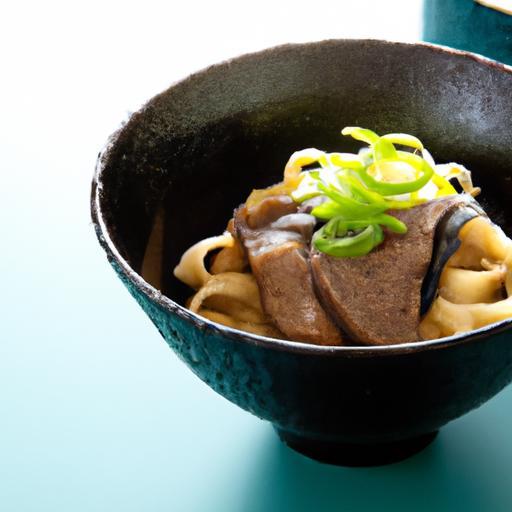

There’s something undeniably comforting about a steaming bowl of beef udon – thick, chewy noodles swimming in rich, savory broth, adorned with tender slices of beef that melt in your mouth. But mastering this Japanese classic at home can feel like an elusive art. Fear not: whether you’re a curious foodie or a seasoned cook, “Savor the Flavor: A Guide to perfect Beef Udon Every Time” will walk you through the secrets to crafting this hearty dish with precision and passion.From selecting the right cuts of beef to balancing the delicate harmony of broth ingredients, get ready to transform simple pantry staples into a soul-warming masterpiece that delights every time.
Savor the Flavor of an exquisitely crafted Beef Udon starts right at the selection of your beef cut. The secret to tender, mouthwatering slices lies in choosing a cut that balances marbling with texture-think ribeye or chuck roast, which become luscious and flavorful when thinly sliced and simmered gently in the broth. These cuts soak up the rich umami notes, transforming every bite into an indulgent experience that comforts and delights.
Prep and Cook Time
- Preparation Time: 20 minutes
- Cooking Time: 45 minutes
- Total Time: 1 hour 5 minutes
Yield
Serves 4 generously
Difficulty Level
Medium – Perfect for those ready to elevate their noodle game and savor complex flavors.
Ingredients
- 300g thinly sliced ribeye or chuck roast beef, trimmed of excess fat
- 400g fresh udon noodles (or dried if fresh unavailable)
- 6 cups dashi broth (homemade or high-quality store-bought)
- 3 tbsp soy sauce (shoyu)
- 2 tbsp mirin
- 1 tbsp sake (optional, for depth)
- 1 tsp sugar
- 5 thinly sliced green onions (white and green parts separated)
- 2 tsp toasted sesame oil
- 1 tbsp grated ginger
- Fresh shiitake mushrooms, sliced (optional, about 100g)
- Chopped fresh cilantro or mitsuba for garnish
- Shichimi togarashi (Japanese seven-spice) for finishing
Instructions
- Prepare the broth: in a large pot, bring the dashi broth to a gentle simmer. Stir in soy sauce, mirin, sake (if using), and sugar until fully dissolved. Taste and adjust balancing with more soy or mirin to achieve a deep umami harmony.
- Sear the beef: Heat the toasted sesame oil in a hot skillet over medium-high heat. Add grated ginger and the white parts of the green onions, sautéing until fragrant (about 1 minute). Add beef slices in a single layer and quickly sear until just browned-do not overcook. Remove beef and set aside.
- Simmer mushrooms (if using): in the same skillet, lightly sauté shiitake mushrooms until tender (3-4 minutes), then add them to the broth.
- Combine beef and broth: Return the seared beef to the pot and let it gently simmer for 10 minutes on low heat, allowing the flavors to meld without toughening the meat.
- Cook noodles: In a separate pot, boil fresh udon noodles according to package instructions (typically 2-3 minutes), stirring occasionally to avoid clumping. drain and rinse briefly under warm water to remove excess starch while preserving texture.
- Assemble bowls: Divide noodles between serving bowls. Pour hot broth and beef slices over the noodles, ensuring even distribution of mushrooms and beef.
- Garnish and serve: Sprinkle the green parts of the green onions,chopped cilantro or mitsuba,and a dash of shichimi togarashi for a subtle heat kick. Serve immediatly for a comforting, richly flavored meal.
Tips for Success
- Beef Cut Variation: If ribeye or chuck is unavailable, opt for brisket or sirloin, but remember to slice thinly against the grain to maintain tenderness.
- Dashi Broth Boost: For a deeper umami profile, add a small piece of kombu (kelp) and a handful of bonito flakes to your homemade broth.
- noodle Care: Avoid overcooking noodles to preserve the signature chewy texture that complements the silky broth.
- Make Ahead: Prepare the broth and beef mixture in advance and store refrigerated for up to 2 days; reheat gently to maintain texture before adding noodles.
- flavor Adjustments: feel free to tailor the sweetness or saltiness by varying mirin and soy sauce ratios according to your palate.
Serving suggestions
Present your Beef Udon in deep ceramic bowls to capture the warmth and visual appeal of the dish. Garnish with finely sliced green onions and fresh herbs to add vibrant color. Accompany your meal with a simple side of pickled ginger or steamed edamame for fresh contrasts. Pair the bowl with customary Japanese condiments like shichimi togarashi or a splash of yuzu kosho for a fragrant citrus-spice hit, inviting diners to customize each spoonful.
| nutrient | Per Serving |
|---|---|
| Calories | 430 kcal |
| Protein | 32 g |
| Carbohydrates | 45 g |
| Fat | 12 g |
For more insights on mastering authentic Japanese broths,visit Just One Cookbook’s dashi guide. Also, explore our related recipe on making fresh udon noodles at home to complete your culinary journey.

Q&A
Q&A: Savor the Flavor – A Guide to Perfect Beef Udon Every Time
Q1: What makes beef udon distinct from other noodle soups?
A1: Beef udon marries the chewy, comforting texture of thick udon noodles with tender, savory slices of beef simmered in a richly flavored broth. This harmonious blend creates a fulfilling dish that’s both hearty and refreshing, setting it apart from lighter or spicier noodle soups.
Q2: Which cuts of beef work best for udon, and why?
A2: Thinly sliced ribeye, sirloin, or brisket shine in beef udon due to their balance of tenderness and flavor. Their marbling ensures the beef stays juicy after simmering, adding depth without overpowering the delicate broth and noodles.
Q3: How do I achieve the perfect broth for beef udon?
A3: The broth is all about balance-a savory mix of dashi (a Japanese stock made from kombu and bonito flakes), soy sauce, mirin, and a touch of sugar creates a subtly sweet umami foundation. Gently simmering the beef in this broth lets the flavors meld, producing a warm and inviting base that coats every noodle strand beautifully.
Q4: Can I prepare udon noodles from scratch, or is store-bought a good option?
A4: while homemade udon noodles bring a delightful chewiness and freshness, good-quality store-bought fresh or frozen udon noodles work wonderfully and save prep time. Just be sure to rinse and briefly boil them according to package instructions to achieve that perfect bouncy texture.
Q5: What garnishes elevate the flavor and presentation of beef udon?
A5: Think beyond basics-thinly sliced scallions add freshness, a sprinkle of shichimi togarashi (Japanese seven-spice) lends a gentle heat, and a soft-boiled egg brings creaminess. Delicate sprigs of mitsuba or a few slivers of pickled ginger brighten the dish visually and flavorful-wise.Q6: Any tips for cooking the beef without toughening it?
A6: Cook beef slices quickly over medium heat to maintain tenderness. Since udon broth simmers gently, it’s best to add the beef near the end just to warm through, avoiding overcooking, which can make the meat chewy.
Q7: How can I customize beef udon for different tastes or seasons?
A7: Customize with seasonal vegetables like shiitake mushrooms,bok choy,or thin carrot ribbons to add texture and nutrients. In colder months, a splash of grated ginger or a dab of spicy miso adds warmth, while spring and summer welcome lighter, crisp toppings like fresh greens or a squeeze of yuzu.
Q8: What makes udon noodles different from other Japanese noodles like soba or ramen?
A8: Udon noodles are thick, soft, and chewy, made from wheat flour with a mild flavor that serves as a perfect canvas for rich broths.Soba, made from buckwheat, offers an earthier taste and thinner shape, while ramen noodles usually contain alkaline water, giving them a springier texture and distinct bite.
Q9: Is beef udon suitable for quick weeknight dinners?
A9: Absolutely! With a few simple steps-using store-bought broth or quick dashi packets, pre-sliced beef, and ready noodles-you can have a bowl of soul-soothing beef udon in under 30 minutes, perfect for satisfying hunger after a long day.
Q10: Any advice on storing and reheating beef udon leftovers?
A10: Store beef, broth, and noodles separately for best texture preservation. When reheating, warm the broth first, then briefly dip the noodles and beef to avoid overcooking. This helps maintain that signature chewy noodle bite and tender beef contrast.
Future Outlook
As you embark on your culinary journey to master beef udon, remember that the magic lies in balancing simplicity with rich, hearty flavors. each slurp brings together tender beef, silky noodles, and a broth steeped in tradition-offering comfort and satisfaction in every bite. With the tips and techniques shared here, you’re now equipped to create a bowl that’s not just a meal, but a festivity of taste. So go ahead, savor the flavor, and let your perfect beef udon become a beloved staple in your kitchen repertoire-deliciously dependable, every single time.