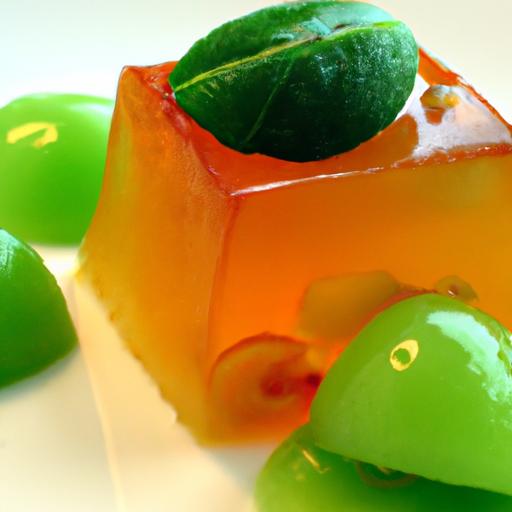


Imagine a tiny burst of sunshine that doesn’t just brighten your mood but transforms every bite on your plate. Gelée cubes-those jewel-like morsels of vibrant flavor-are the newest culinary secret to injecting fresh acidity into your dishes with finesse and flair. More than just a garnish, these colorful cubes offer chefs and home cooks alike the power to elevate meals, balancing richness with a lively tang that awakens the palate. In this article, we’ll explore how gelée cubes can bring brightness, depth, and a playful twist to your cooking, turning ordinary dishes into extraordinary experiences.
gelée cubes are a transformative addition to everyday cooking, effortlessly injecting luminous, tangy notes that awaken the palate and elevate even the simplest dishes. Originating from classic French culinary techniques, these vibrant flavor bursts redefine how we think about acidity in both sweet and savory recipes.I vividly remember experimenting with zesty gelée cubes while crafting complex canapés, instantly realizing their potential to brighten everything from leafy salads to creamy desserts. Let’s unlock this zesty potential together and inspire your kitchen creativity.
prep and Cook Time
Preparation: 15 minutes | Setting time: 2 hours
Yield
Makes approximately 30 gelée cubes (depending on mold size)
Difficulty Level
Easy to Medium – Ideal for home cooks and culinary enthusiasts looking to explore new flavor textures.
Ingredients
- 2 cups fresh citrus juice (lemons, limes, or a mix for a complex zing)
- 1/4 cup granulated sugar (adjust based on sweetness preference)
- 2 teaspoons powdered gelatin (or agar-agar for a vegetarian option)
- 2 tablespoons cold water (for blooming gelatin)
- 1 teaspoon finely grated citrus zest (adds intense aroma and texture)
- Pinch of sea salt (to balance the acidity)
Instructions
- Bloom the gelatin: Sprinkle the powdered gelatin over the cold water in a small bowl. Let it sit for 5 minutes untill it swells and becomes jelly-like.
- Warm the citrus juice: in a small saucepan, gently heat the citrus juice with sugar and sea salt over low heat. Stir continuously until sugar dissolves fully-avoid boiling to preserve fresh flavor.
- Incorporate the gelatin: Remove the heated juice from the stove and whisk in the bloomed gelatin until fully dissolved. Add the finely grated zest and stir gently to distribute.
- Pour and set: Carefully pour the mixture into silicone molds or an ice cube tray to create uniform cubes. Refrigerate for at least 2 hours or until firm and slightly springy to the touch.
- Unmold and store: Once set, gently pop the gelée cubes out of the molds. Arrange on a plate lined with parchment paper if serving promptly, or store in an airtight container in the fridge (see tips below).
tips for Success
- Choosing citrus: Mix lemon and lime juice for a layered acidity; blood orange or grapefruit adds intriguing complexity and colour.
- Gelatin alternatives: Use agar-agar for vegetarian gelée cubes, but note it sets faster and at room temperature; reduce water accordingly and monitor texture closely.
- Avoid bitterness: use only the zest’s brightly colored outer layer; avoid the white pith that can impart unwanted bitterness.
- Make-ahead: Gelée cubes keep well for up to 4 days refrigerated – store them in a tightly sealed container to prevent moisture absorption and aroma loss.
- Flavor boosts: Infuse juice with fresh herbs like basil or mint before heating for an herbal twist that complements zestiness.
Innovative Ways to Incorporate Gelée Cubes into Your Favorite Recipes
These zesty flavor bombs add an unexpected pop wherever acidity is needed-quite literally:
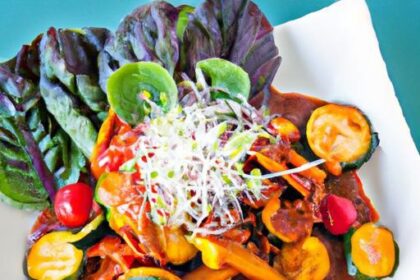
- Salad enhancers: Nestle gelée cubes atop mixed greens or grain bowls to intersperse bursts of tartness with creamy dressing.
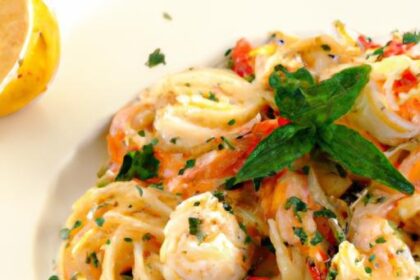
- seafood companions: Place alongside seared scallops or grilled fish for a fresh lift that cuts through richness.
- Cheese boards: Offer gelée cubes as a vibrant alternative to traditional chutneys or jams, harmonizing beautifully with aged cheeses.
- Cocktail accents: Use in place of ice cubes to chill drinks while infusing lively, fresh-acid notes as they melt.
- Dessert boosters: Add atop panna cotta, gelato, or fruit tarts for a glossy, tangy contrast.
Serving Suggestions
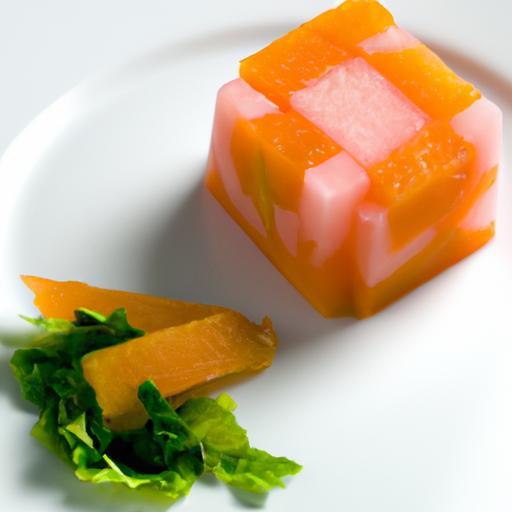
Present gelée cubes on small spoons or a minimalist stone platter framed by edible flowers and fresh herb sprigs such as thyme or mint. For a sophisticated bite, pair them with crisp toasted crostini smeared with ricotta and a drizzle of honey. Visual appeal is key-these cubes shine best when their translucent hue catches ambient light, enhancing any dish with hints of sunlit citrus.

| Nutrient | Per Cube (Approx.) |
|---|---|
| calories | 8 kcal |
| Protein | 0.5 g |
| Carbohydrates | 2 g |
| Fat | 0 g |
Ready to delve deeper into fresh acidity and creative flavor layering? Explore more delightful citrus dishes in our Bright Citrus Recipes Collection and get inspired! For a scientific look at citrus flavor profiles, check out this insightful food chemistry study on citrus acids.
Q&A
Q&A: Gelée Cubes – Brighten Your dishes with Fresh Acidity
Q1: What exactly are gelée cubes?
A1: Gelée cubes are small,jewel-like blocks of flavored gelatin that encapsulate bright,fresh acidity. They’re made by setting a tangy liquid-like citrus juice, vinegar-based shrubs, or herbal infusions-with a gelling agent such as agar-agar or gelatin. These cubes add a burst of vibrant flavor and a playful texture to savory dishes, desserts, and cocktails.Q2: How can gelée cubes enhance the flavor of a dish?
A2: Gelée cubes act like concentrated flavor bombs, delivering a clean, sharp acidity that can cut through richness and balance complex flavors. They add brightness and a surprising texture contrast, elevating everything from creamy dishes and salads to grilled vegetables and seafood.Q3: Which acidic ingredients work best for making gelée cubes?
A3: citrus juices like lemon,lime,or yuzu bring refreshing brightness. Tart fruit juices such as green apple or cranberry offer a subtle sweet-tart profile. Vinegars-apple cider,sherry,or rice vinegar-can be sweetened lightly and paired with herbs or spices for nuanced acidity. Even fermented shrub syrups create multilayered, tangy gelée cubes.
Q4: Can gelée cubes be used in both sweet and savory preparations?
A4: Absolutely! Their versatility is part of the fun. Try tangy lemon gelée cubes alongside a cheesecake for a bright pop, or scatter lime gelée cubes over a spicy shrimp ceviche to balance heat with acidity. They’re equally at home dusted with herbs and nestled into fresh salads or sprinkled over roasted root vegetables.
Q5: What is the best way to serve gelée cubes to maximize their impact?
A5: Presentation is key! Serve gelée cubes chilled and as a finishing touch right before serving, so they retain their shape and texture. Use them sparingly as vibrant garnish bites, or arrange a small pile for guests to mix in. Their shimmering appearance makes plates visually exciting, too!
Q6: Are gelée cubes difficult to make at home?
A6: not at all! With minimal ingredients and some patience, anyone can make gelée cubes at home. Simply combine your chosen acidic liquid with a gelling agent, heat gently, pour into molds, and chill until set. The key is balance-ensure the acidity shines without overpowering, and texture is firm but wobbly.
Q7: How do gelée cubes compare to traditional sauces or dressings?
A7: Unlike drip-prone sauces, gelée cubes provide bursts of flavor that players can control with each bite. They transform the eating experience by adding both acidity and interesting mouthfeel. Where sauces meld into the background, gelée cubes invite interaction and surprise.
Q8: Can gelée cubes be flavored with herbs or spices?
A8: Definitely! Incorporate fresh herbs like mint, basil, or thyme for aromatic layers, or infuse spices such as ginger, star anise, or black pepper during the heating process. This elevates the flavor complexity and makes each cube a tiny work of culinary art.
Q9: What dishes pair especially well with gelée cubes?
A9: Think fresh salads with crisp greens, creamy cheeses like chèvre or ricotta, grilled vegetables, seafood dishes like scallops or ceviche, and even vibrant desserts like panna cotta or sorbets. The acidity wakes up the palate, acting as a bridge between flavors and textures.
Q10: How should gelée cubes be stored?
A10: Store them in an airtight container in the refrigerator, ideally on parchment paper to prevent sticking. They are best consumed within 3-5 days for freshness and optimum texture.
Gelée cubes are a playful and elegant way to brighten your culinary creations with fresh acidity-injecting flavor, texture, and visual appeal in every bite. give them a try and watch your dishes sparkle with zesty delight!
Key Takeaways
Whether tossed into a vibrant salad, nestled atop a savory dish, or melting slowly in a chilled beverage, gelée cubes bring a burst of fresh acidity that awakens the palate and brightens every bite. These playful, jewel-like morsels are more than just a garnish-they’re a dynamic way to elevate your culinary creations with a pop of tangy zest. So next time you want to add a refreshing twist and a splash of color to your meals, let gelée cubes be your secret ingredient for that perfect balance of flavor and flair.