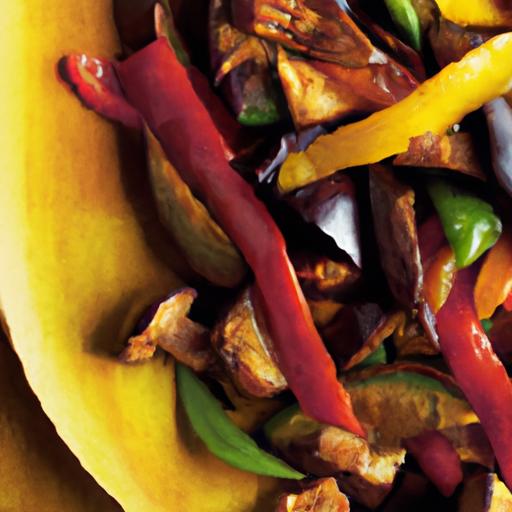




In the sun-drenched kitchens of Sicily, where tradition dances wiht bold flavors, a humble vegetable transcends its everyday identity to become a symphony of taste: the eggplant. Welcome to the world of Sicilian Caponata, a sweet adn sour delight that captures the island’s vibrant spirit in every bite. This iconic dish, with its harmonious blend of tangy vinegar, rich tomatoes, crunchy celery, and a hint of sweetness, tells a story of cultural crossroads and culinary creativity. More than just a salad or side, Caponata is an edible tapestry of history, where each ingredient’s character shines while coming together in perfect balance-inviting you to savor Sicily’s heart and soul on your plate.
Origins and Cultural Importance of Sicilian Caponata: Mastering the Perfect Balance of Sweet and Sour Flavors
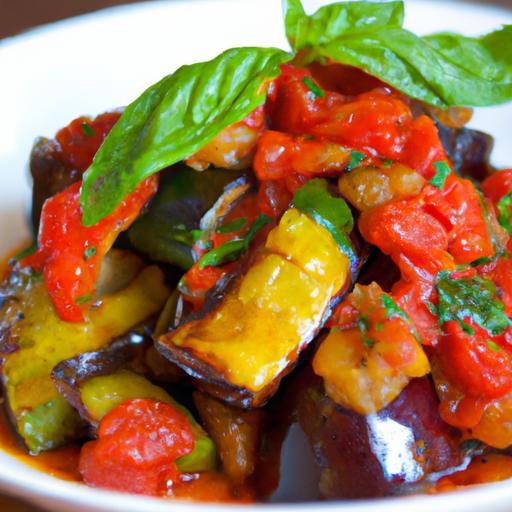
Sicilian Caponata: the Sweet & Sour Eggplant Delight is a timeless dish, rooted deep in the heart of Sicily’s vibrant culinary heritage.This beloved vegetable medley showcases the island’s mastery of contrasting flavors-where luscious eggplant meets a tantalizing dance of sweet and sour that awakens your palate.Historically, caponata reflects Sicily’s rich tapestry of influences-Arab, Spanish, and Mediterranean-melding to create a recipe that’s both humble and luxurious. The dish was traditionally a peasant favorite, designed to celebrate the bounty of summer vegetables while preserving fresh produce using vinegar and sugar. This balance between tartness and sweetness embodies the emotional soul of Sicilian cooking.
Prep and cook Time
- Preparation: 20 minutes
- Cooking: 35 minutes
- Total: 55 minutes
Yield
Serves 6 as an appetizer or side dish
Difficulty Level
Medium – Requires attention to detail to balance flavors perfectly
Choosing the Best Ingredients for Authentic Eggplant Caponata
For an authentic Sicilian caponata experience, ingredient quality is paramount. Start with firm, glossy eggplants-small to medium size works best to avoid bitterness. Use ripe, flavorful tomatoes, preferably plum or san marzano, to enrich the sauce with natural sweetness and acidity. Capers and green olives add a briny punch, while freshly chopped celery and red onions provide crunch and depth. Don’t skimp on the vinegar-a good-quality Malt or red wine vinegar lends the iconic tanginess, while caster sugar balances it with gentle sweetness. Using fresh herbs like basil or parsley enhances aroma and freshness. Avoid watery or overly large eggplants,as texture is crucial to caponata’s mouthfeel.
Ingredients
- 3 medium eggplants (about 2 lbs), diced into 1-inch cubes
- 1 large red onion, thinly sliced
- 3 celery stalks, chopped
- 1 cup green olives, pitted and halved
- 2 tbsp capers, rinsed
- 4 ripe plum tomatoes, chopped
- 1/2 cup red wine vinegar
- 3 tbsp caster sugar
- 1/4 cup extra virgin olive oil
- Fresh basil leaves for garnish
- Salt and freshly ground black pepper to taste
Instructions
- Prepare the eggplants: Scatter diced eggplant on a large colander, season with salt, and let sit for 30 minutes to draw out bitterness. Rinse under cold water and pat dry thoroughly with kitchen towels.
- Sauté the eggplant: Heat 2 tbsp olive oil in a large skillet over medium heat. Add eggplants and sauté until golden and tender, about 8-10 minutes, stirring frequently to avoid sticking. Transfer to a paper towel-lined plate.
- Cook aromatics: In the same pan, add remaining olive oil. Sauté red onions and celery for 5 minutes until softened and translucent.
- Add olives, capers, and tomatoes: Stir in olives, capers, and fresh tomatoes. Cook on low heat for 10 minutes, allowing flavors to meld and the tomatoes to break down.
- Create the sweet and sour glaze: In a small bowl,whisk red wine vinegar with caster sugar until sugar dissolves completely. Pour this mixture into the pan and stir gently.
- Combine and simmer: Return sautéed eggplant to the skillet. Mix everything together carefully to avoid mashing.Simmer over low heat for an additional 10 minutes, stirring occasionally until caponata thickens slightly.
- Adjust seasoning and cool: Season with salt and pepper to taste. Remove from heat and let caponata cool to room temperature; flavors deepen substantially when rested.
- Garnish and serve: Before serving, sprinkle with fresh basil leaves. Enjoy warm or chilled.
Chef’s Notes and Tips for Success
- Eggplant texture tip: Salting and draining is key to prevent soggy caponata and reduce bitterness.
- Vinegar selection: Malt vinegar creates a richer tang, but red wine vinegar works beautifully as well.
- Make ahead: Caponata tastes even better the next day as the flavors marry-store in an airtight container in the fridge for up to 3 days.
- Variations: For added crunch, consider lightly toasted pine nuts or chopped almonds.
- Serving Suggestions: Serve as an antipasto alongside crusty bread or as a topping for grilled fish. It also pairs beautifully with roasted meats or creamy polenta.
Serving Suggestions
Present your Sicilian caponata in a rustic ceramic bowl to highlight its vibrant colors. Garnish generously with fresh basil and a light drizzle of extra virgin olive oil for a glossy,inviting finish. Pair it with warm focaccia or grilled sourdough to soak up the luscious sauce. this dish also shines when served chilled on crostini at summer gatherings, offering a refreshing bite that embodies Sicilian sunshine.

Nutritional information
| Nutrient | Amount per Serving |
|---|---|
| Calories | 150 kcal |
| Protein | 3 g |
| Carbohydrates | 20 g |
| Fat | 7 g |
| Fiber | 6 g |
For a deeper dive into traditional Mediterranean flavors, check out our Mediterranean diet recipe collection.Learn more about the interesting history of Sicilian cuisine on Encyclopedia Britannica.
Q&A
Q&A: Sicilian Caponata – The Sweet & Sour Eggplant Delight
Q1: What exactly is Sicilian Caponata?
A1: Sicilian Caponata is a vibrant, tangy vegetable dish hailing from the sunny island of Sicily. At its heart, it features tender eggplant cubes mingling with a medley of tomatoes, celery, olives, and capers, all simmered to sweet-and-sour perfection. Think of it as Sicily’s flavorful answer to a vegetable symphony-where each ingredient plays a distinct role in harmony.
Q2: Why is Caponata considered a sweet and sour dish?
A2: The magic lies in its balance. Traditional Caponata combines the natural sweetness of sautéed eggplants and ripe tomatoes with the tart zing of vinegar-often red wine or balsamic-and a touch of sugar. This contrast creates a luscious dance of flavors that’s both refreshing and deeply comforting.
Q3: What makes Sicilian Caponata different from other eggplant dishes?
A3: Unlike simple roasted eggplant or stews, Caponata is a nuanced blend of textures and tastes. It’s cooked slowly to absorb its dressing, boasts a sharp tang from vinegar, and is enriched by the briny bite of capers and green olives. This combination delivers complexity that’s uniquely Sicilian.
Q4: How is Caponata traditionally served in Sicily?
A4: Caponata is wonderfully versatile! In sicily, it’s often enjoyed cold or at room temperature, making it a popular antipasto (starter). It pairs beautifully with crusty bread,fresh ricotta,or as a condiment alongside grilled fish or roasted meats. Some even spread it on bruschetta for a quick burst of flavor.
Q5: Can I make Caponata any time of the year?
A5: Absolutely! while Caponata shines brightest in late summer when eggplants and tomatoes are at their peak, you can recreate its magic year-round using fresh or even frozen ingredients. Just remember, the slow cooking and balance of sweet and sour elements are key to capturing that authentic taste.
Q6: are there any variations of Caponata to explore?
A6: Definitely! While eggplant is the star, some recipes include bell peppers, pine nuts, raisins, or even fennel for added layers of flavor and texture.Regional tweaks abound, reflecting Sicily’s rich culinary tapestry-each version telling its own flavorful story.
Q7: Is Sicilian Caponata healthy?
A7: Yes! Packed with vegetables, Caponata is rich in fiber, antioxidants, and essential nutrients. It’s a plant-based dish that fits beautifully into Mediterranean diets, offering flavor without heaviness. Just watch the oil and sugar quantities if you’re tailoring it for specific dietary needs.
Q8: What’s a simple tip for making the best Caponata at home?
A8: Patience is your best friend. Let the eggplants sweat before cooking to reduce bitterness and soak up less oil. Then, simmer the mixture gently to let the flavors marry fully. rest the Caponata for a few hours or overnight-the flavors deepen and sing!
Q9: Can Caponata be a main course?
A9: While traditionally a side or appetizer, don’t hesitate to serve Caponata as a light main-topped with toasted pine nuts or paired with protein-rich ricotta or grilled halloumi. It’s hearty and flavorful enough to stand proudly on its own.
Q10: Where can I taste authentic Sicilian Caponata?
A10: The best place is, of course, Sicily itself! From bustling Palermo markets to quaint coastal trattorias, you’ll find Caponata served with pride.If travel isn’t on your agenda, seek out Sicilian restaurants or Mediterranean bistros known for authentic and home-style preparations.
Dive into the tangy, sweet, soulful world of Sicilian Caponata and let this eggplant delight transport your taste buds straight to the heart of the Mediterranean!
Concluding remarks
In the vibrant tapestry of Sicilian cuisine, Caponata stands out as a dish that tells a story with every bite-a harmonious blend of sweet and sour, earthy eggplant and tangy tomatoes, caramelized onions, and a whisper of olives and capers. More than just a recipe, it’s a festivity of the island’s rich history and the diverse cultures that have shaped its flavors. Whether served as a rustic appetizer,a side dish,or a light main course,Sicilian Caponata invites you to savor the complexity of simplicity. So next time you crave something truly authentic and utterly enchanting, let this sweet and sour eggplant delight transport your palate straight to the sun-drenched shores of Sicily. Buon appetito!